Carnaval - Part 2 - T’ikapallana
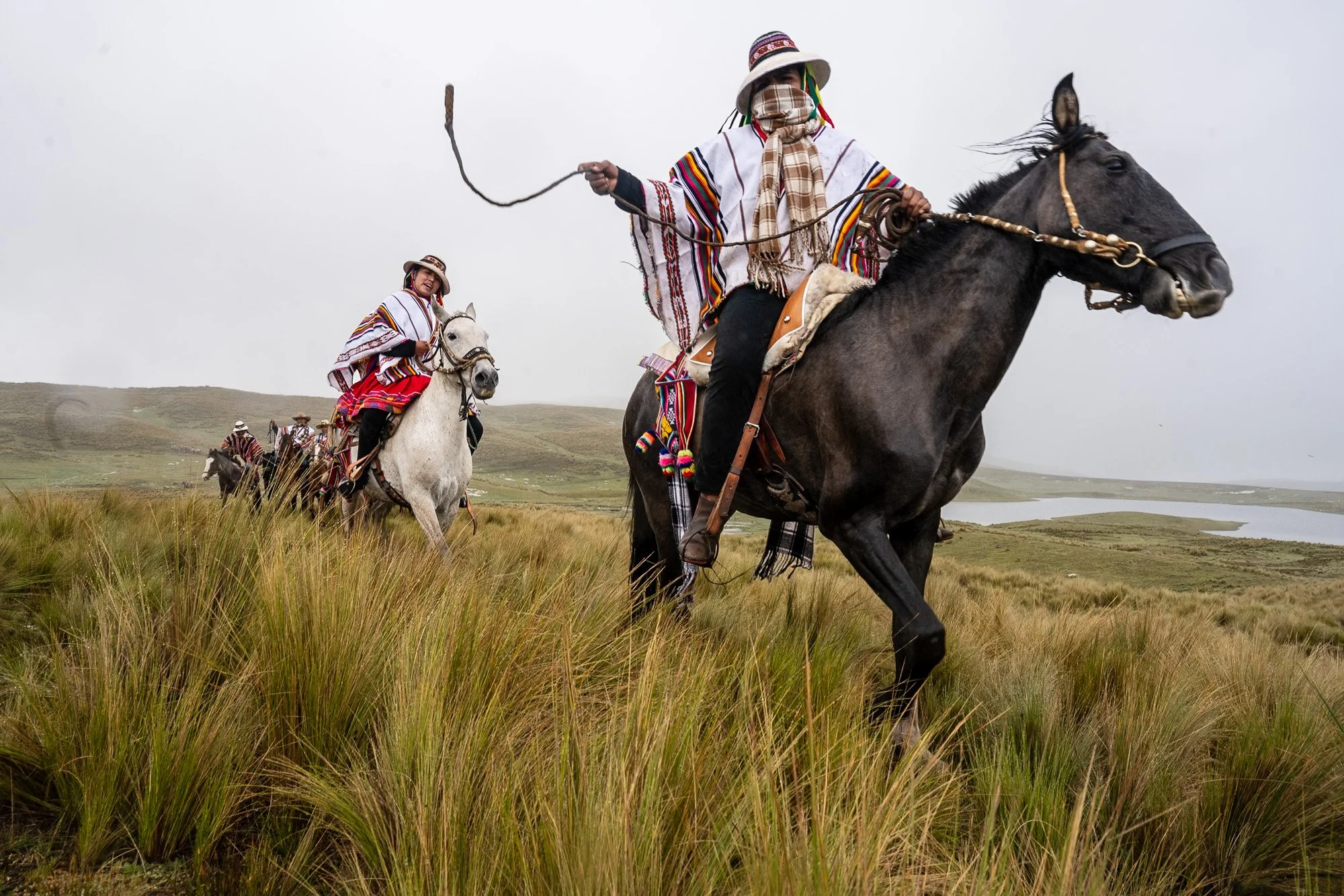
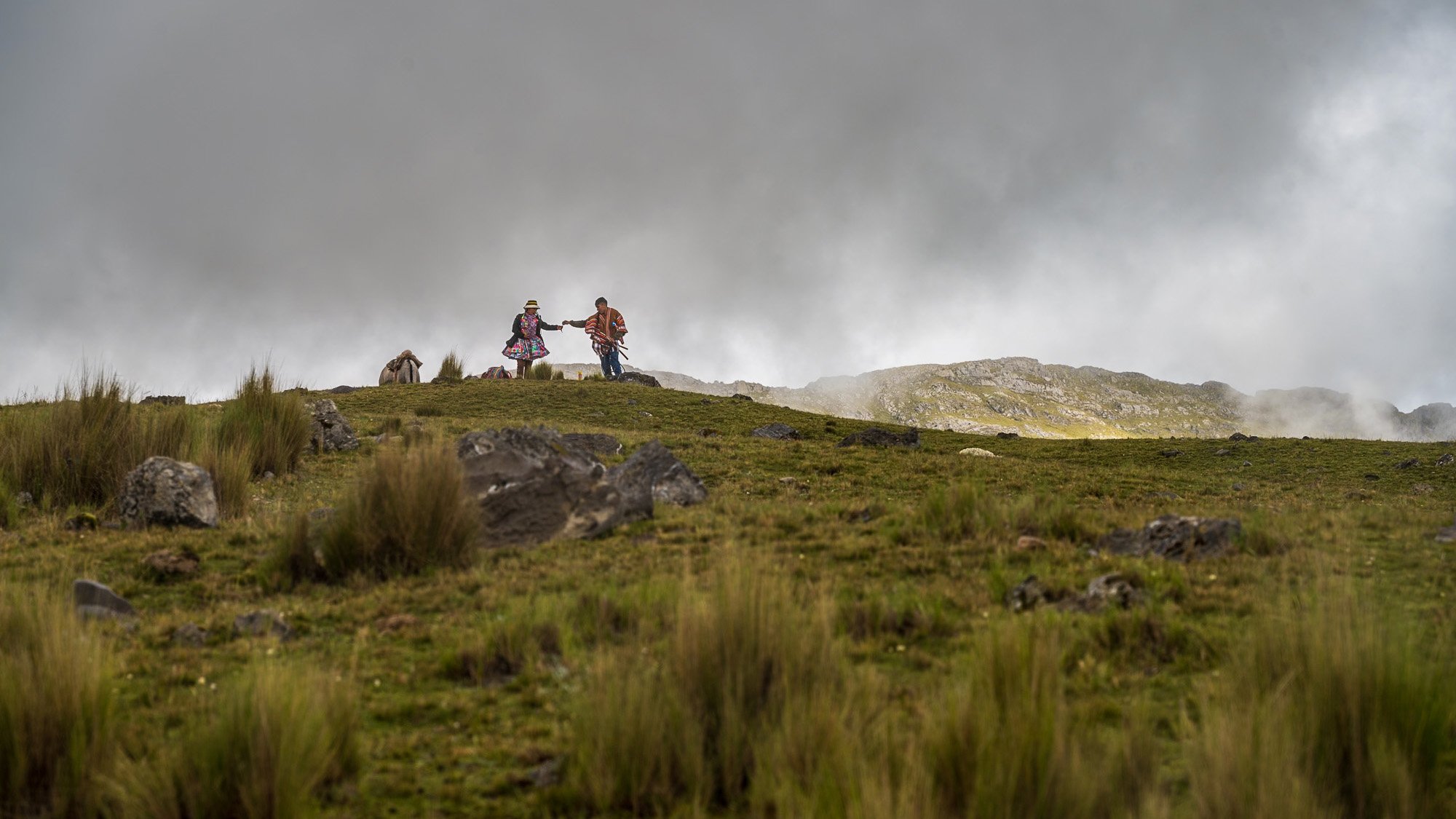
Riders making their way to Mama Porotopampa for the celebration of T’ikapallana.
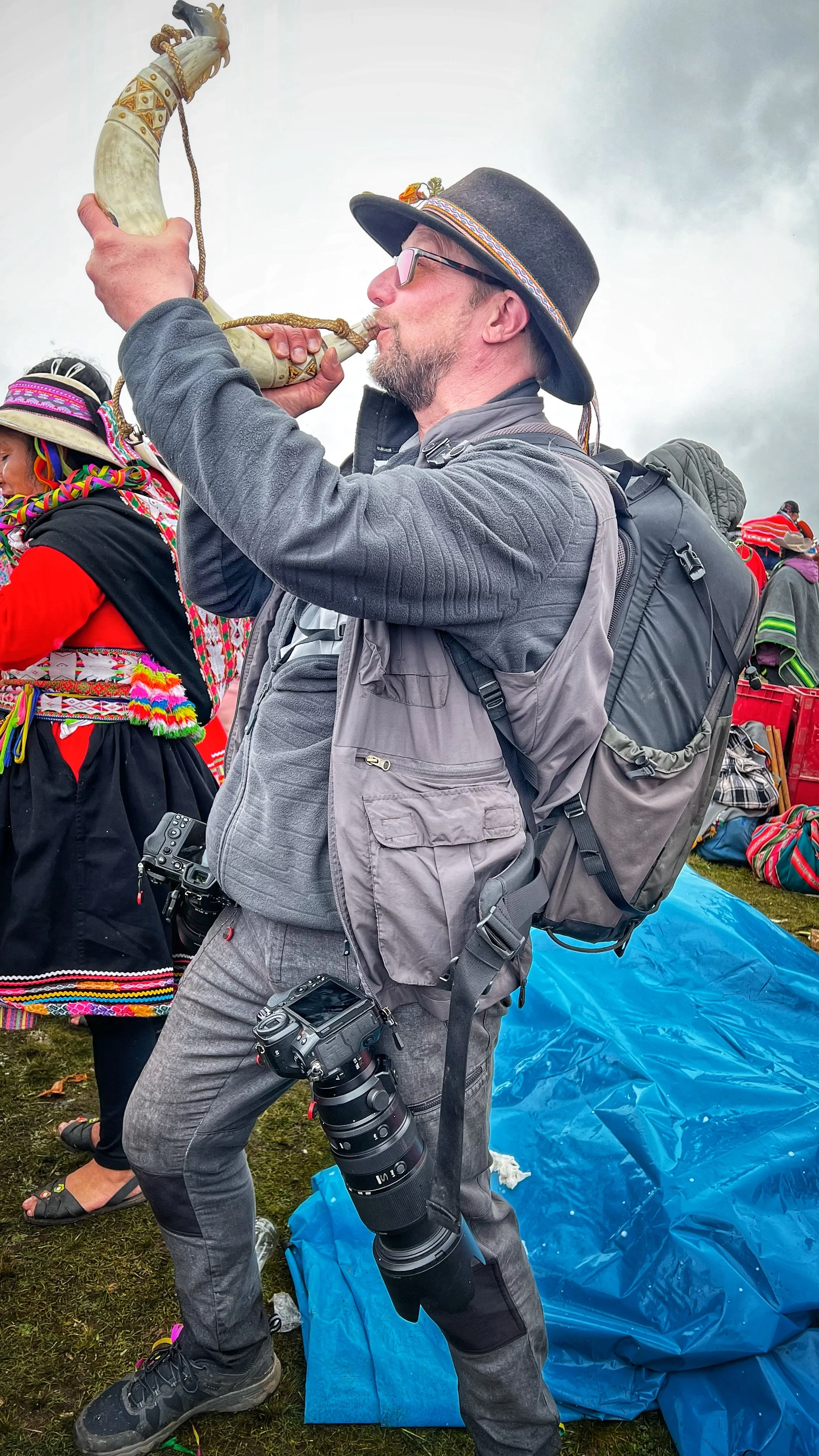
After my time in Candelaria, I made my way to Cotabambas in the Apurimac department to join in the beautiful and unique celebration of T’ikapallana. This event is truly special to the region, and I've had the pleasure of attending before. I decided to go back, not just to gather some additional photos for my project, but also because it’s one of my absolute favorite celebrations in the Andes. I wanted to experience it once more before wrapping up this project.
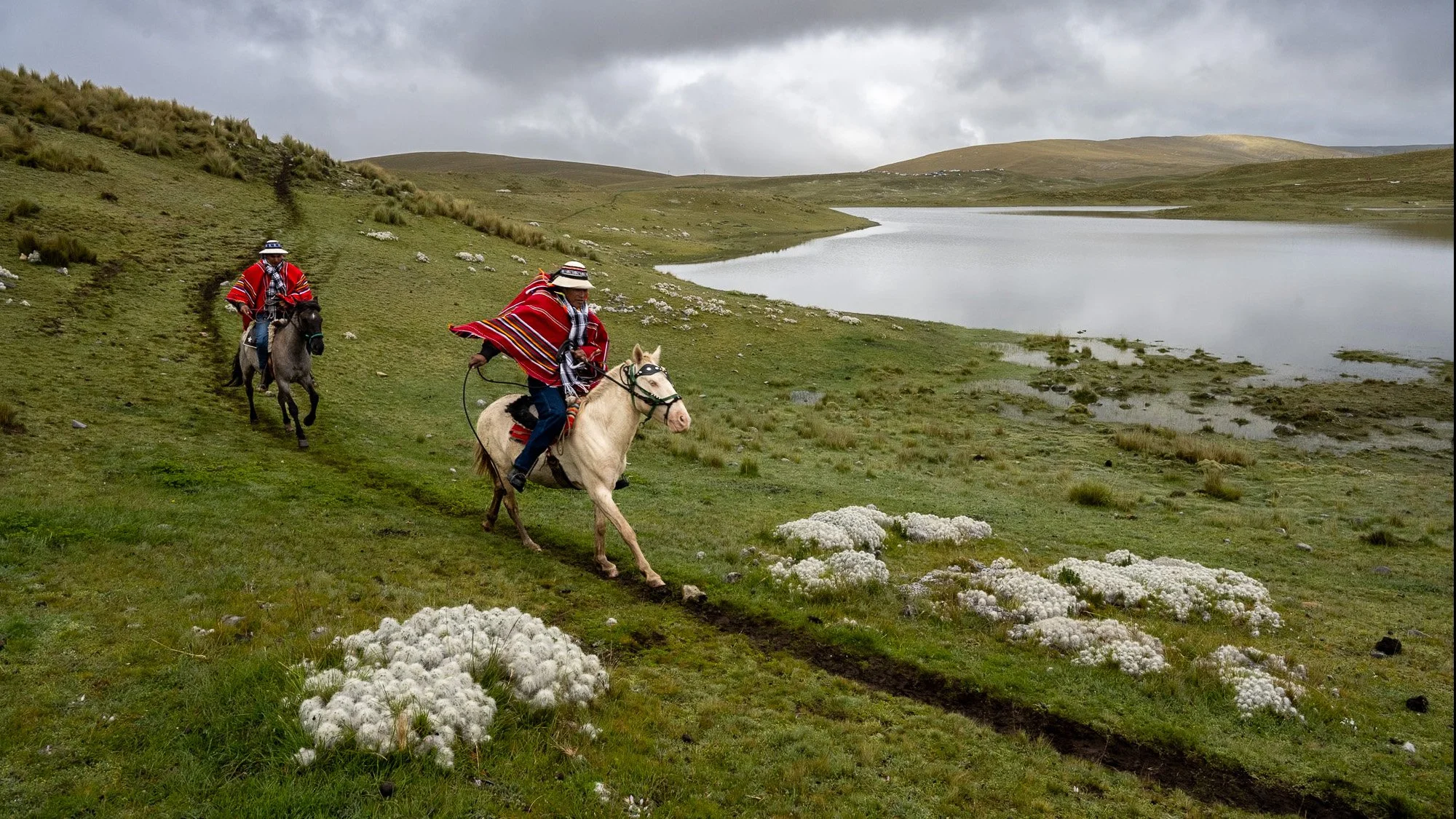
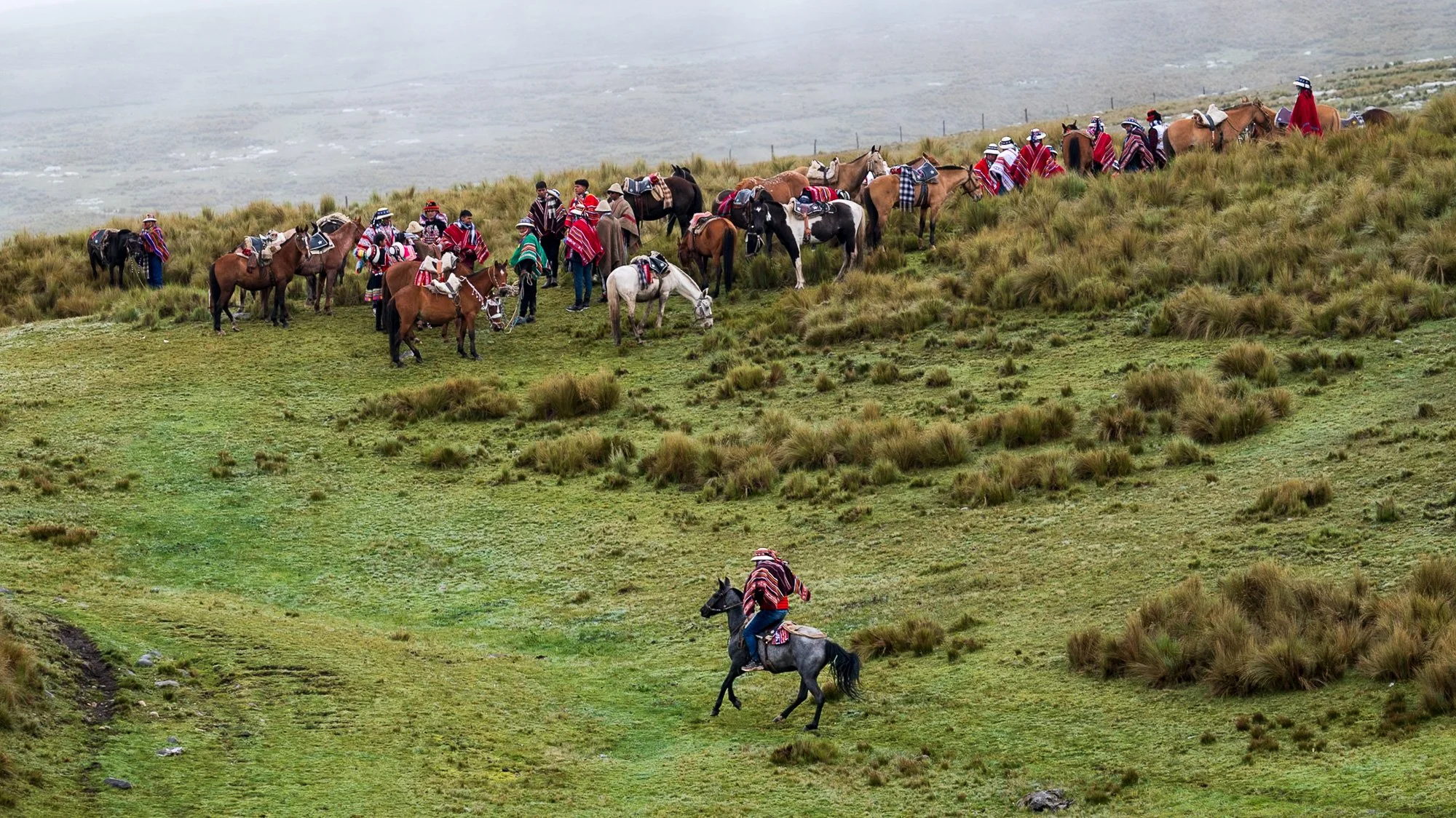
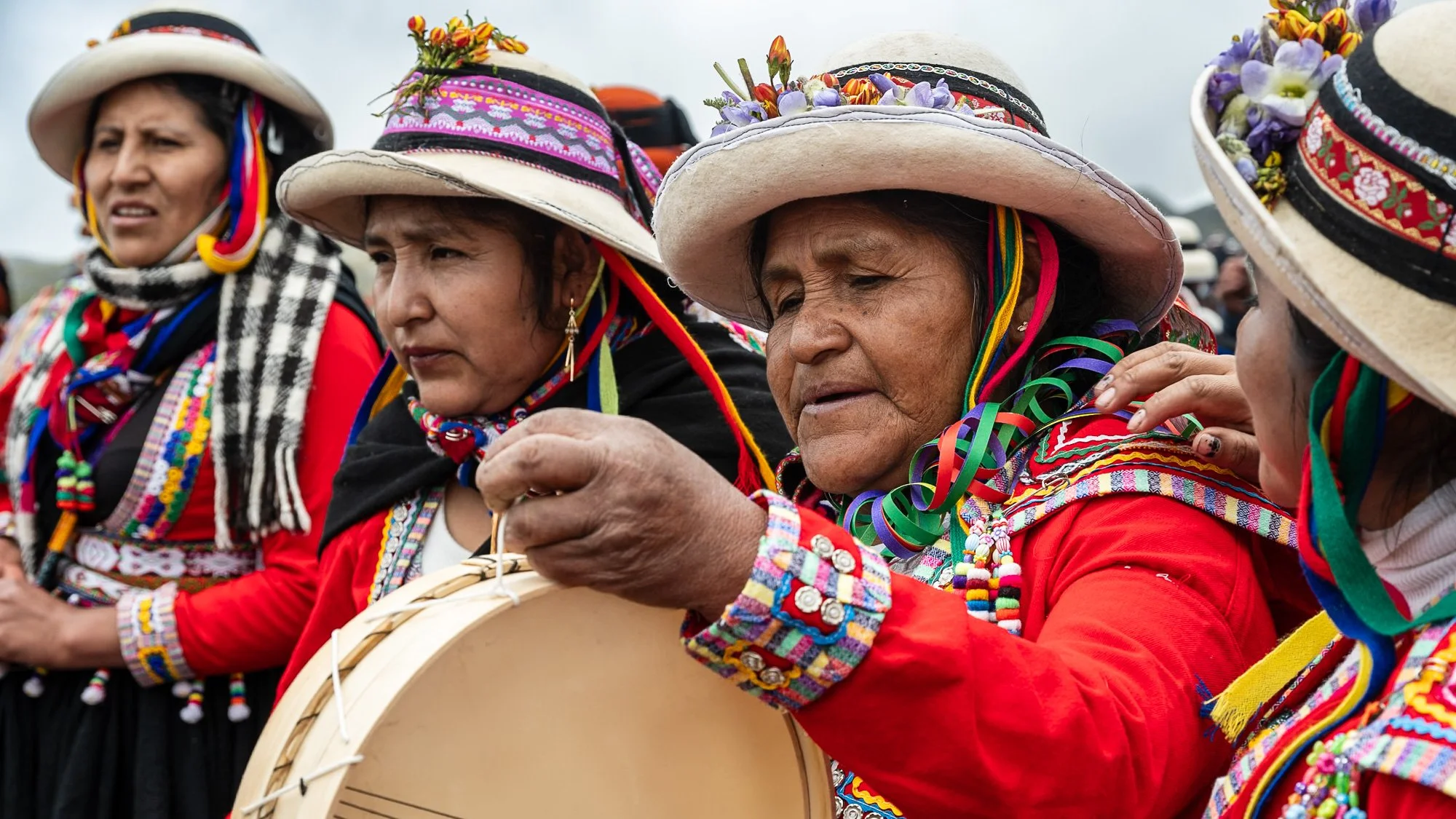
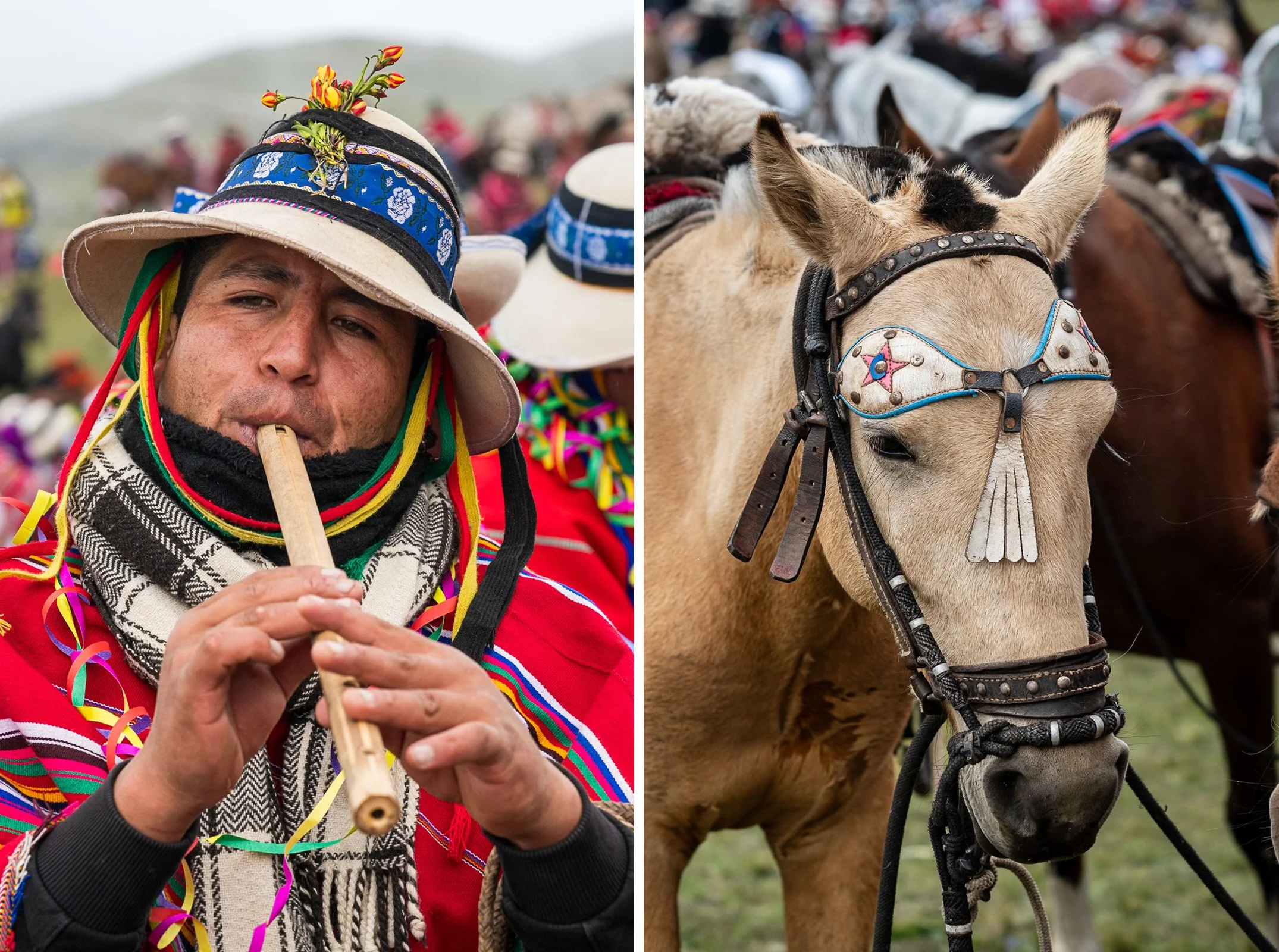
T’ikapallana – that’s pronounced Tee-ka-pah-yah-nah – translates to gathering or picking flowers. Specifically, it refers to the surphuy and waqanqi flowers that bloom beautifully this time of year on the high-altitude plains. During the celebration, these flowers are picked and placed in the hats of single men and women (everyone appears to be single on this day though), creating an atmosphere of courtship.
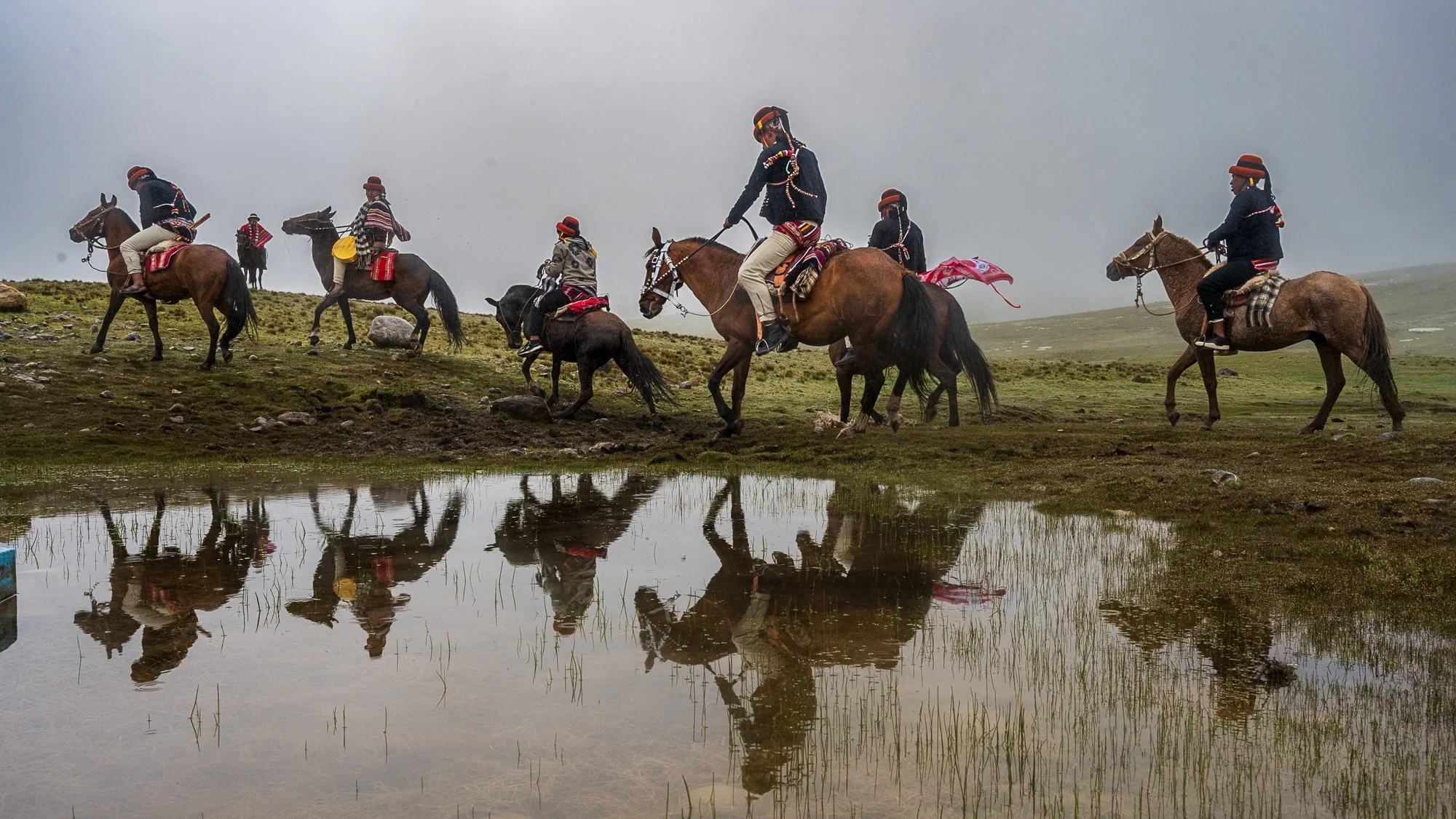
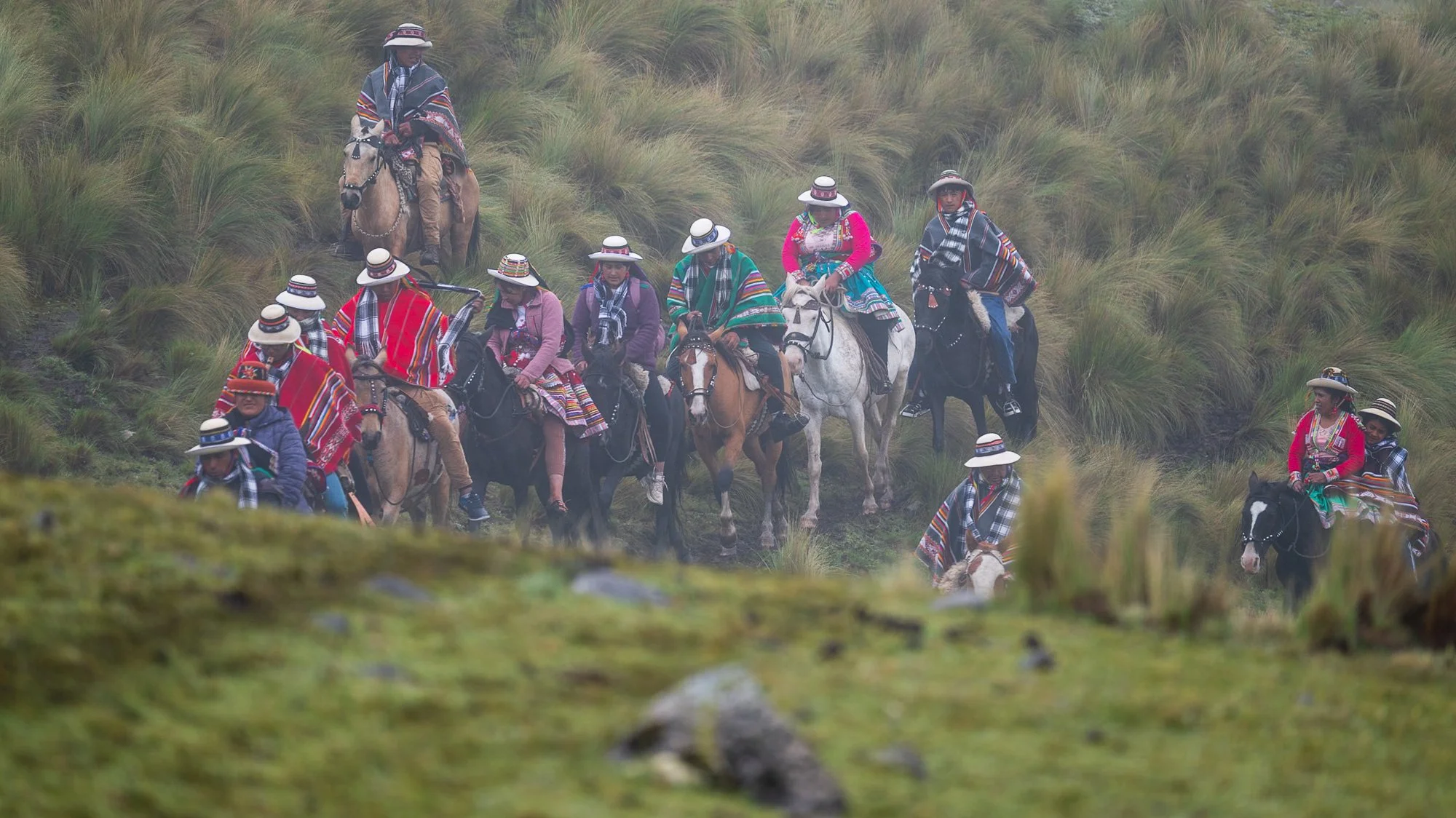
It’s also a time to express gratitude to Pachamama, or Mother Earth, for the bountiful harvests and the blessing of herds of animals. The whole event is meant to bring the community together, strengthening ties and celebrating life and agriculture.
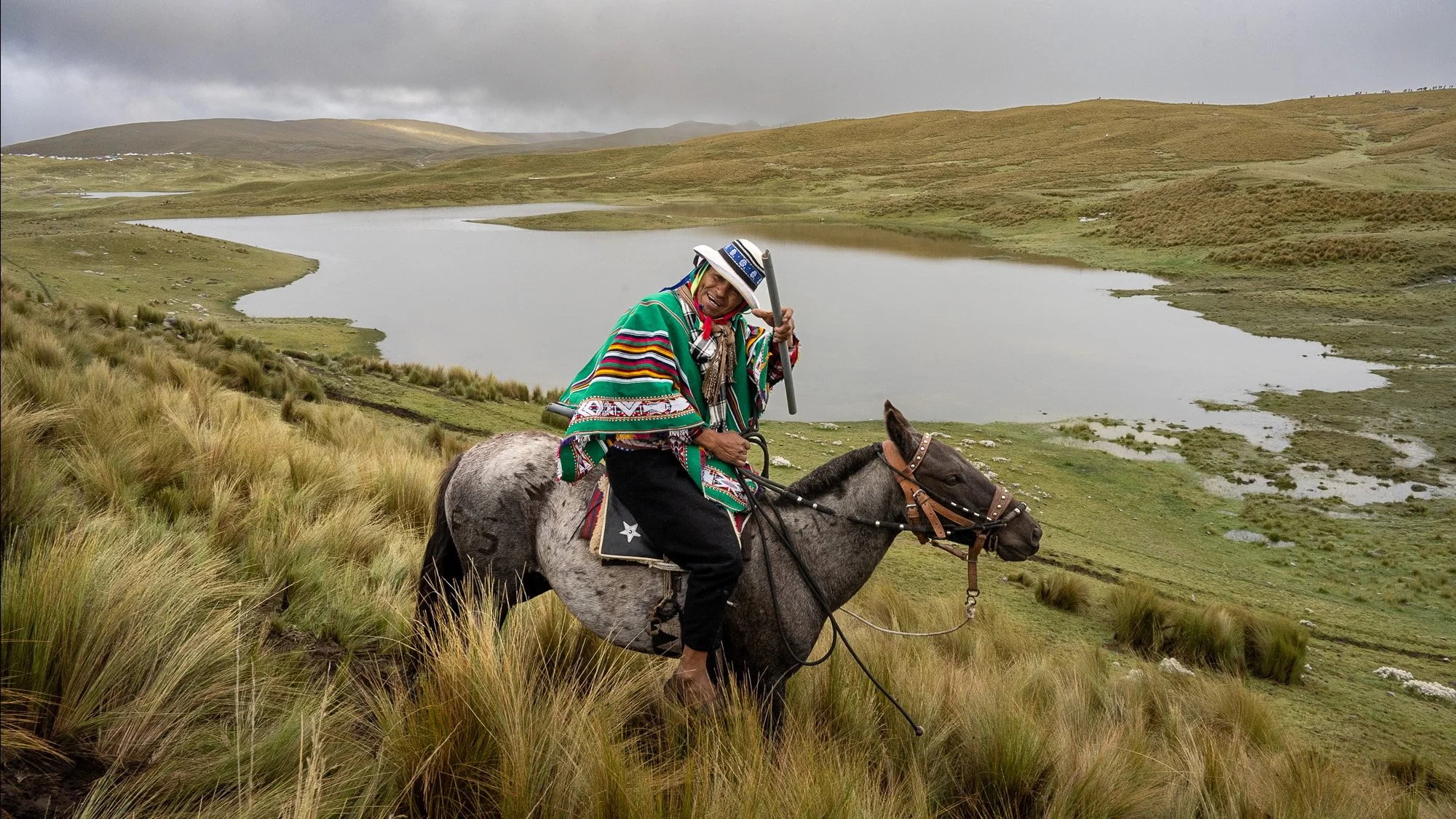
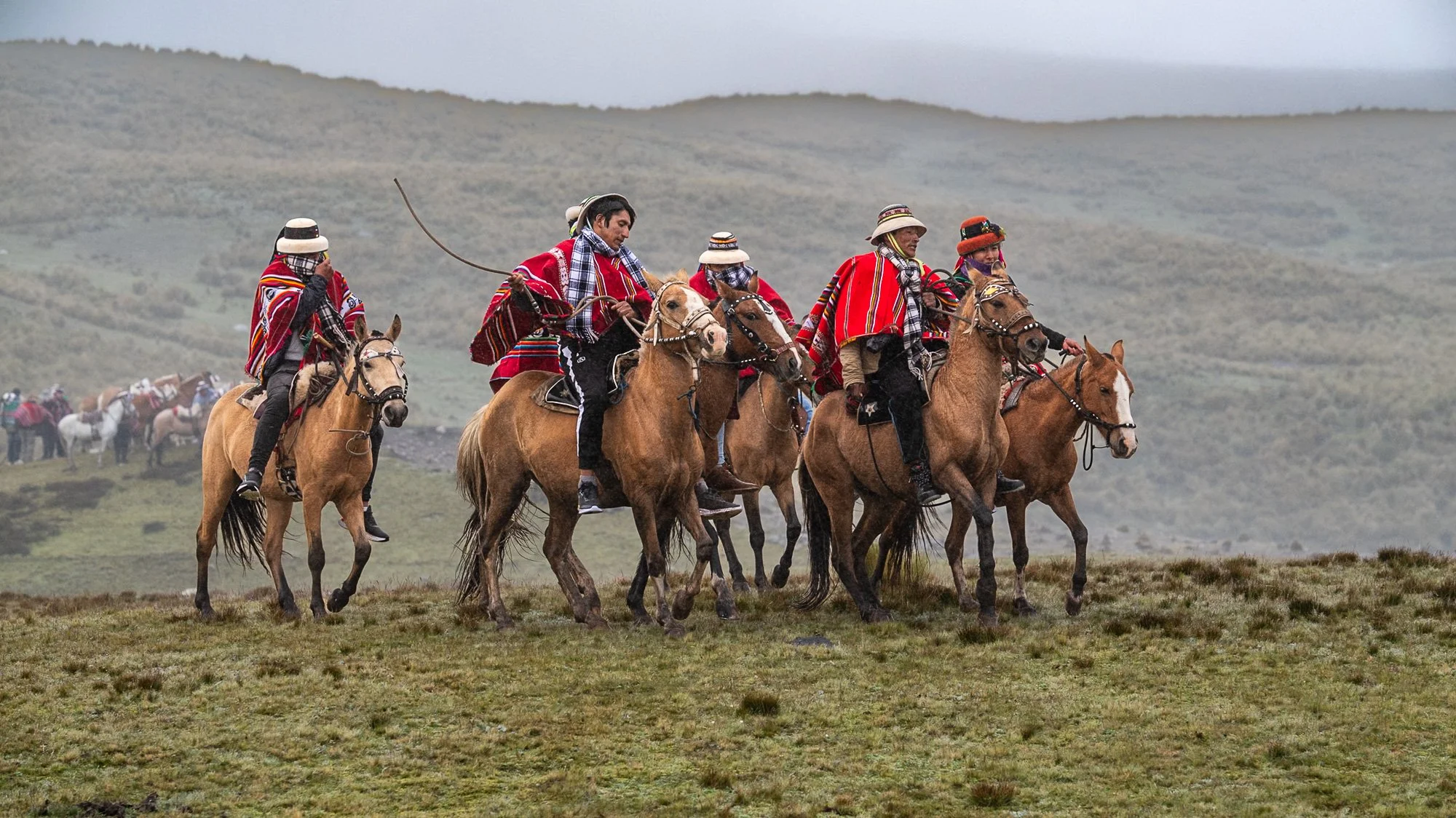
The festivities get started very early as riders set out from the Tambobamba community and beyond. Some begin their journey as early as 3 AM, making their way to Mama Porotopampa on the scenic high plains, stopping to sing and drink to keep the spirit high along the way.
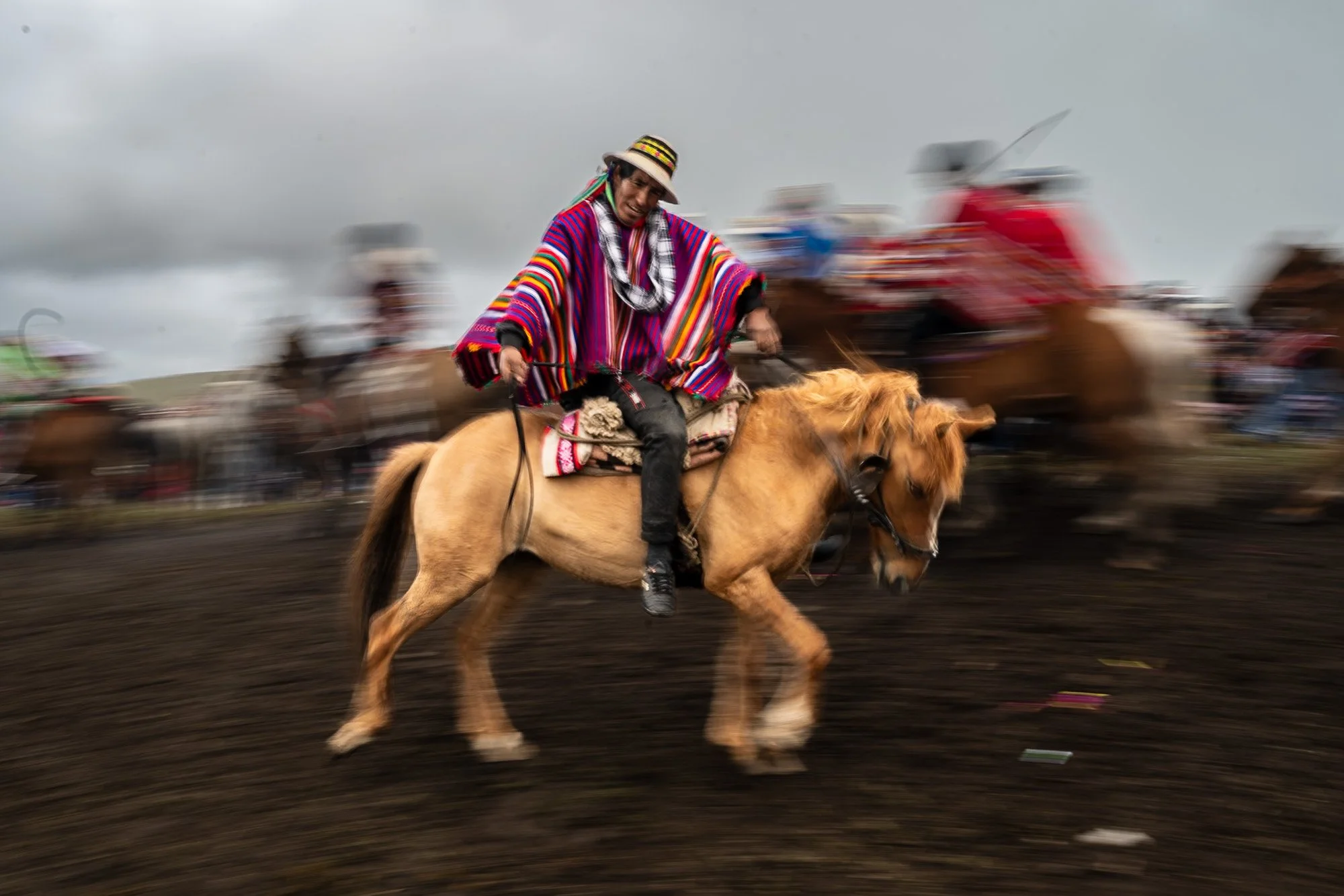
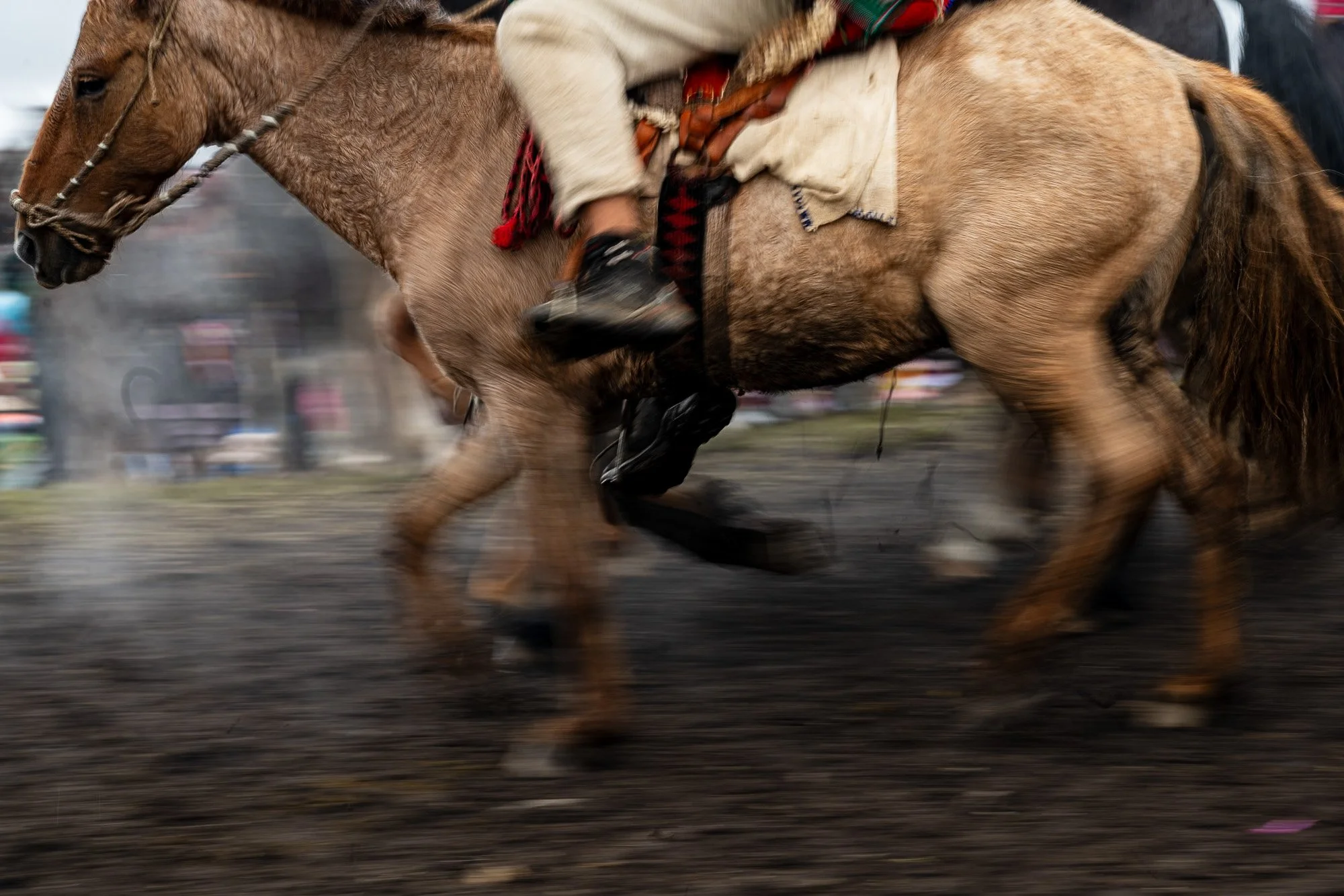
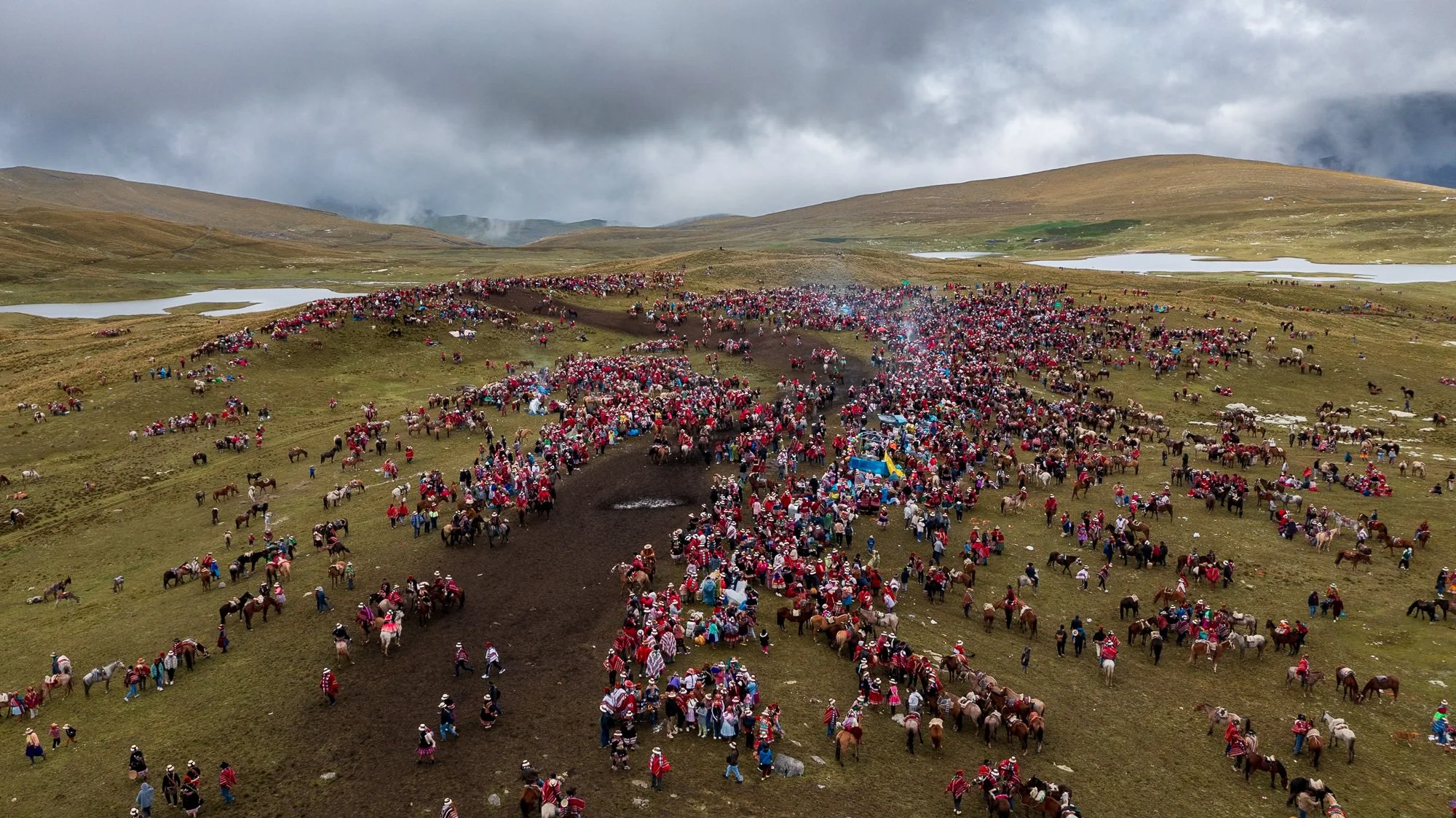
As dawn breaks, people start arriving at Mama Porotampa, whether on horseback or on foot, and the celebrations get underway. There’s a vibrant parade of horses, beautifully adorned with colorful decorations, while joyful songs fill the air.
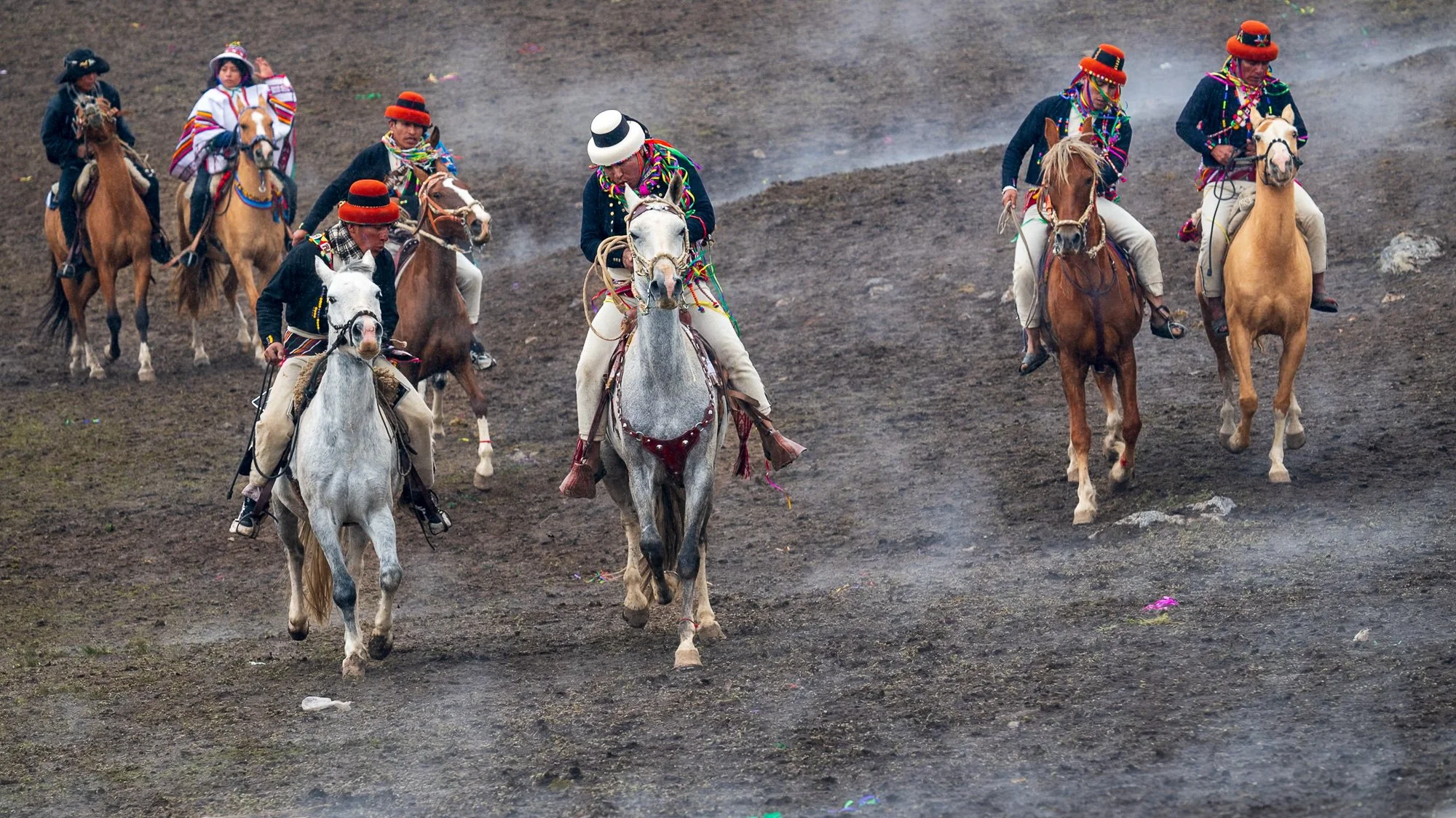
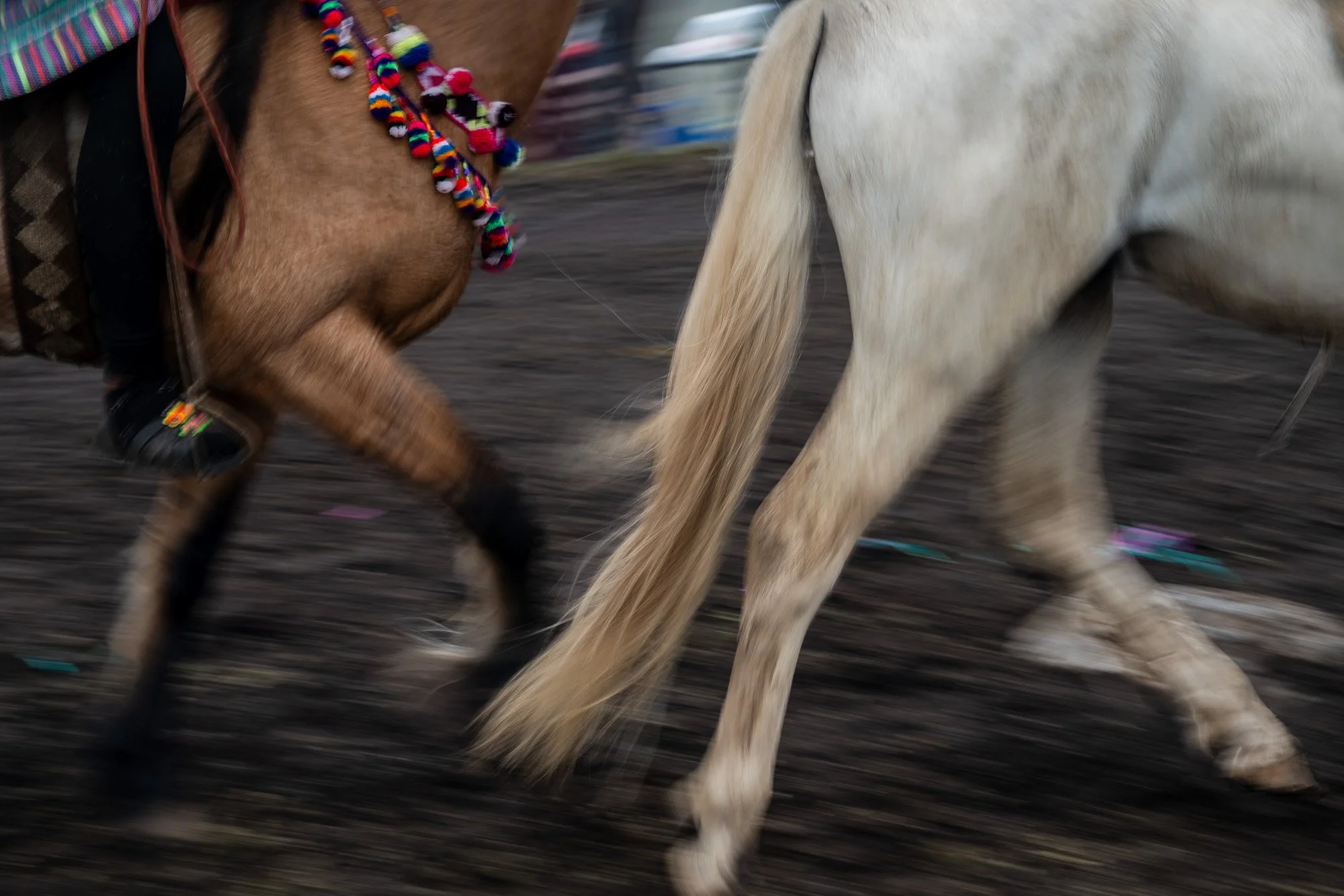
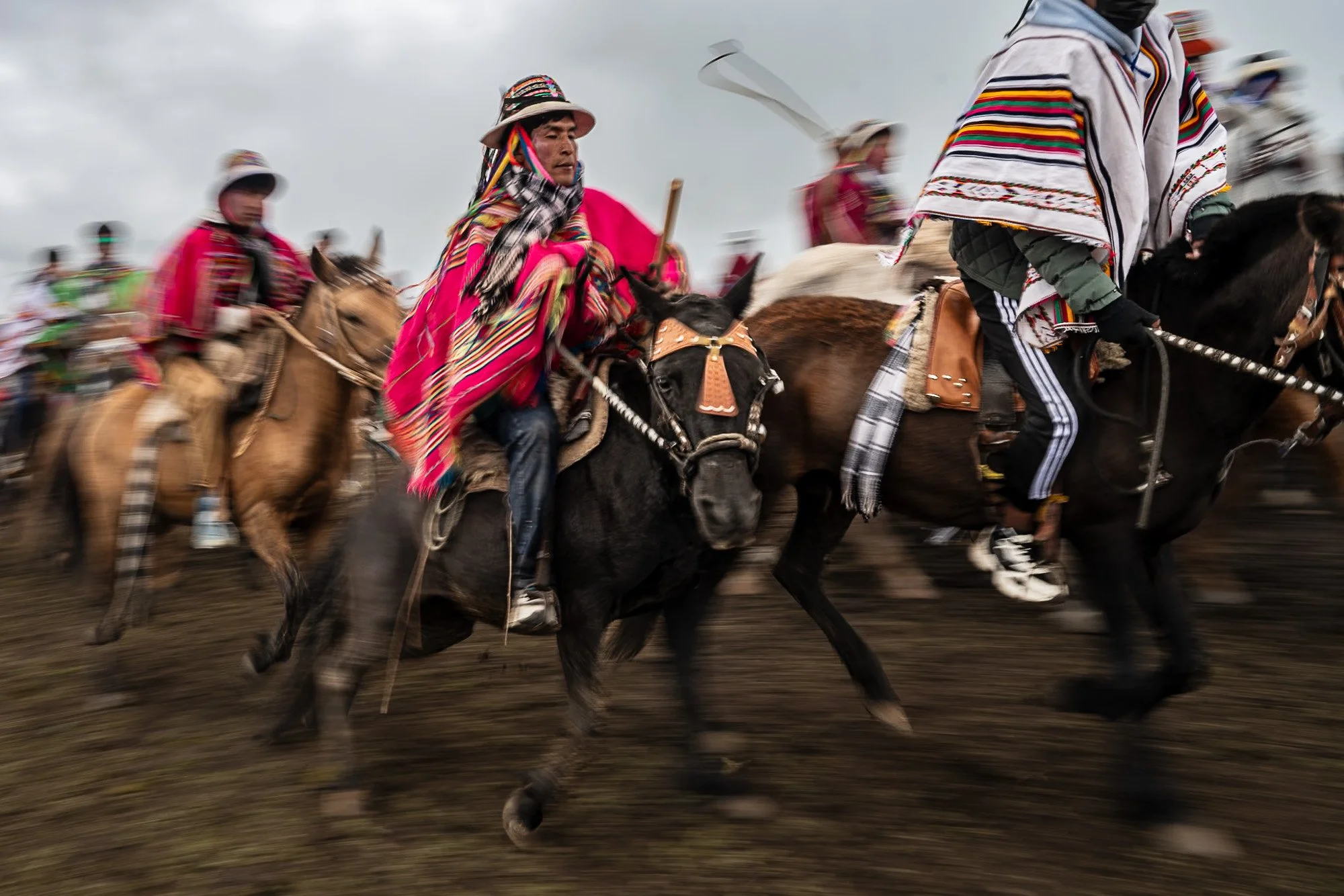
Everyone joins in, dressed in the traditional, vibrant attire of Cotabambas. You can hear the enchanting sounds of quenas and tinyas, traditional songs that resonate through the festivities. The riders take pride in showcasing their horses, and carnival dances known as qhaswas along with the music never cease, making it an incredibly vibrant atmosphere.
This joyful celebration continues for hours, stretching into the late afternoon. When it’s finally time to head back to Tambobamba, there are many stops along the way to enjoy more revelry. Once back in Tambobamba, the festivities pulse on into the night. However, I had to cut my night short to return to Cusco for the next round of Carnaval celebrations. Glad I was able to experience one more time.
Part 3 of Carnaval coming in the next post - stay tuned!