Carnaval - Pt 1 - Candelaria
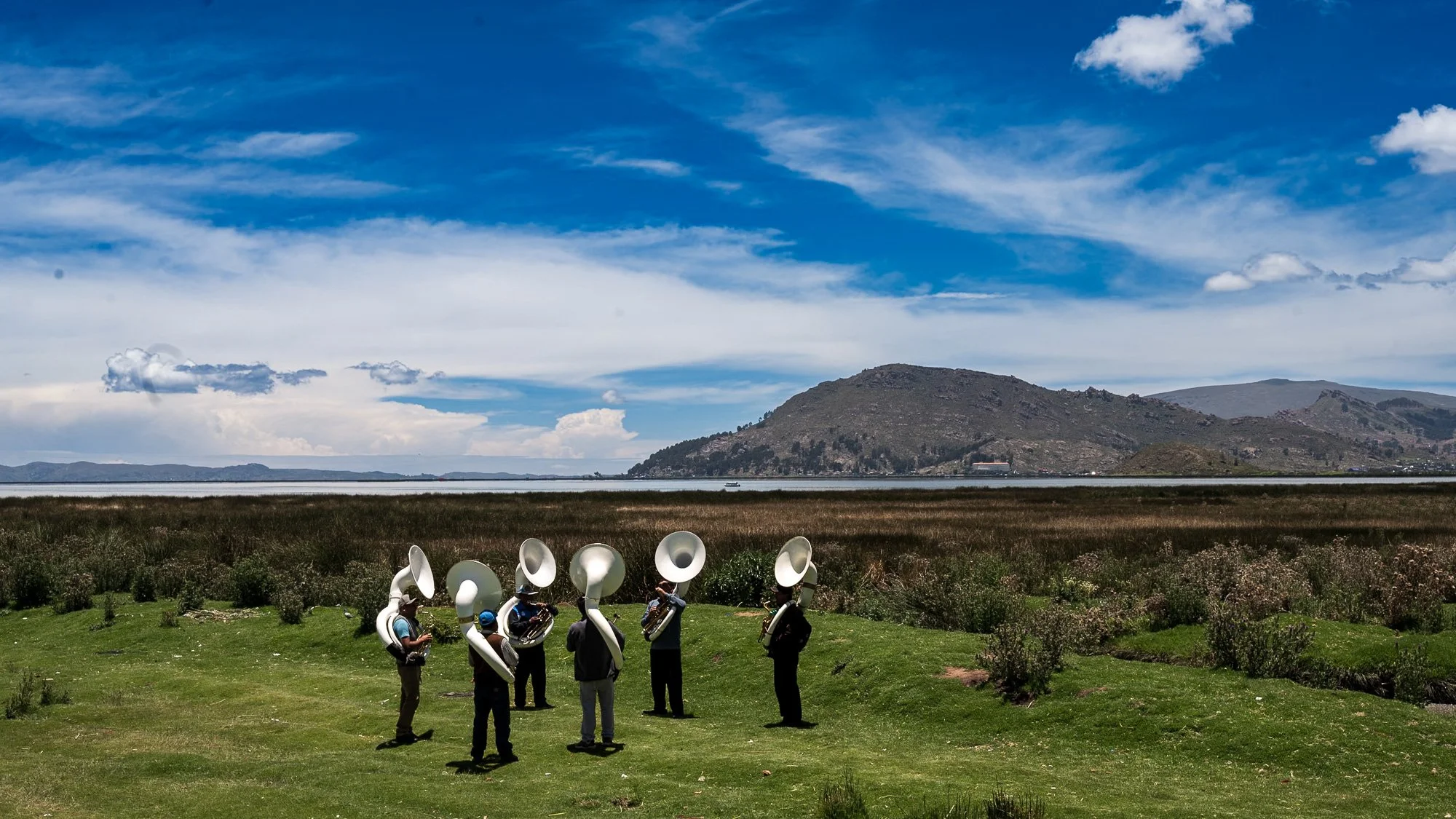
Musicians practice on the shores of Lake Titicaca before Candelaria celebrations.
Carnaval has wrapped up, and Lent is in full swing here in Peru! For those unfamiliar, Carnaval (or Carnival in English) is a vibrant celebration rooted in gratitude and renewal, embracing the rich traditions of Andean culture alongside elements of Catholicism.
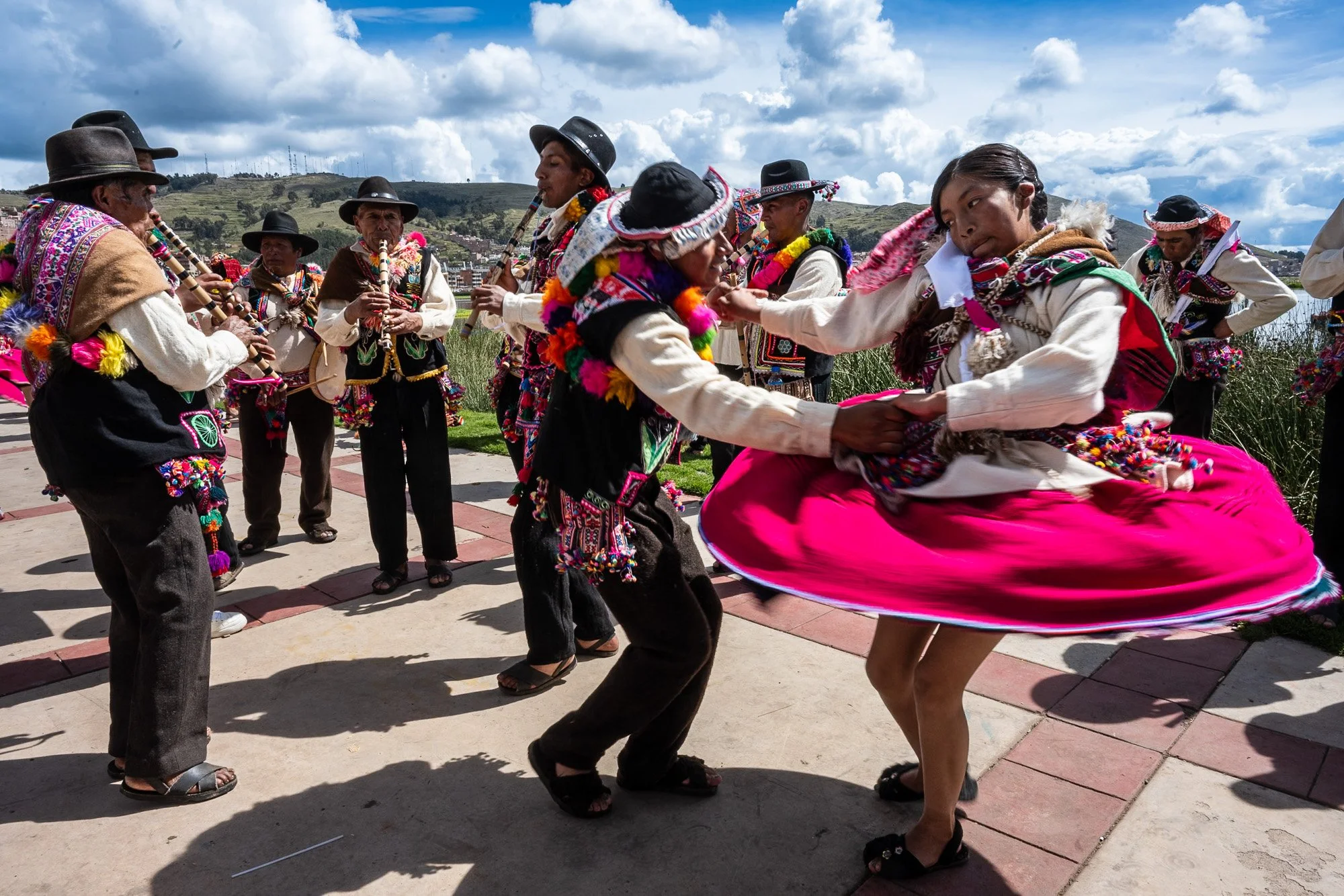
This joyful time typically unfolds in the weeks leading up to Lent, usually in February, coinciding with the peak of the rainy season just before the harvest begins. The air is filled with infectious music and dance, lively water fights, and people playfully smearing each other with mud or colorful talc. These actions symbolize cleansing and renewal, helping to banish bad energy and welcome the good!
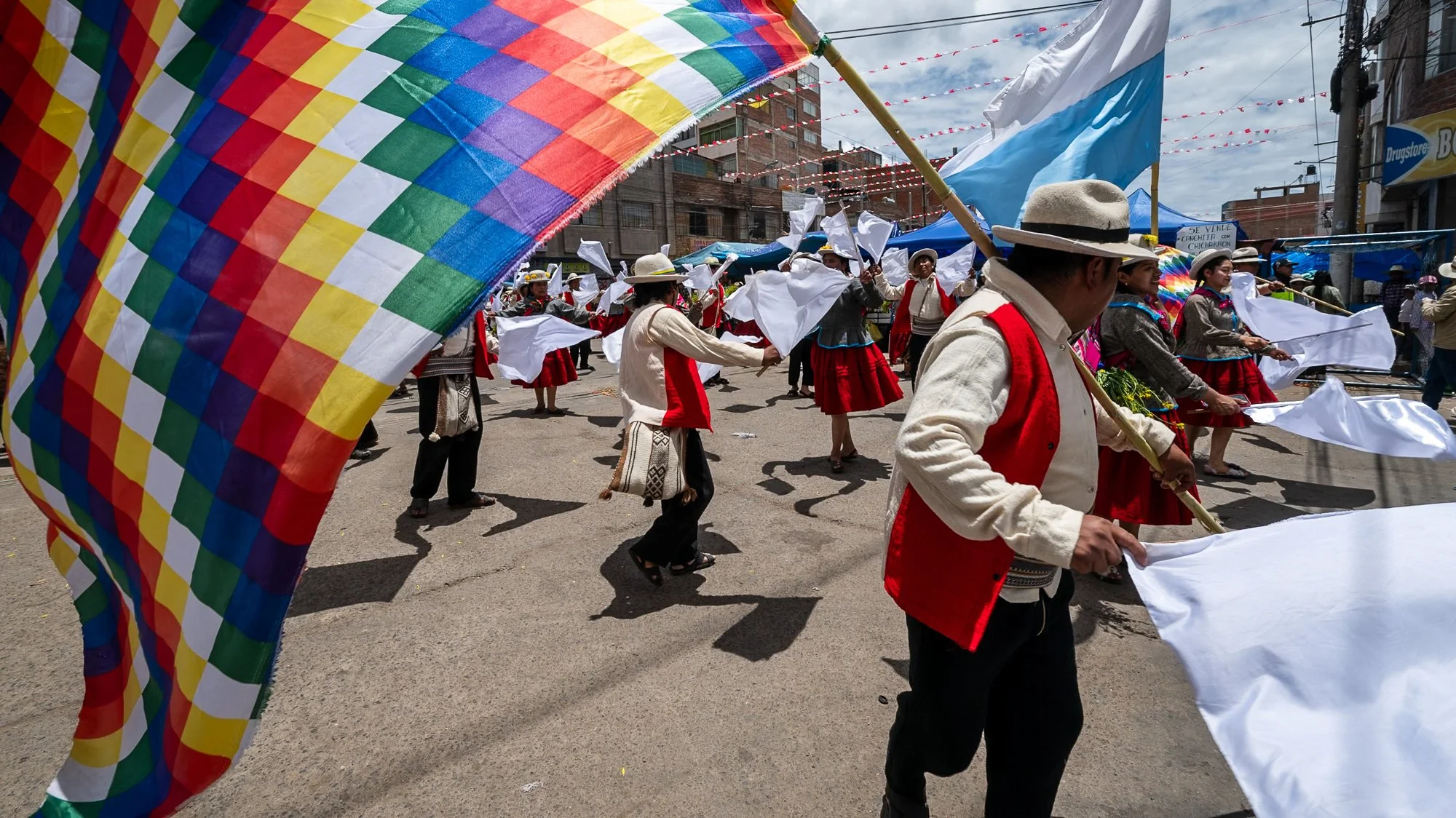
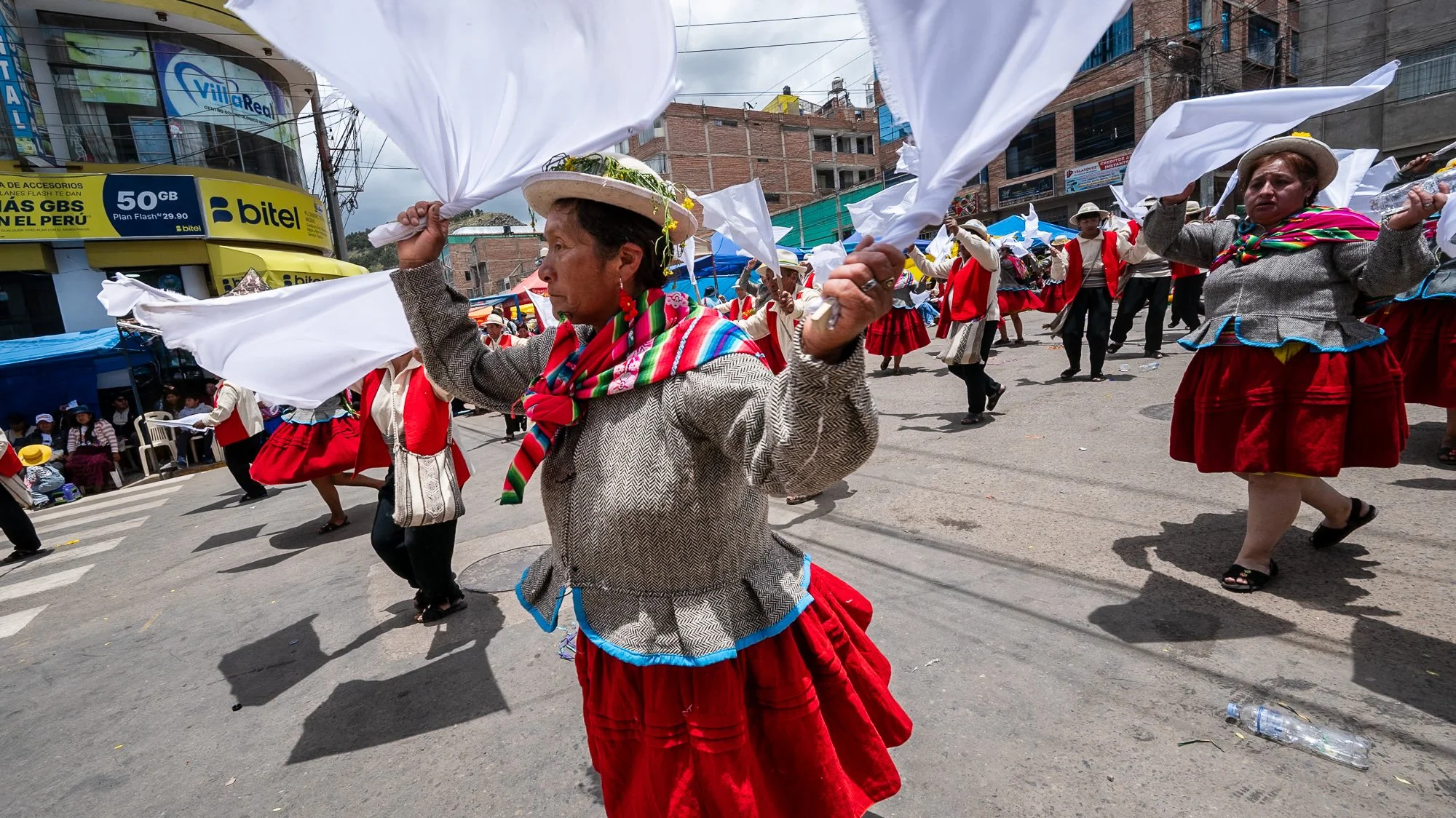
While there are many regional variations in how Carnaval is celebrated, the essence remains the same: it’s all about honouring Pachamama (Mother Earth), expressing gratitude for the upcoming harvest, celebrating the joy of life, and strengthening community bonds.
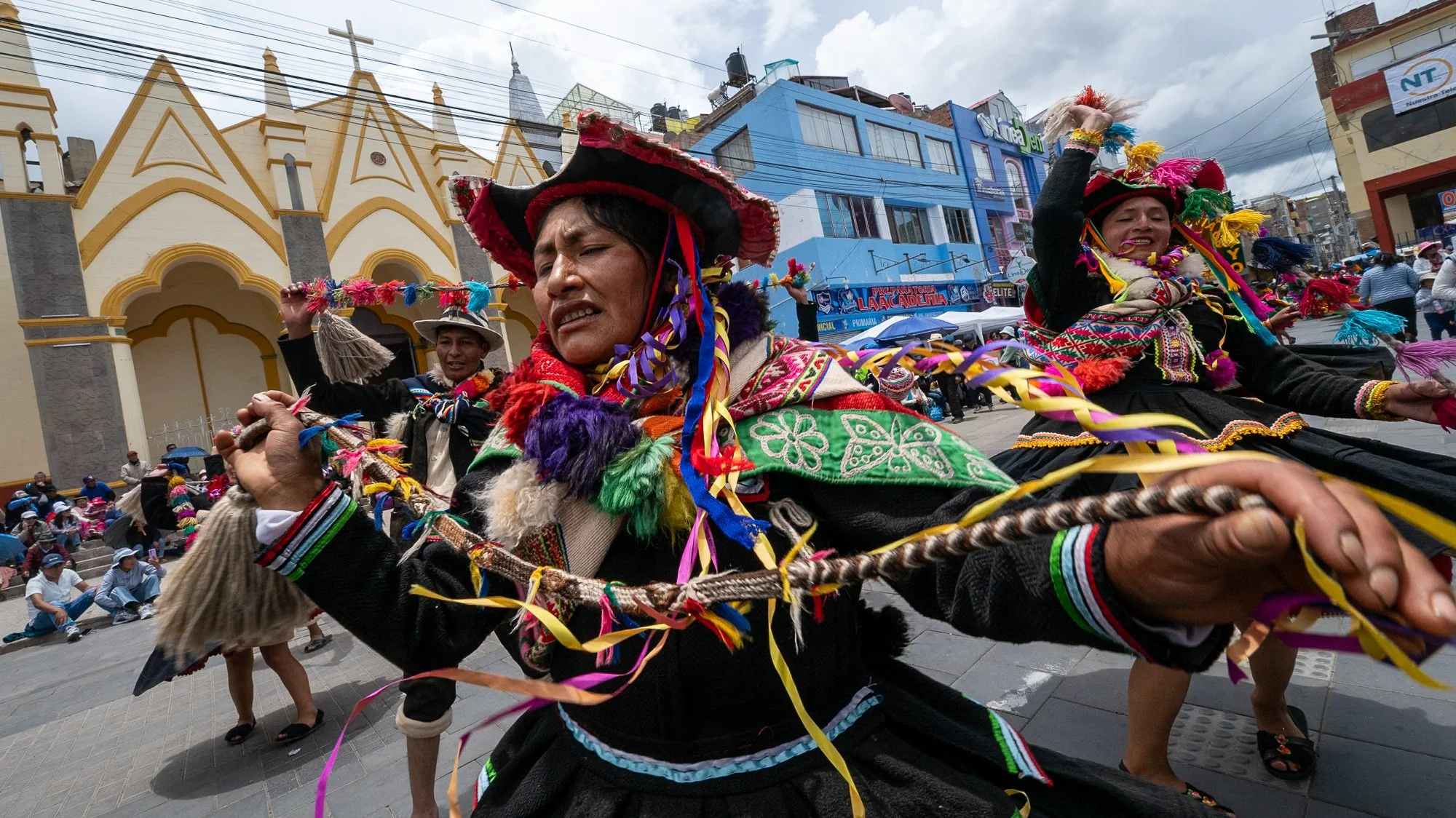
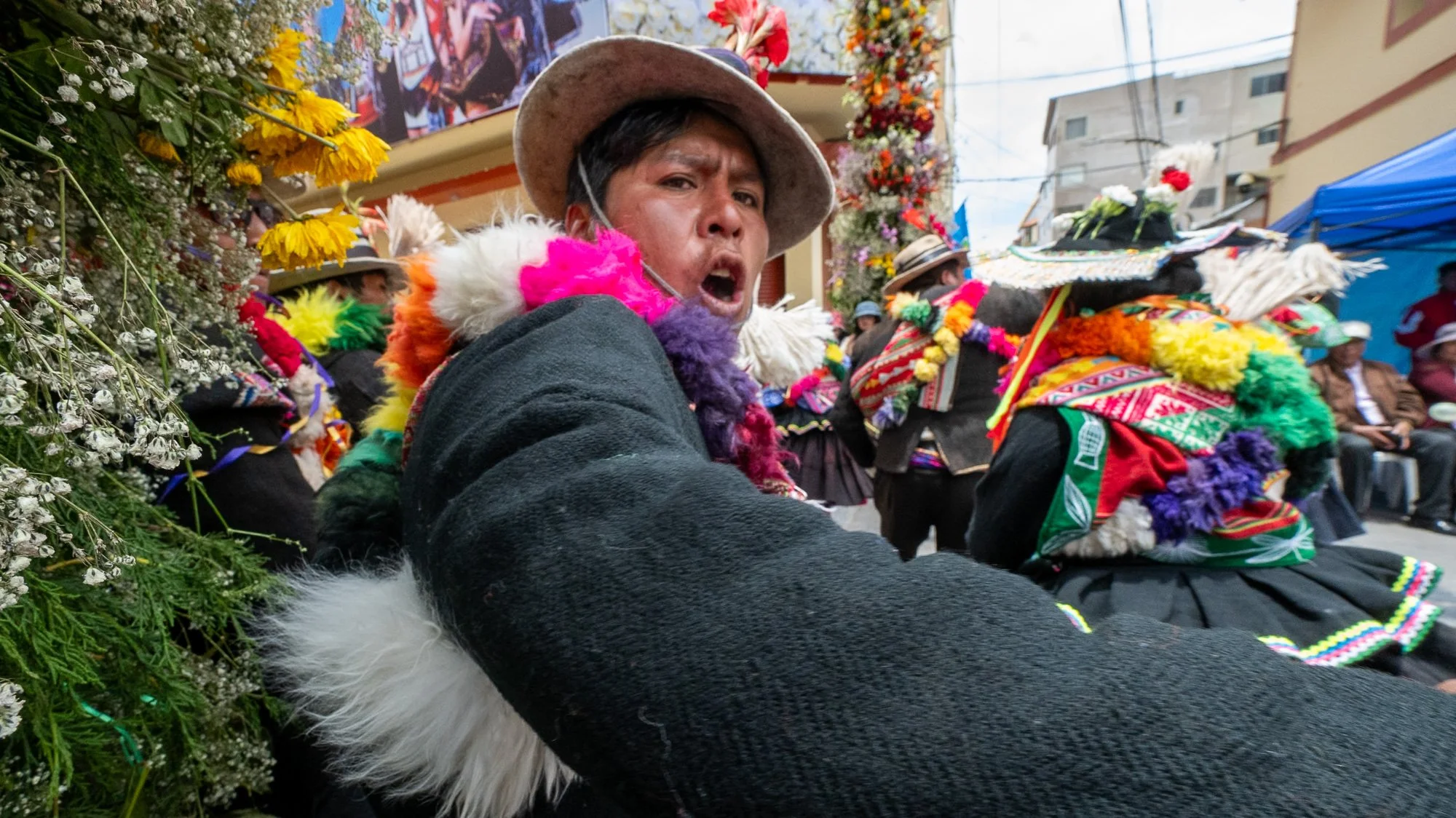
This year, I had the pleasure of experiencing Carnaval in three different regions, each offering its own unique flair in Puno, Cotabambas, and Paruro.
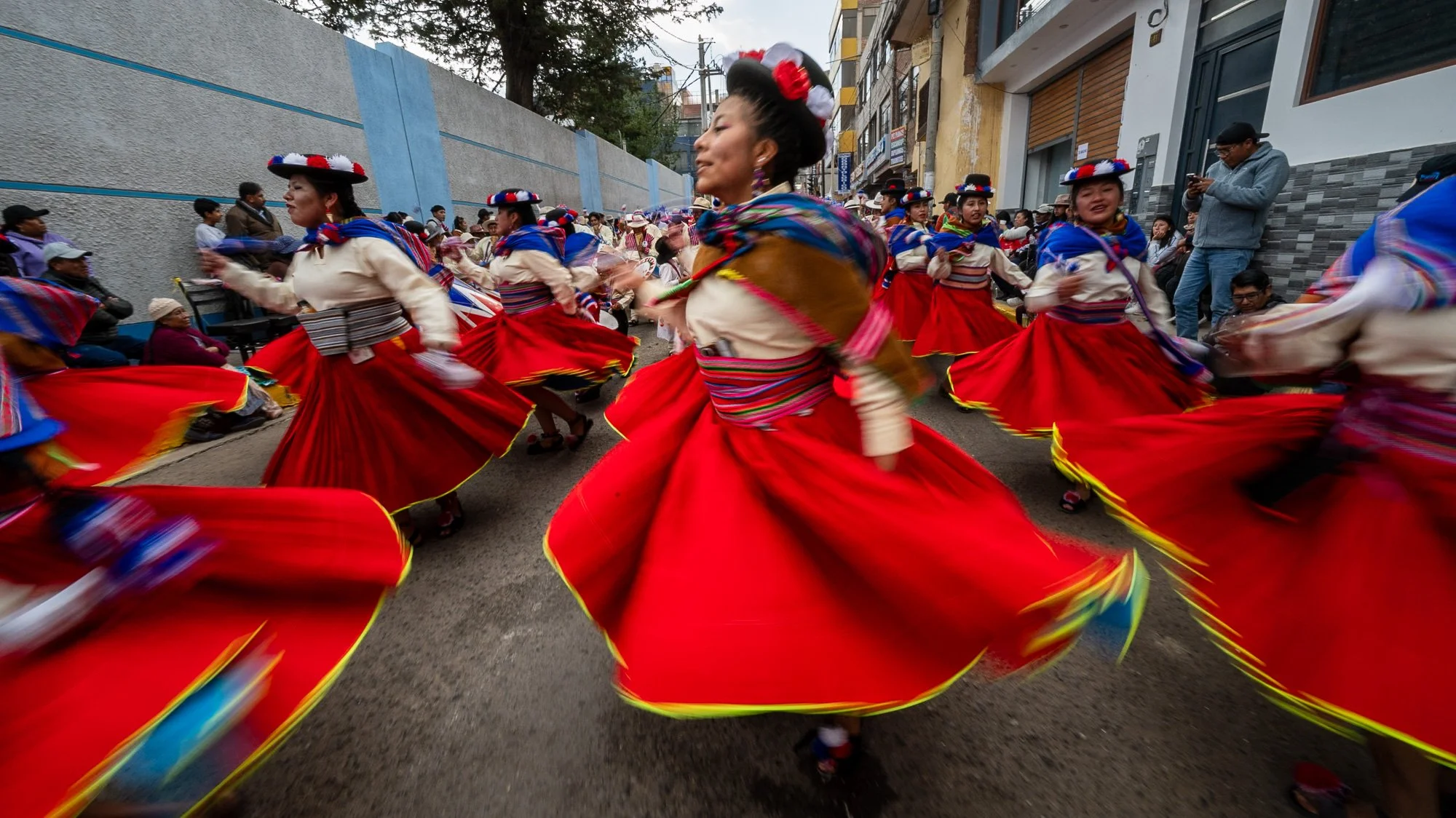
Kicking things off in Puno, I joined the colorful Candelaria celebrations. Nestled by the shores of Lake Titicaca and near the Bolivian border, Puno showcases a beautiful fusion of Quechua and Aymara cultures during this event. It's a ten-day extravaganza that merges religious reverence for their patron saint, the Virgen de la Candelaria, with grand parades and spirited festivities. It’s so significant that it's recognized as the third largest Carnaval in South America and even made it onto UNESCO’s list of Intangible Cultural Heritage of Humanity.
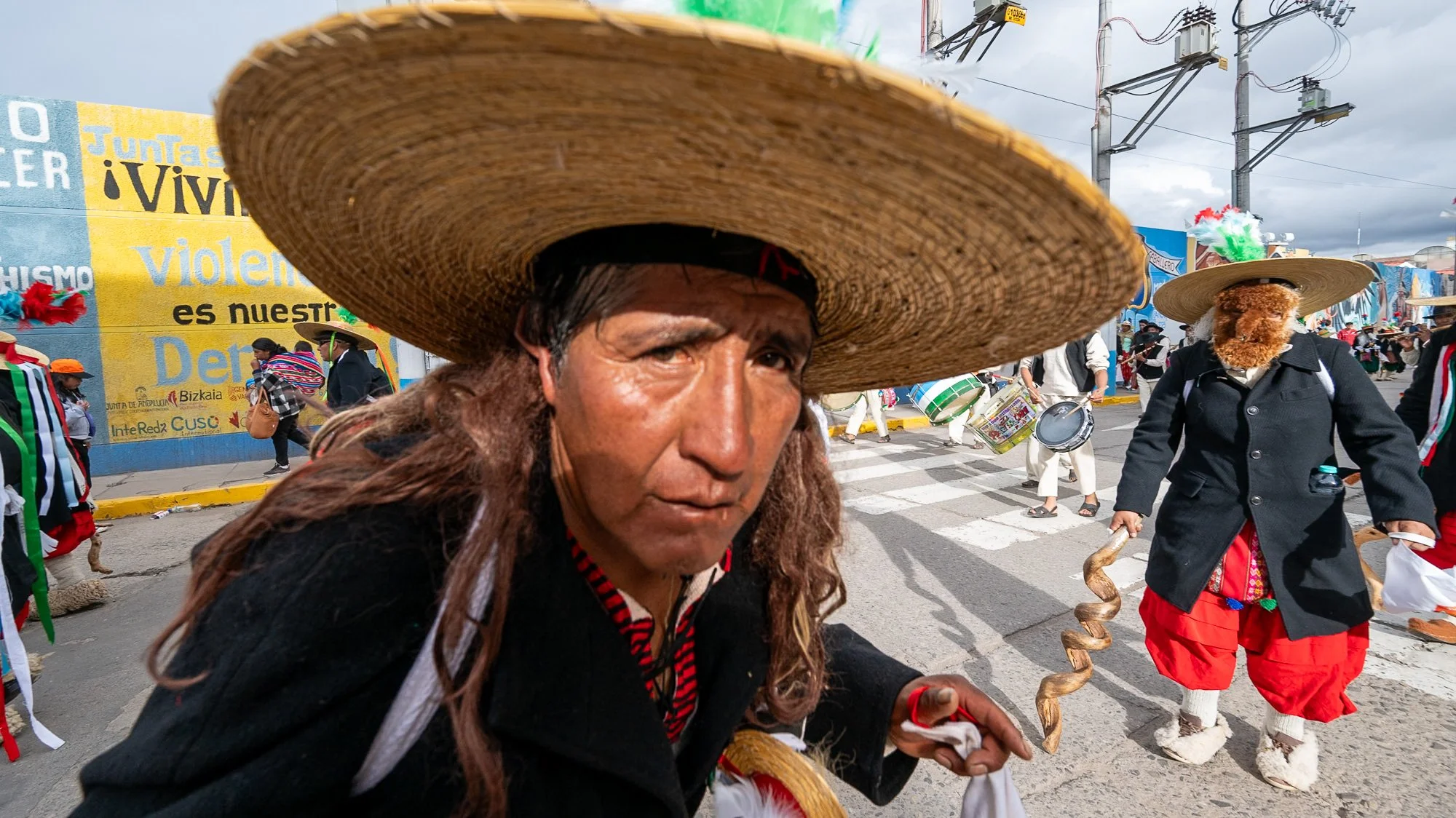
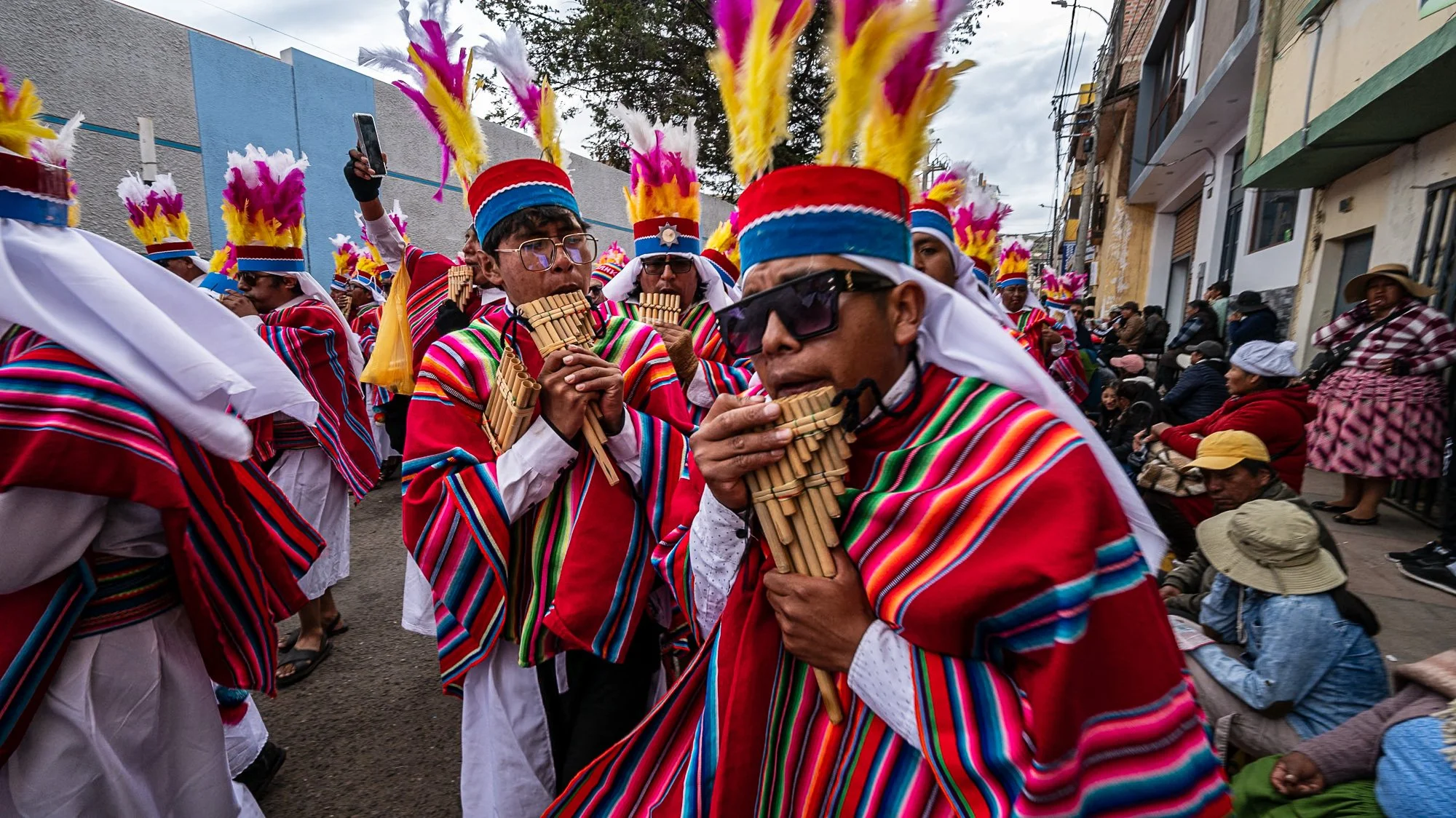
I only stayed for a few days to soak in the atmosphere and better understand the celebration as it does not hold great significance for my overall project. Nevertheless, it absolutely deserves recognition for its important cultural significance and I am happy I finally had the chance to experience it.
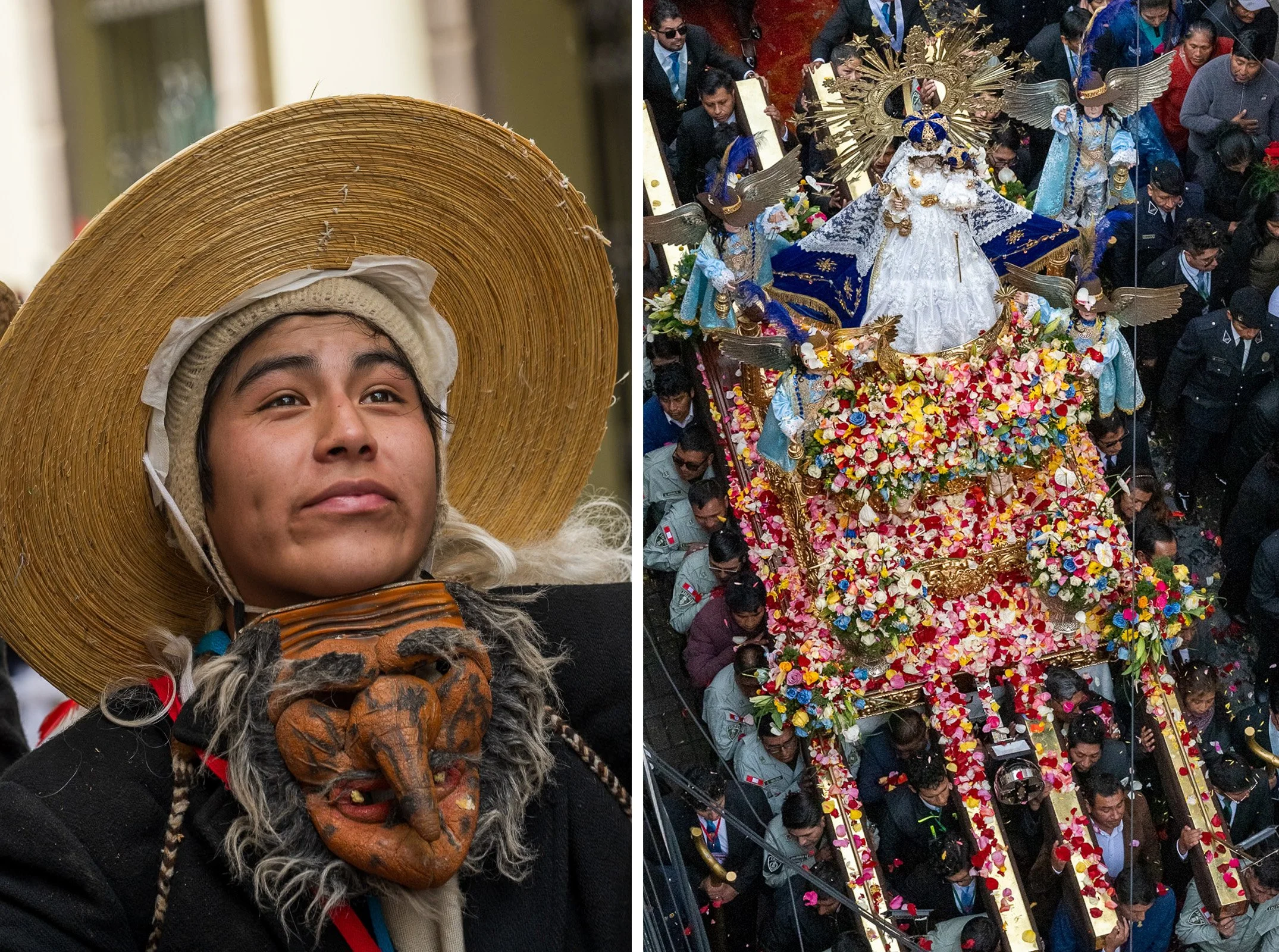
Part two of Carnaval in the next post…