Carnaval - Part 3 - Linderaje
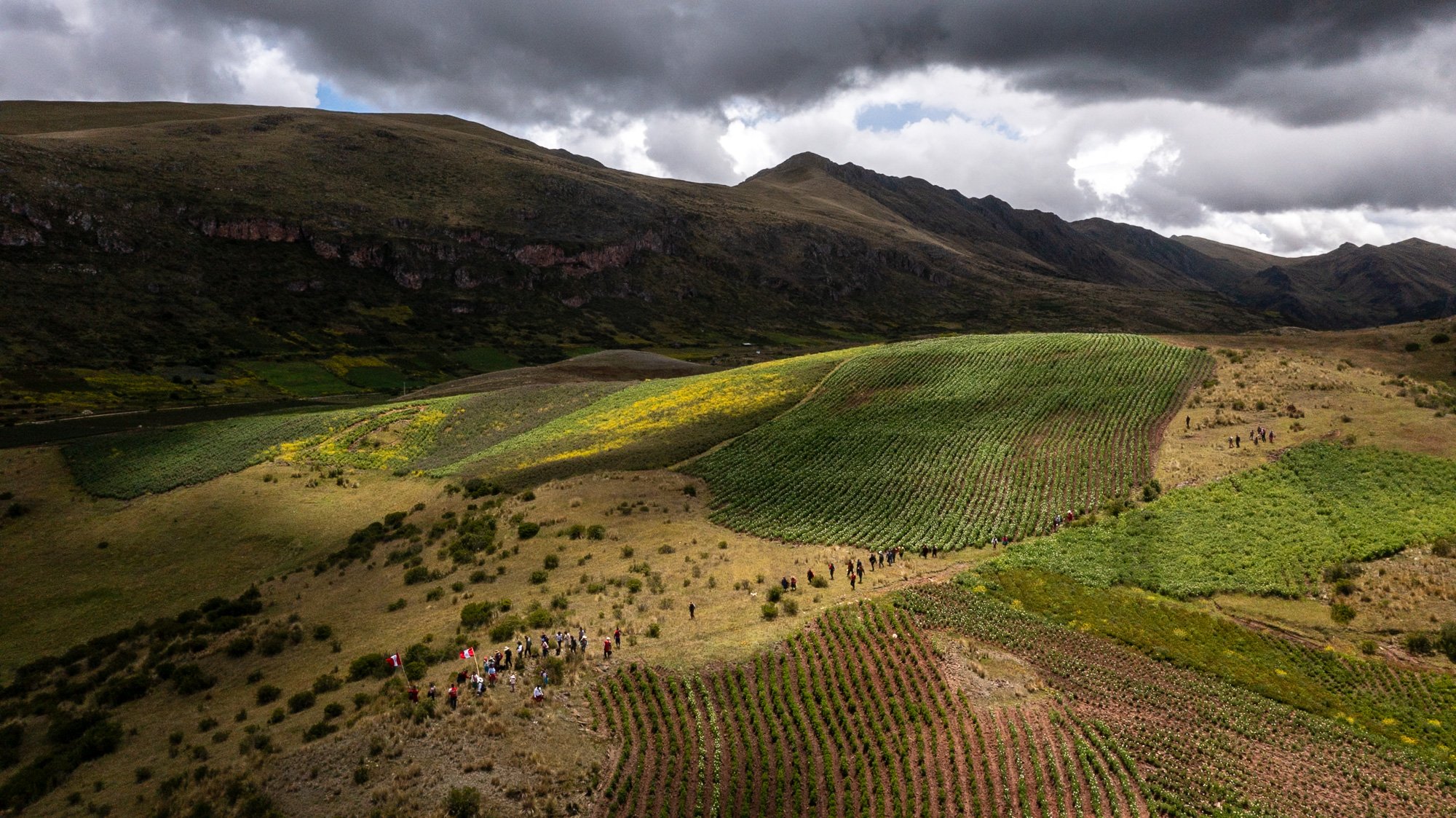
Marcura community members walk the community boundary during the ritual of Linderaje.
On the concluding day of Carnaval, I had the opportunity to visit the community of Marcura (Tantarccalla) in the province of Paruro, where the tradition of Linderaje was being celebrated for only the second time in roughly three decades.
For those who have been following this photo project, you might remember my previous visits where I documented the ongoing narrative of this resilient community. The ayllu (indigenous community) has been grappling with the threat of eviction from their homes and land for several years now, a situation that continues to unfold.
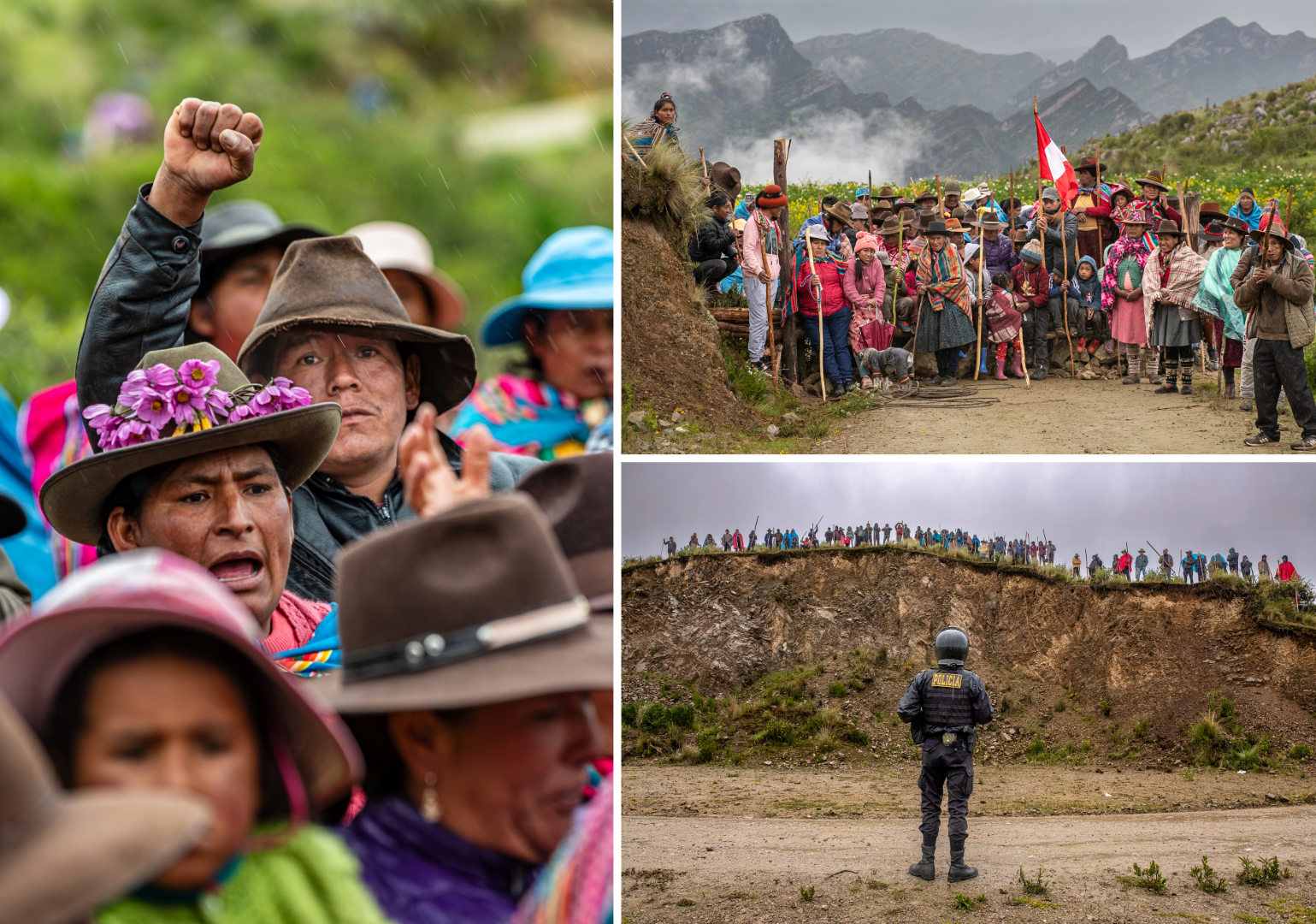
Community members resisting eviction from their homes and land in March, 2023
My initial visit to Marcura took place in March 2023. I was there to document the arrival of riot police tasked with evicting the entire community on behalf of an adjacent landowner who asserts rightful ownership of the land occupied by the residents. The community has historically inhabited this area since long before the Spanish colonization, situated along the Qhapaq Nan, an intricate road system of the Incan Empire. The adjacent landowner descends from the hacienda established during Spanish rule to allocate land to colonial settlers.
The complexities surrounding this issue continue, with the justice system often siding with the former hacienda landowners. Unfortunately, this predicament is not isolated to Marcura; numerous other ayllus (indigenous communities) are confronting similar challenges. In response, the community has allied with nine other ayllus facing comparable fates to present their case to the United Nations.
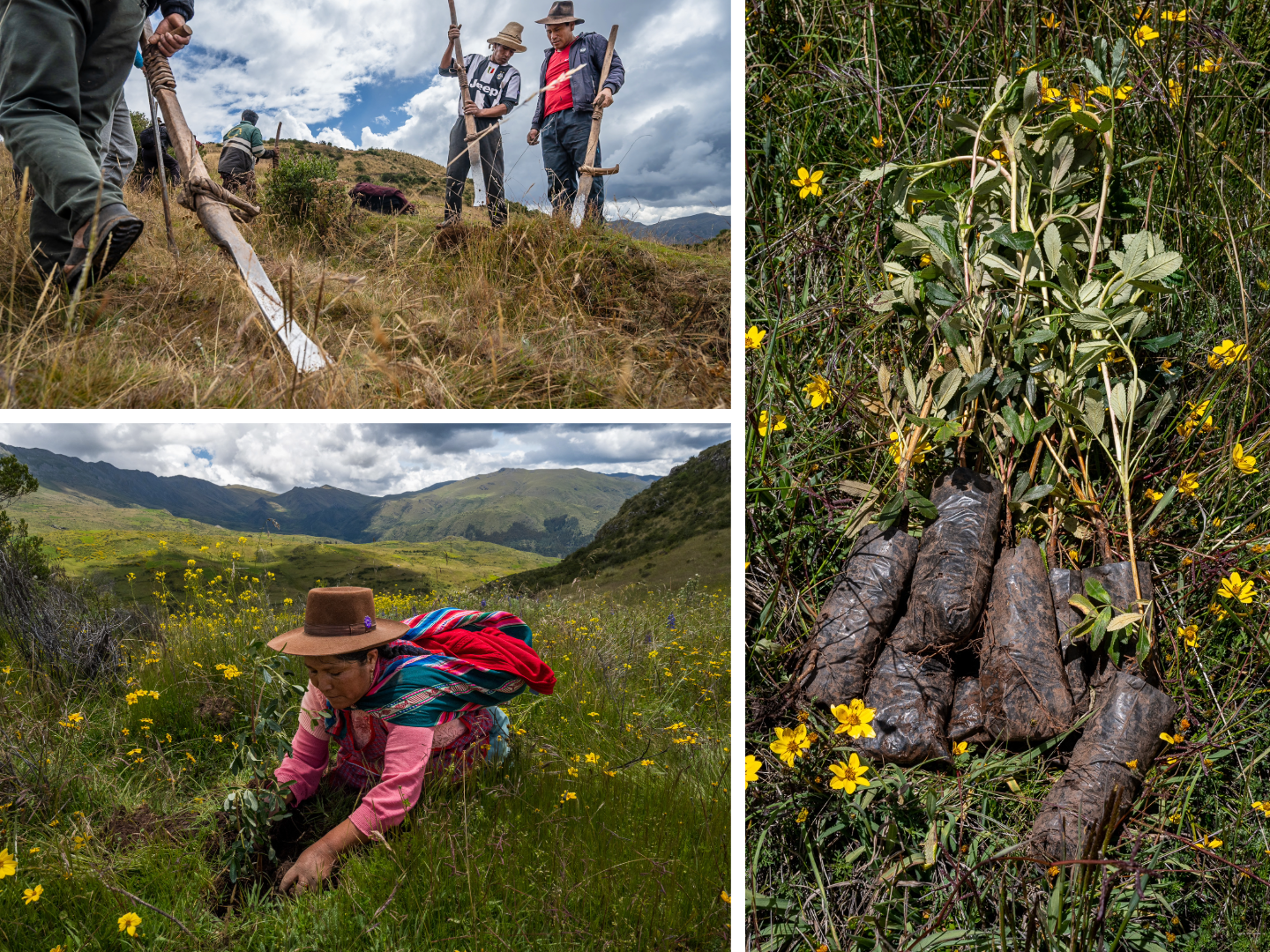
Native queuña trees being planted on the boundary of the community of Marcura to delineate their land.
While advocating for their rights, the community remains proactive in safeguarding their land and homes. Notably, they planted two thousand native queuña trees last year along the boundary of their territory. This initiative emerged after individuals had been dismantling the fence that delineated their land, with the adjacent landowners claiming ownership.
I played a role in this tree planting effort by raising funds through print sales and donations to acquire a portion of the trees. This was an endeavor I felt compelled to support, considering the significant injustice at stake. I accompanied the community to document their efforts in the planting of these trees, reflecting the community's struggle to assert their rights.
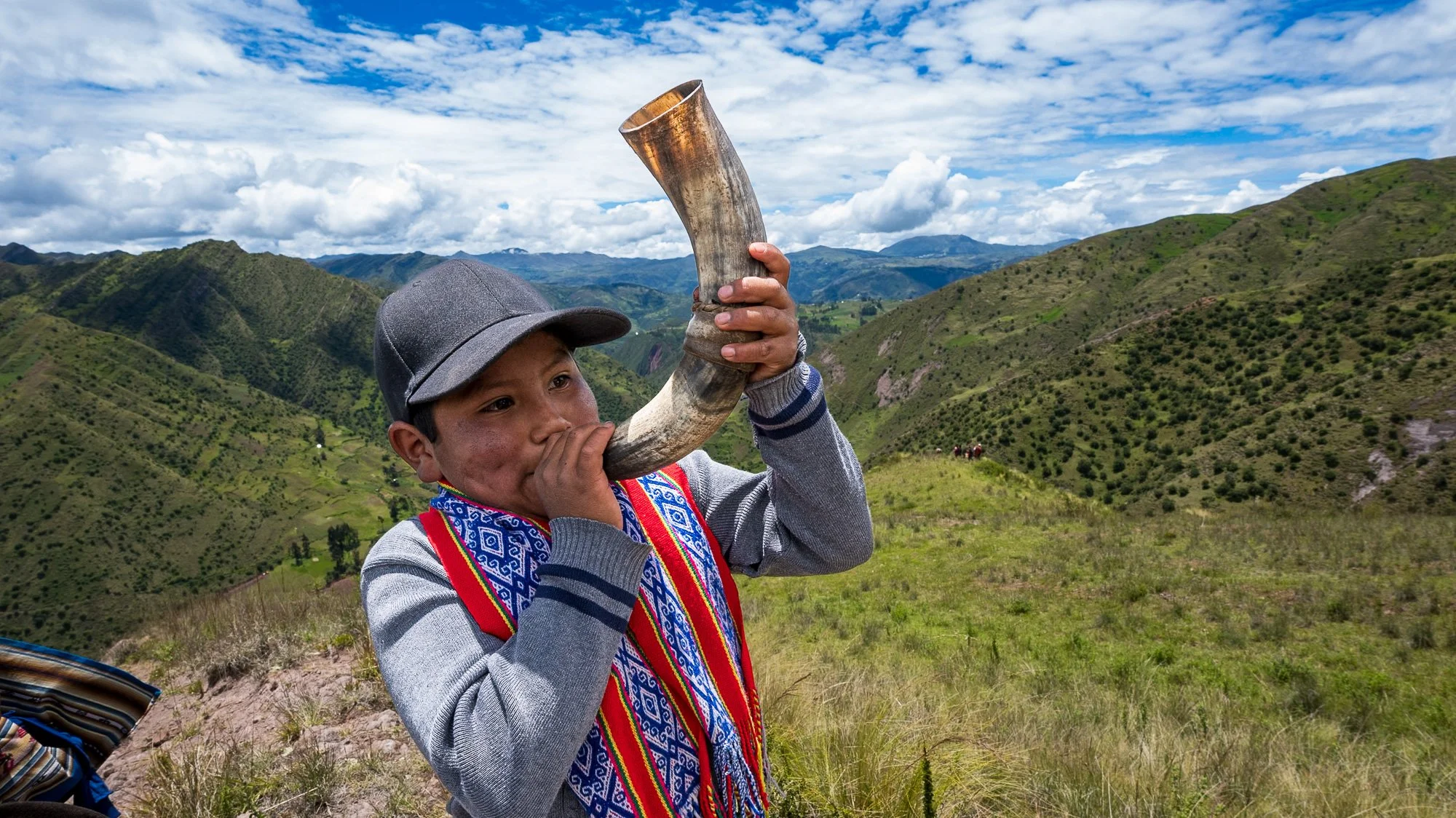
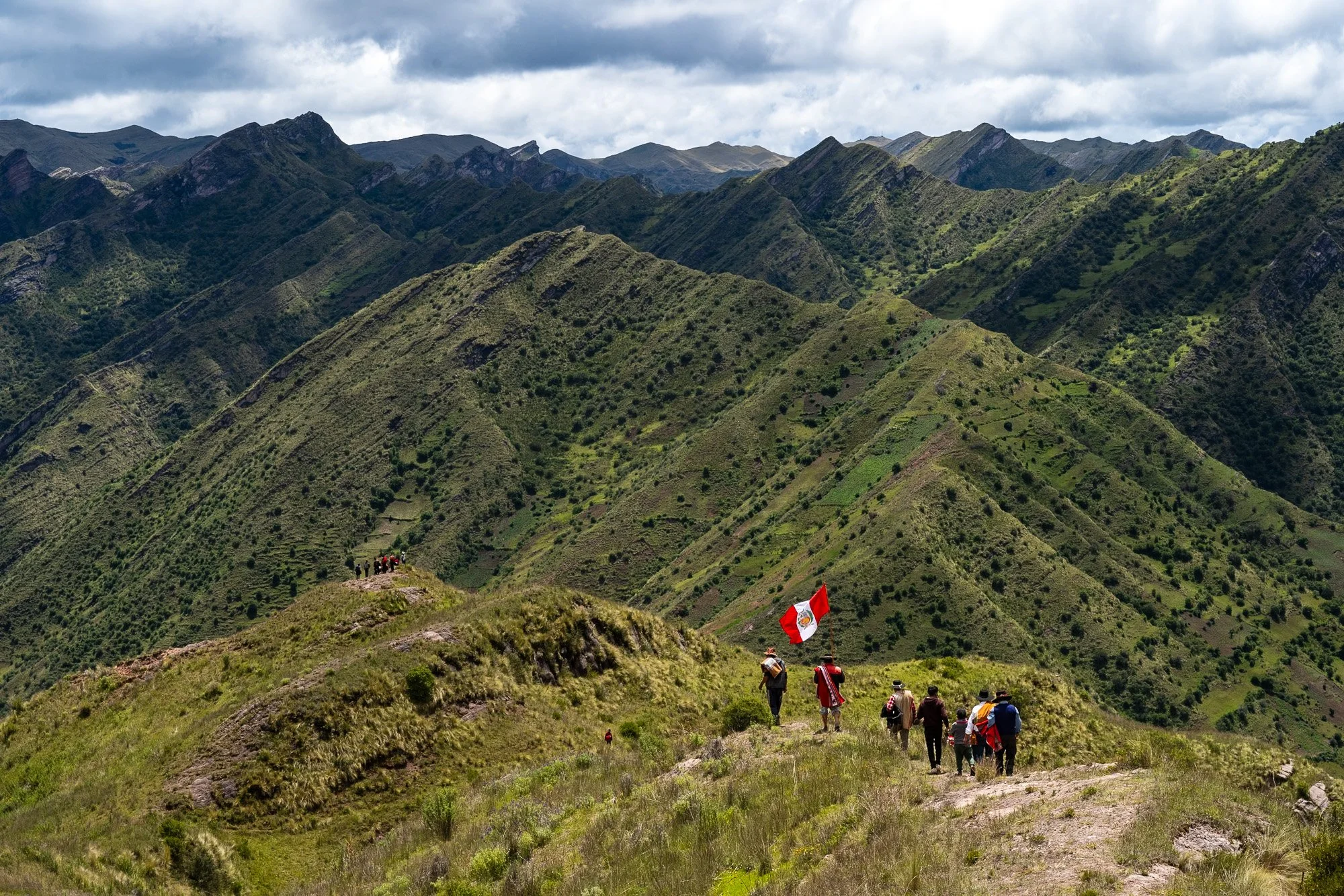
As I returned to Marcura on this final day of Carnaval, the community joyously celebrated the tradition of Linderaje, a testament to their enduring spirit and resilience. Linderaje is a traditional Andean ritual of territorial demarcation, primarily observed in the Cusco region of Peru. This ceremonial event unites community members as they walk the land, reaffirming and marking the boundaries of their properties through a vibrant celebration that includes rituals, dances, and traditional offerings. This practice not only reinforces social ties but also fosters respect among neighbors. Very appropriate.
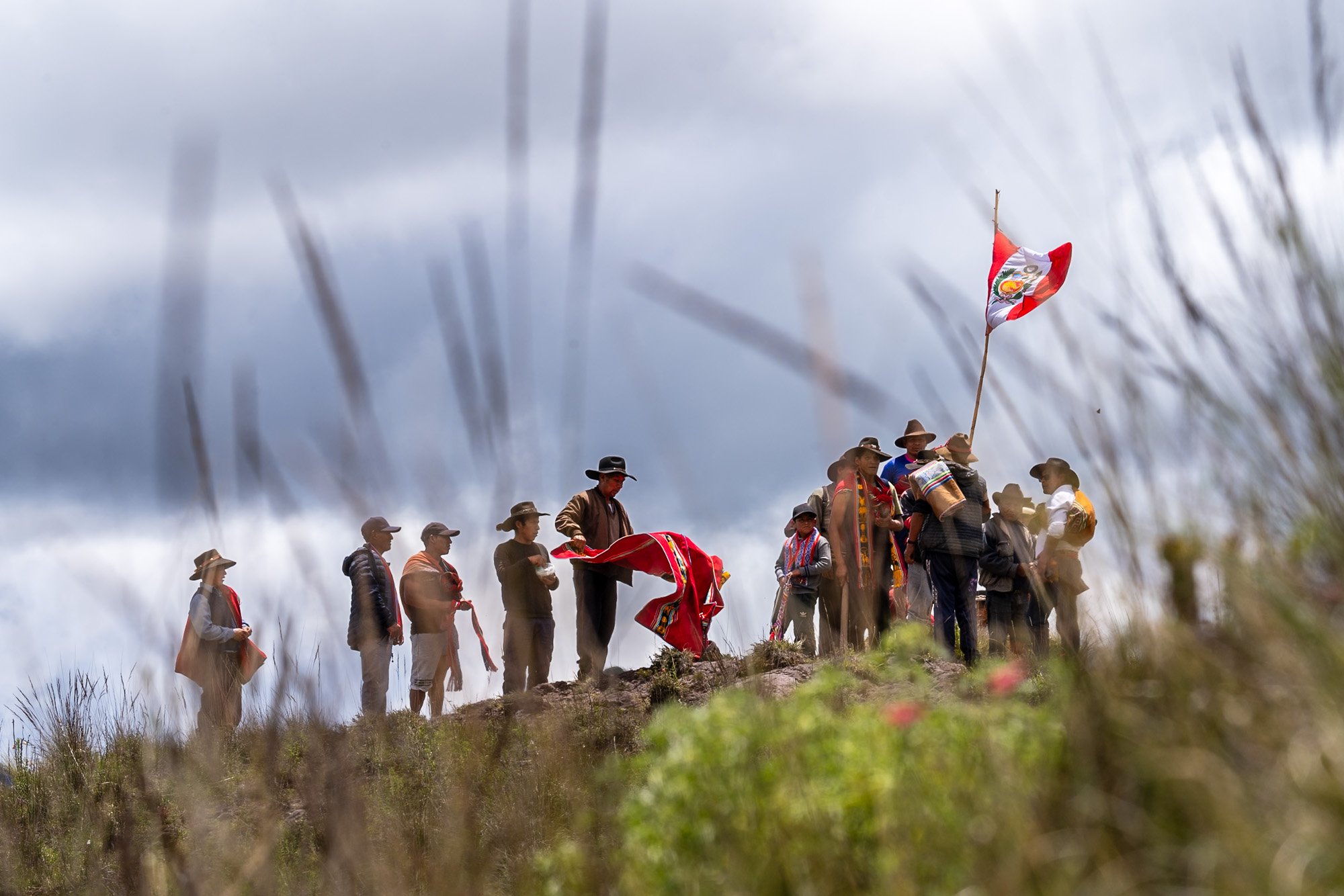
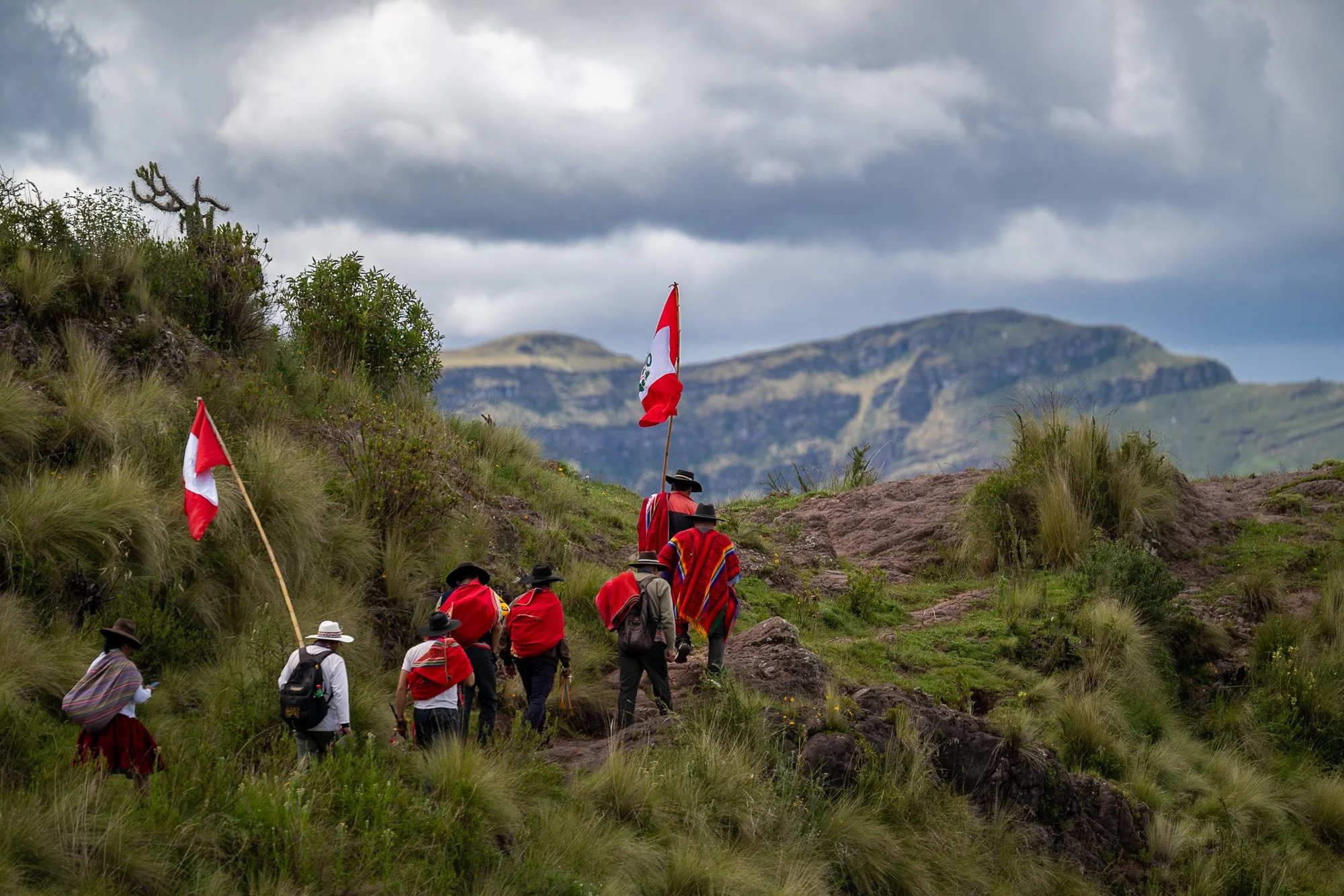
In Marcura, the tradition of Linderaje had not been observed for nearly three decades, largely due to the influence of missionaries who arrived to promote evangelism. These missionaries actively discouraged the continuation of traditional cultural practices in favor of Western, Christian customs, representing a contemporary form of colonization that persists today.
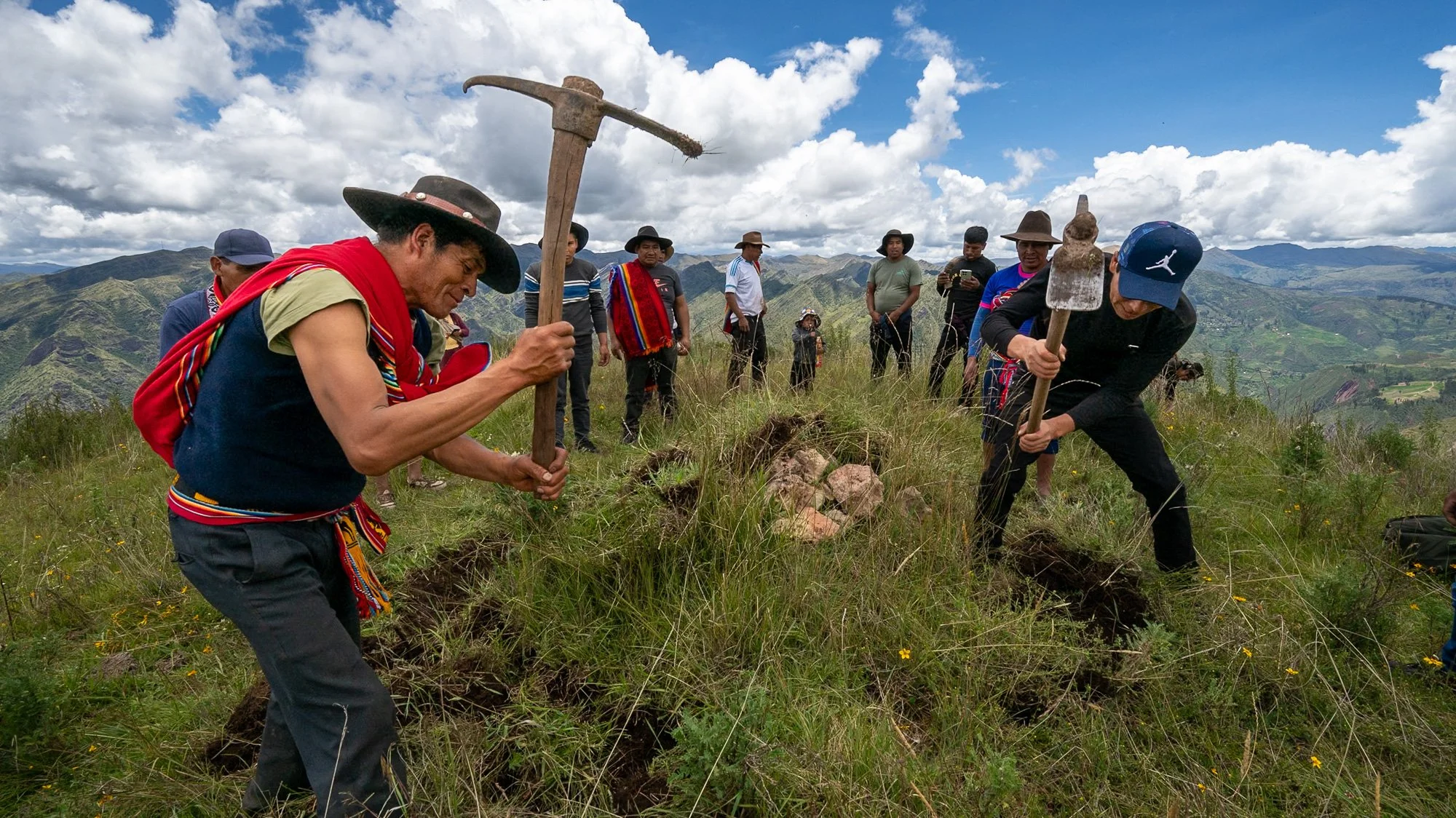
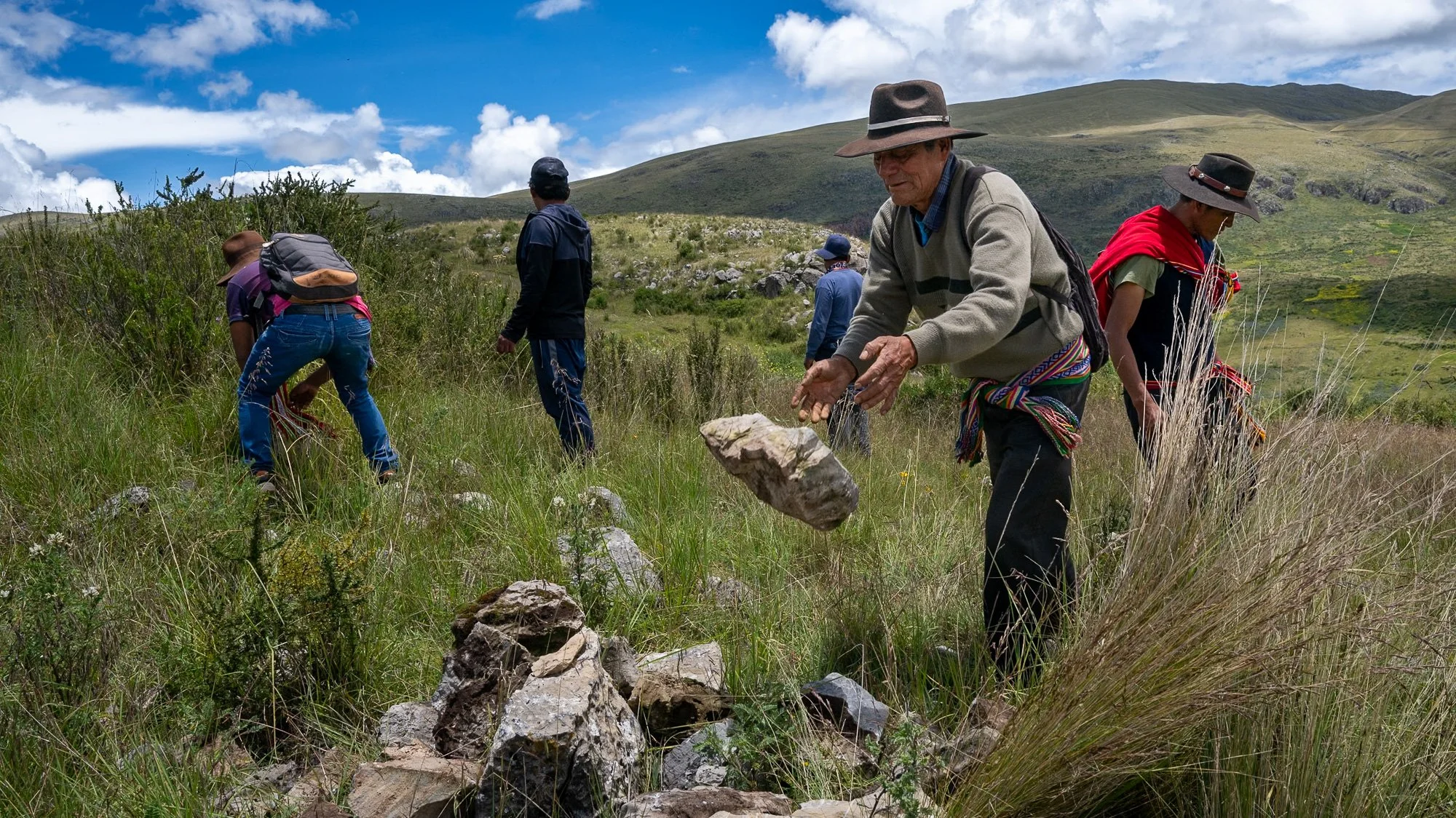
Linderaje was one of the cherished elements of life that was lost during this period of proselytism. However, as land ownership disputes continued to loom, the community, or ayllu, made the significant decision to revive this tradition last year. This year marked the second occurrence of the ritual in several decades. Although the celebration was modest and somewhat informal as the community navigates its revitalization, it carried immense importance as Marcura seeks to reclaim its rights and cultural identity.
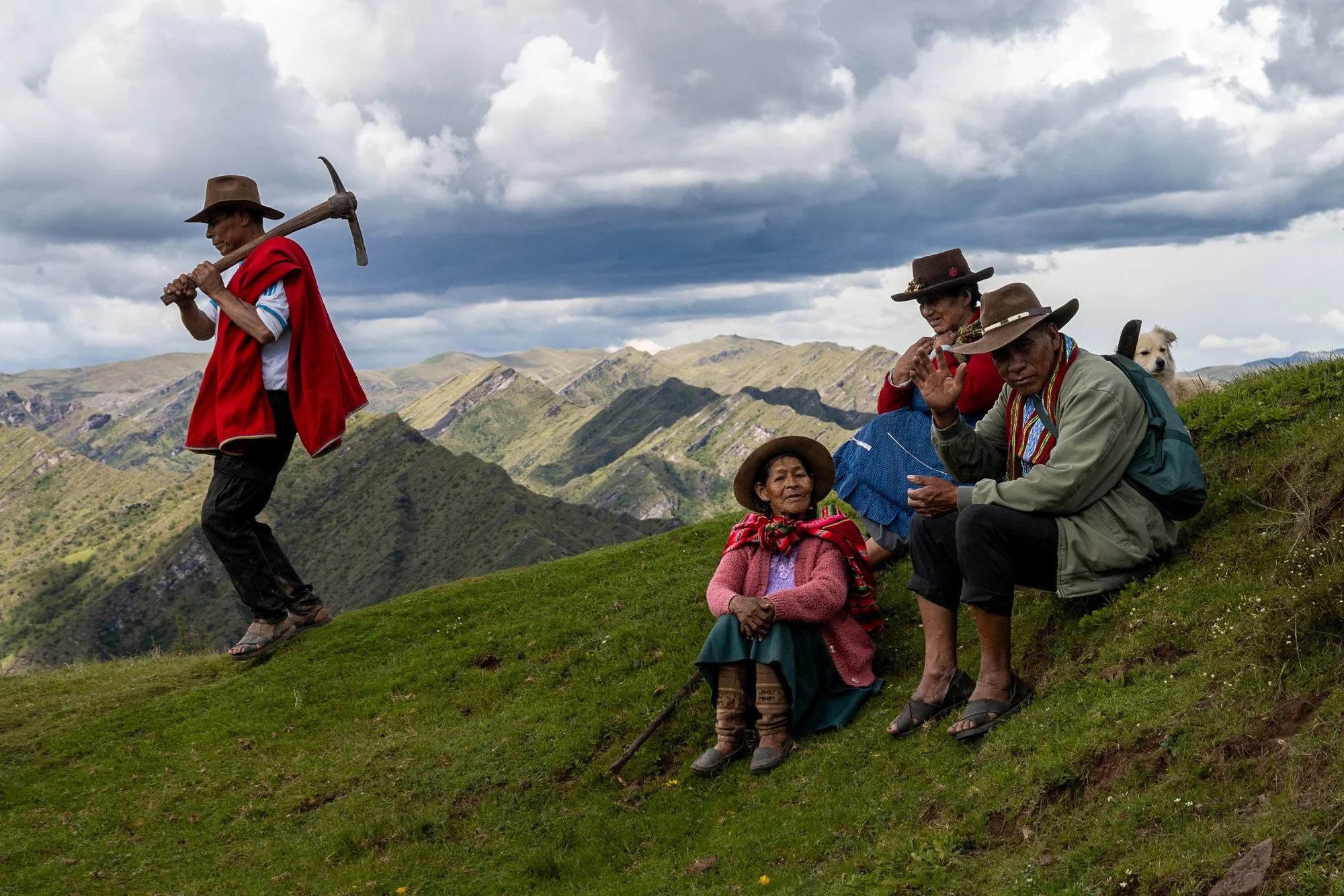
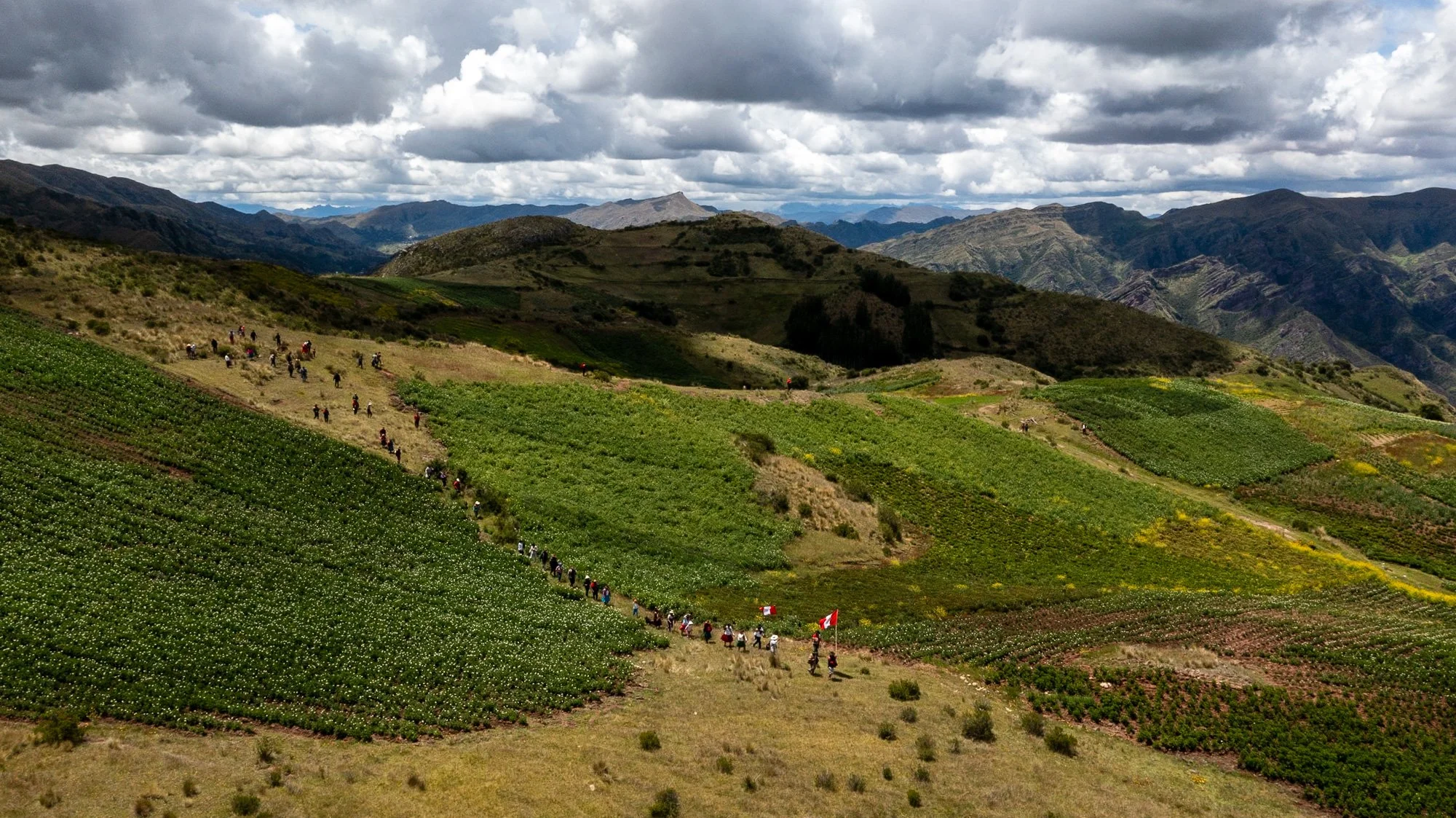
The ritual of Linderaje takes place during Carnaval, a season symbolizing rebirth and renewal. This timing is particularly significant for the ayllu of Marcura, and while it was the smallest Carnaval celebration I attended and documented this year, it may very well be the most meaningful.
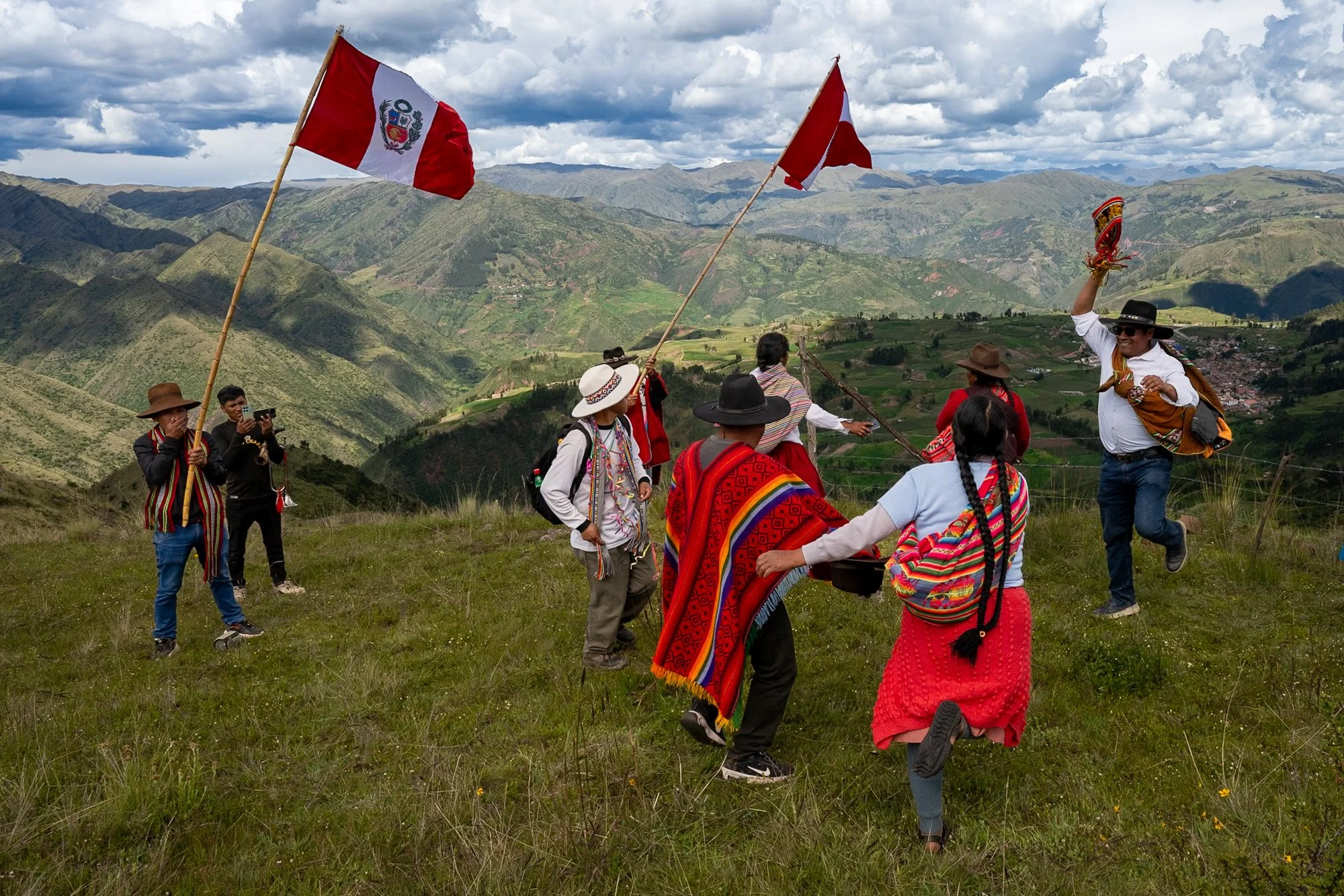
Community members dance in celebration on the boundary of their community during the ritual of Linderaje.