Guardians of Culture
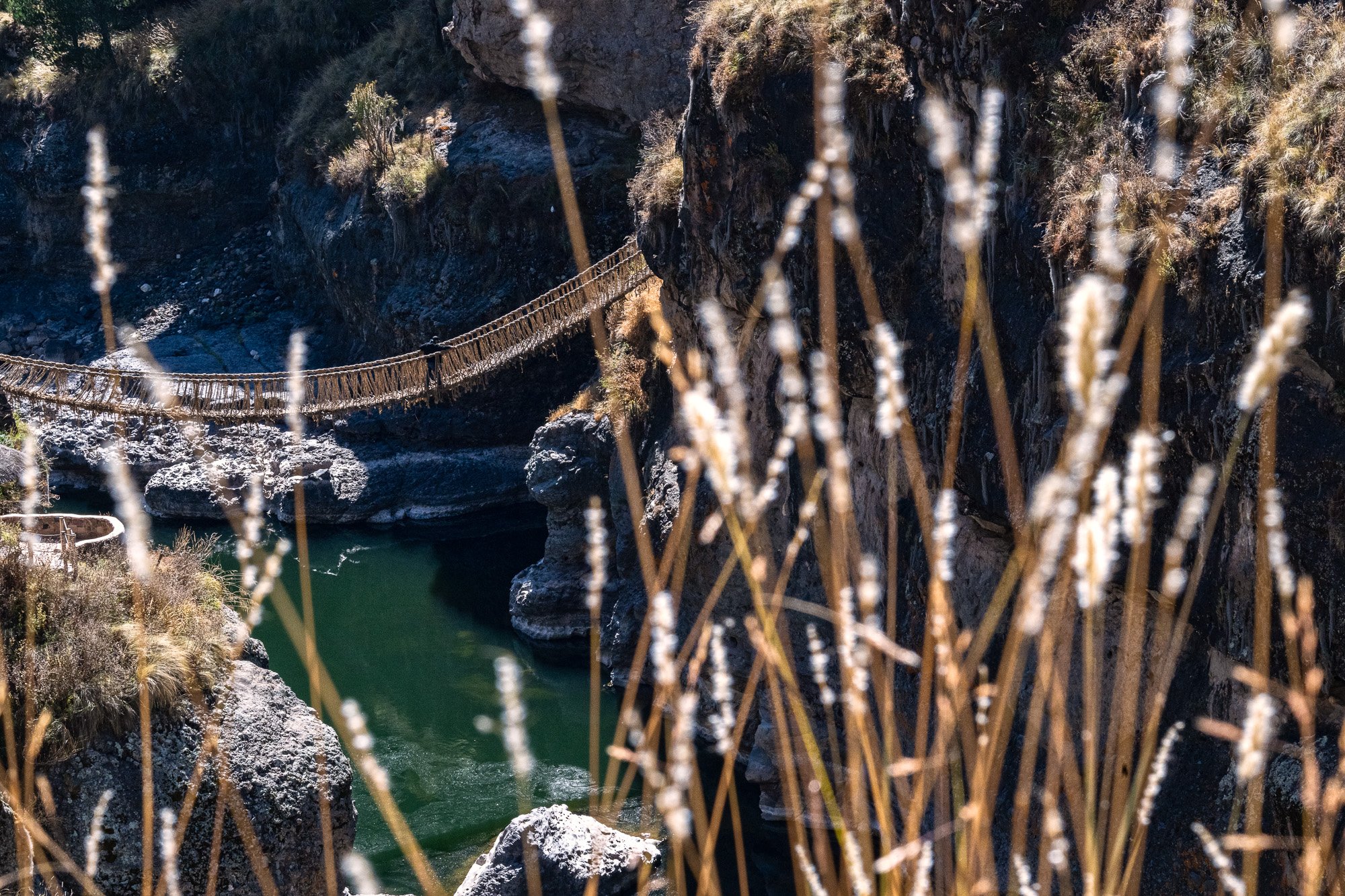
The Q’eswachaka rope bridge spanning the canyon over the Apurimac River dates back to the pre-contact era.
Throughout history, women have been the guardians of culture. In the Andes, Quechua women still wear handwoven traditional clothing—each handwoven garment telling stories of identity, place, and ancestry—even as men often choose mass-produced imports. These textiles are more than garments; they are living testaments to their lineage, passed from mother to daughter.
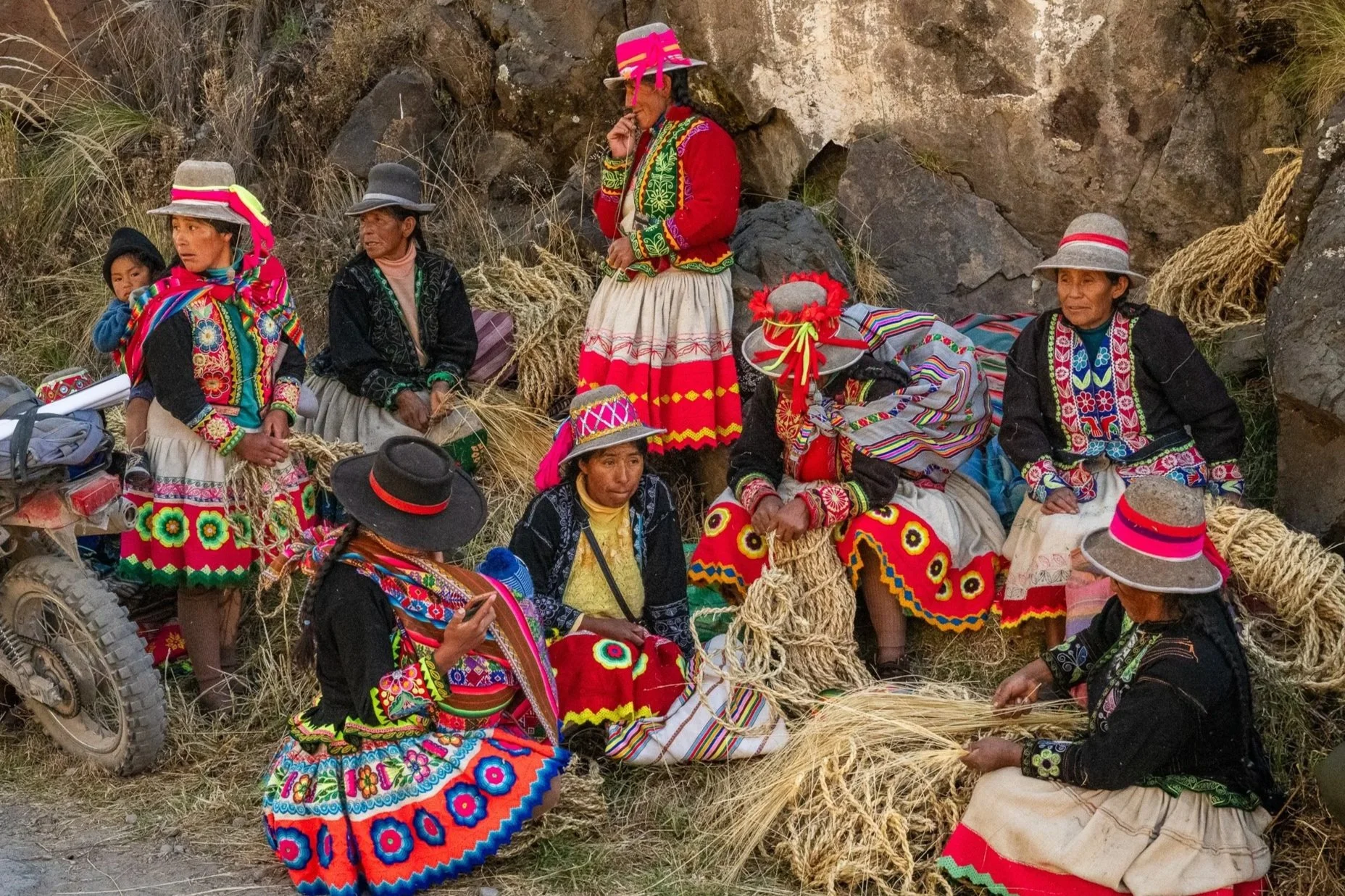
Women wait to contribute the ropes they have produced for the reconstruction of the Q’eswachaka Incan rope bridge.
Women also nurture the intangibles in their children: language, oral traditions, values, ritual leadership, a deep connection to the land, and the Andean worldview. Their commitment to cultural preservation is an act of resistance and survival, woven daily into the lives of their children and communities.
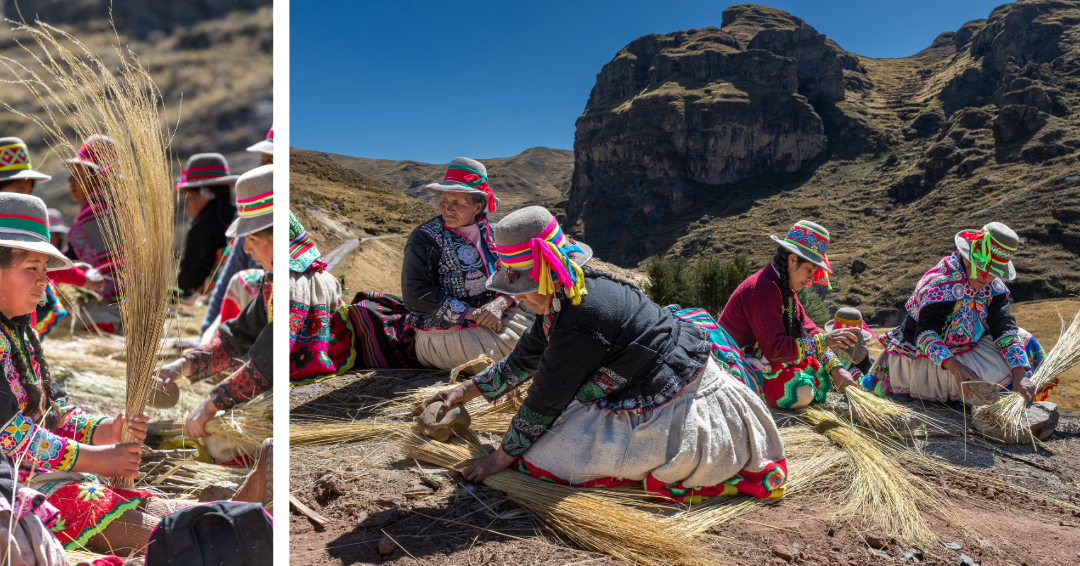
Women work with qoya grass into a malleable form in order to shape it into ropes by hand.
Much of this work goes unseen and unrewarded, yet it is essential—and never done alone. Culture thrives through community.
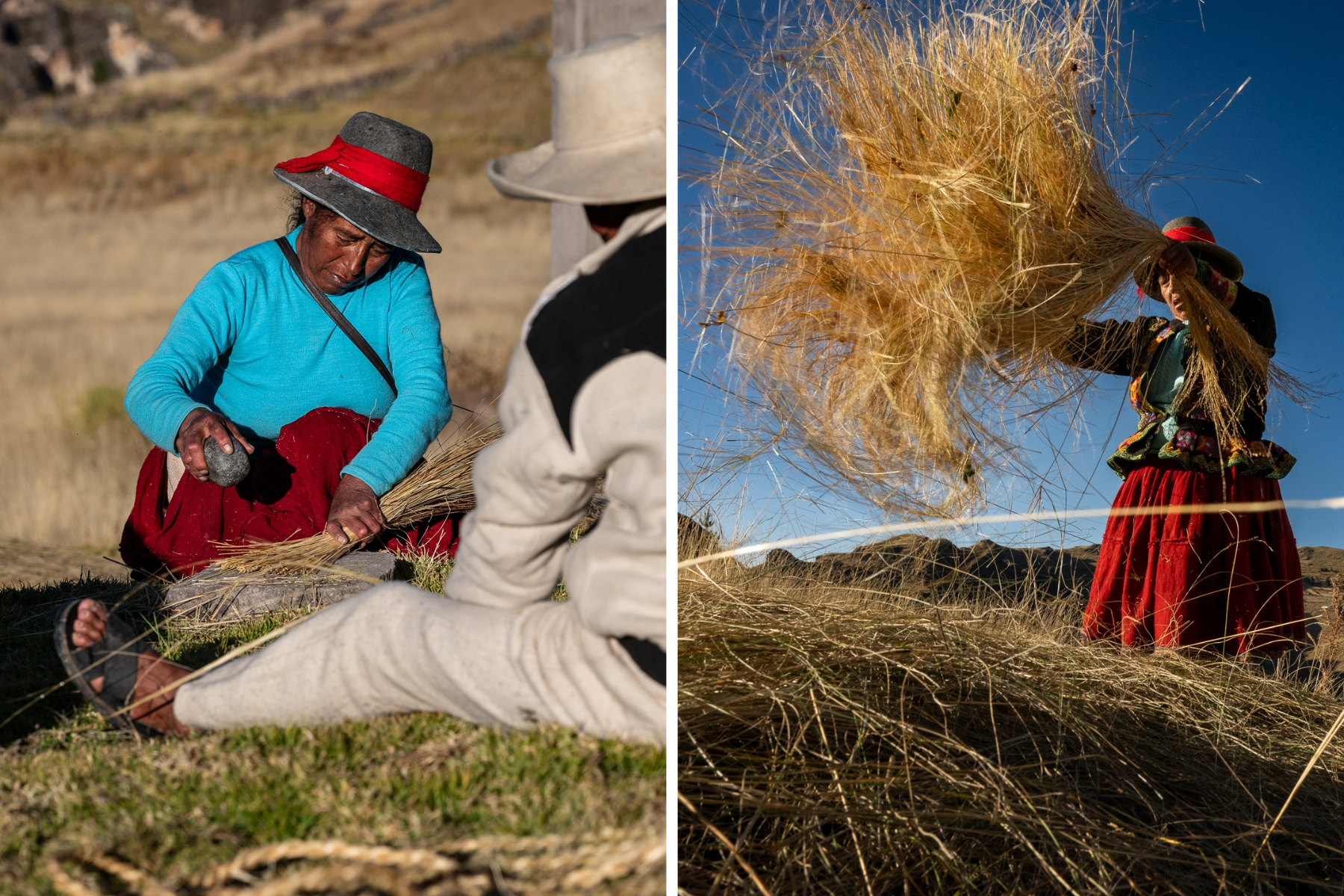
Alejandra harvests qoya grass and prepares it to be made into rope for the Q’eswachaka bridge reconstruction.
Consider the annual rebuilding of the Q’eswachaka rope bridge in Peru, a tradition over 500 years old. Here, men and women unite, embodying Minka & Ayni—the sacred spirit of reciprocity at Quechua culture’s core. Men return to their traditional attire of woollen Quehue jackets, pants, and sombreros. Men and women each take on designated roles in the tradition and labour for days, while every household contributes handmade ropes from Qoya grass they have harvested and prepared, binding not just a bridge, but an entire community.
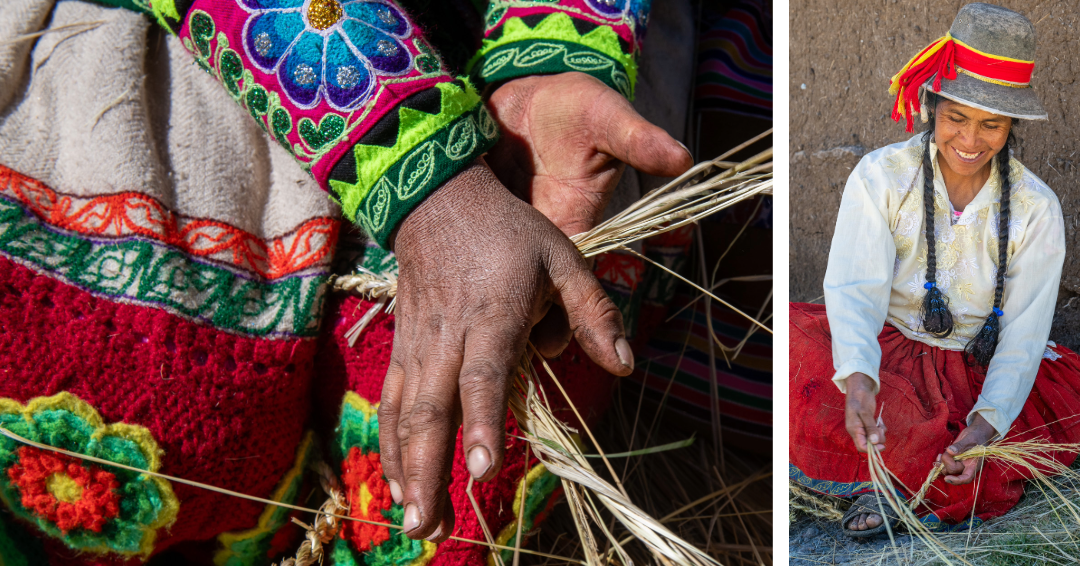
Qoya grass is being hand-made into rope strands for the bridge's reconstruction.
Yet, sometimes change comes swiftly. UNESCO recognition and social media have turned the reconstruction into a global attraction. Tourism brings both opportunity and tension. The four bridge communities once saw their work as service and solidarity. Now, some feel exploited and underappreciated as others benefit from the recent attention. This year, tensions escalated to the point that the reconstruction and accompanying festival were cancelled at the last moment, leaving both locals and tourists frustrated.
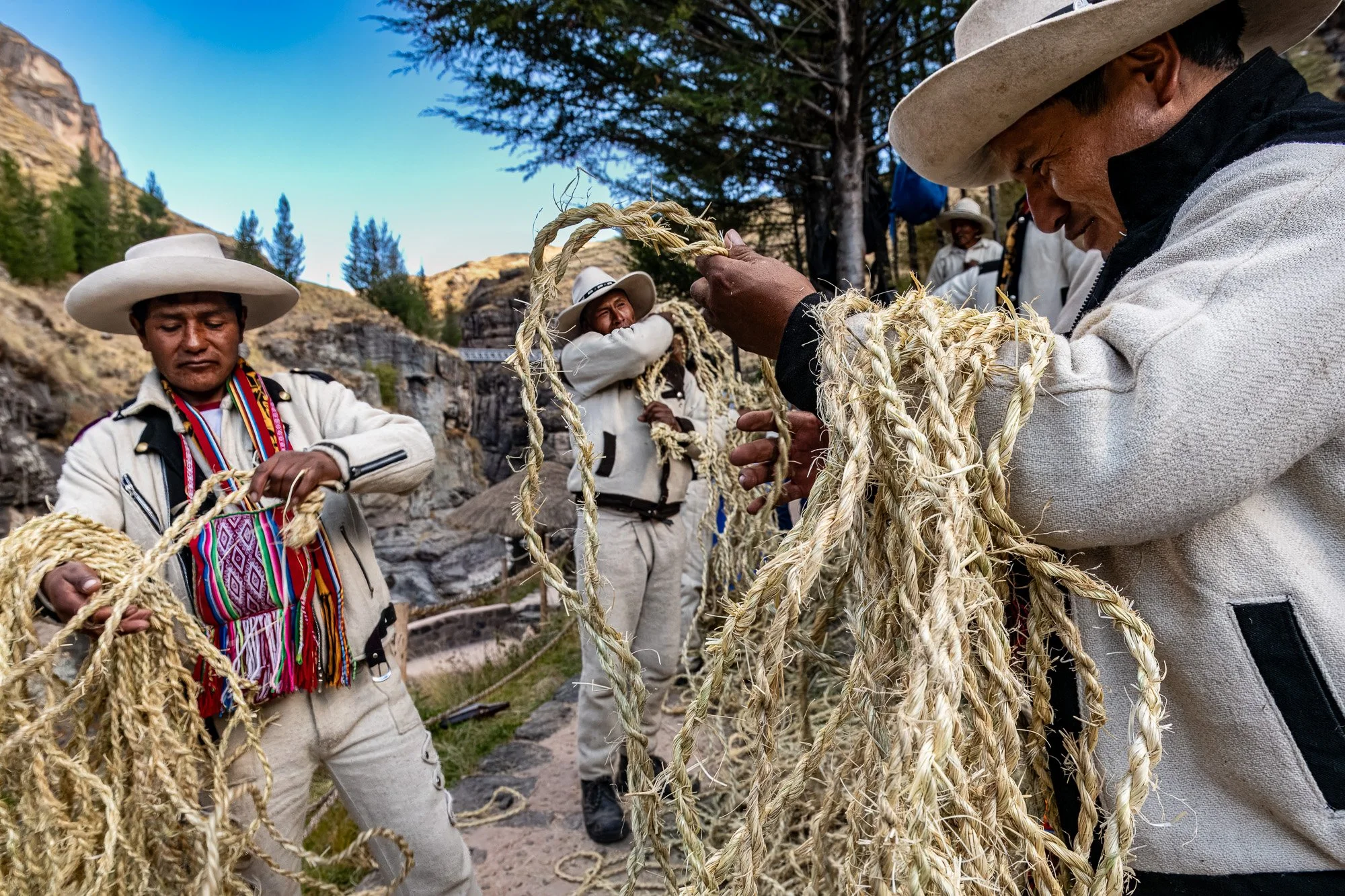
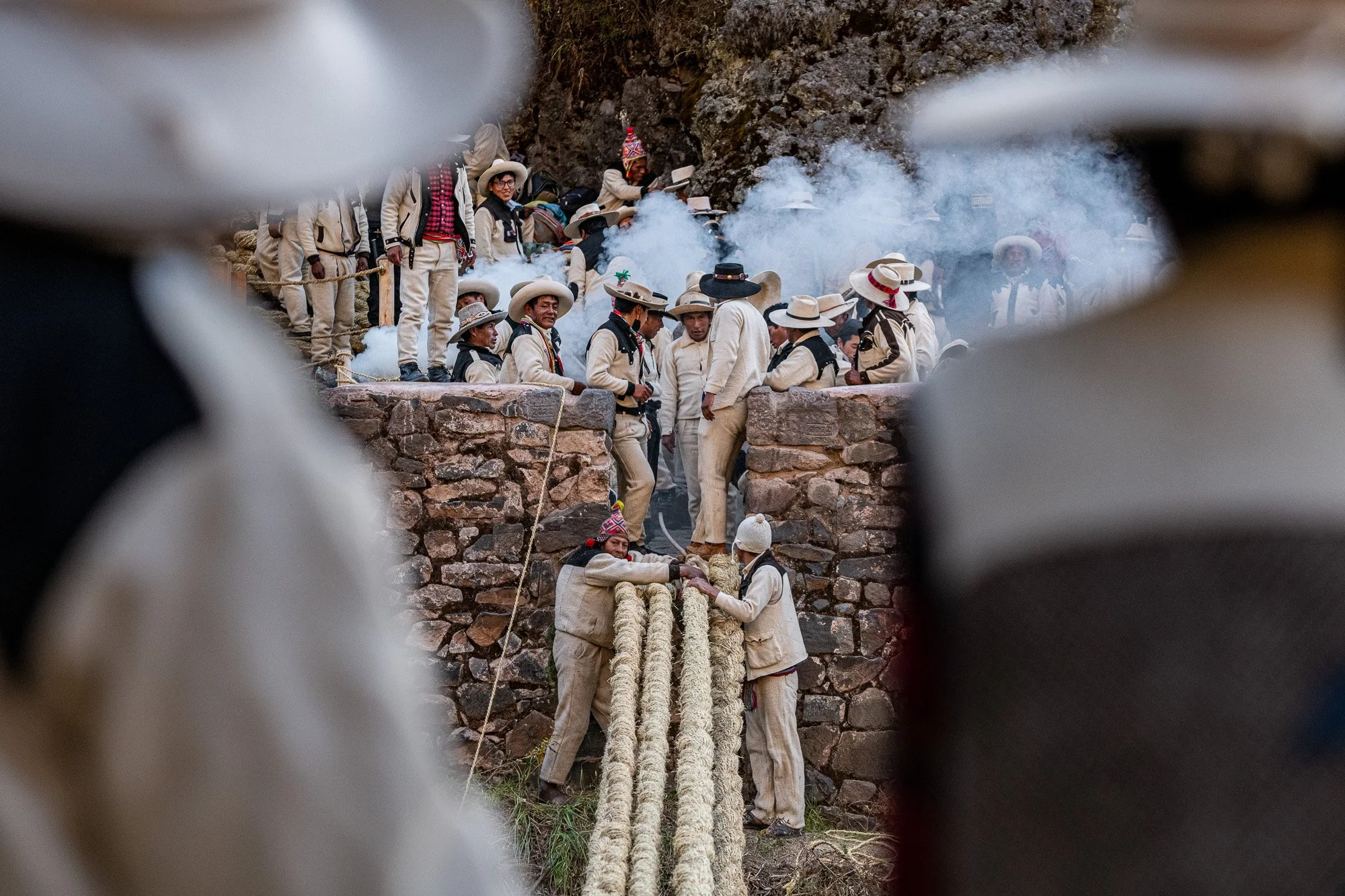
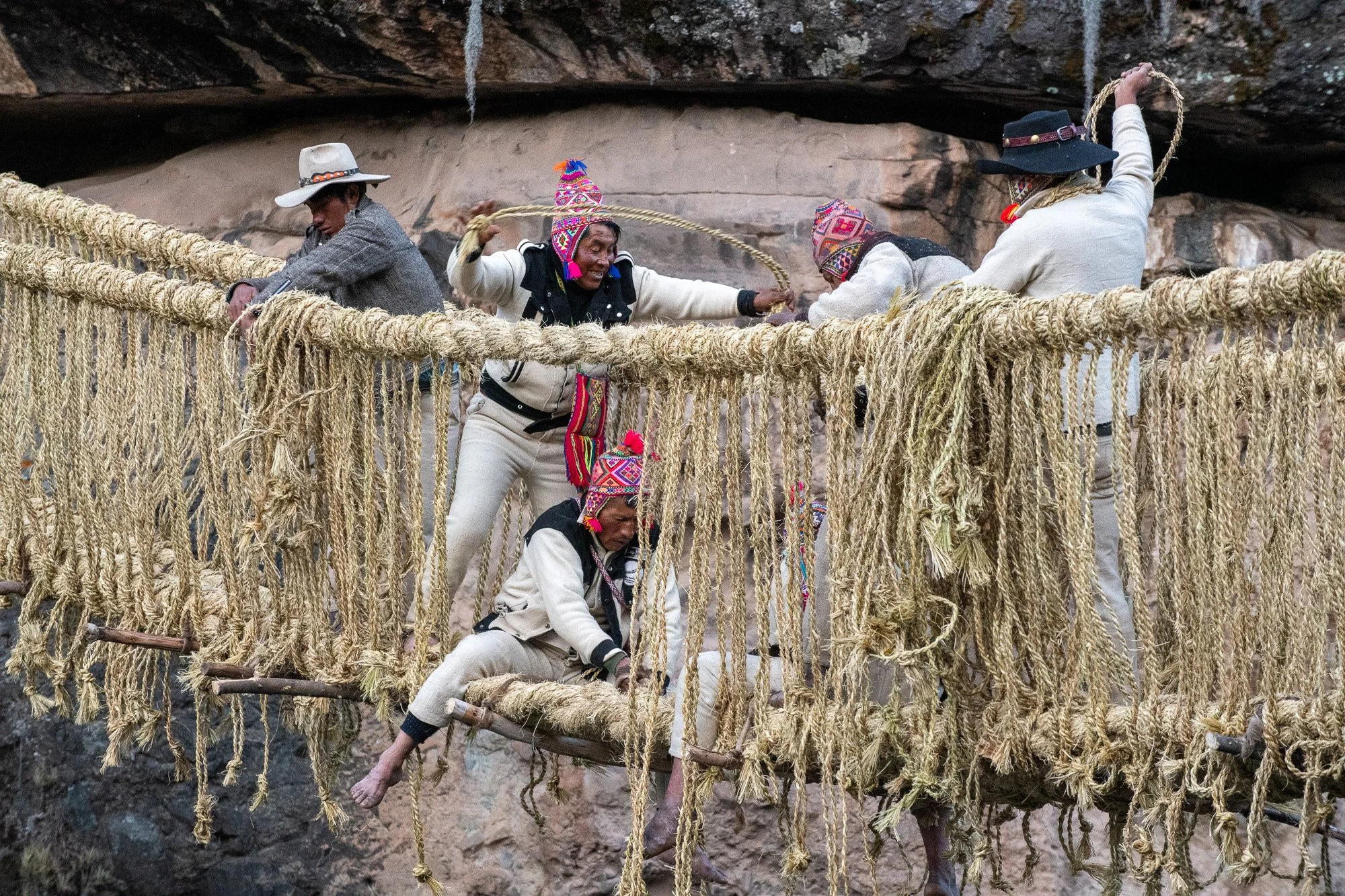
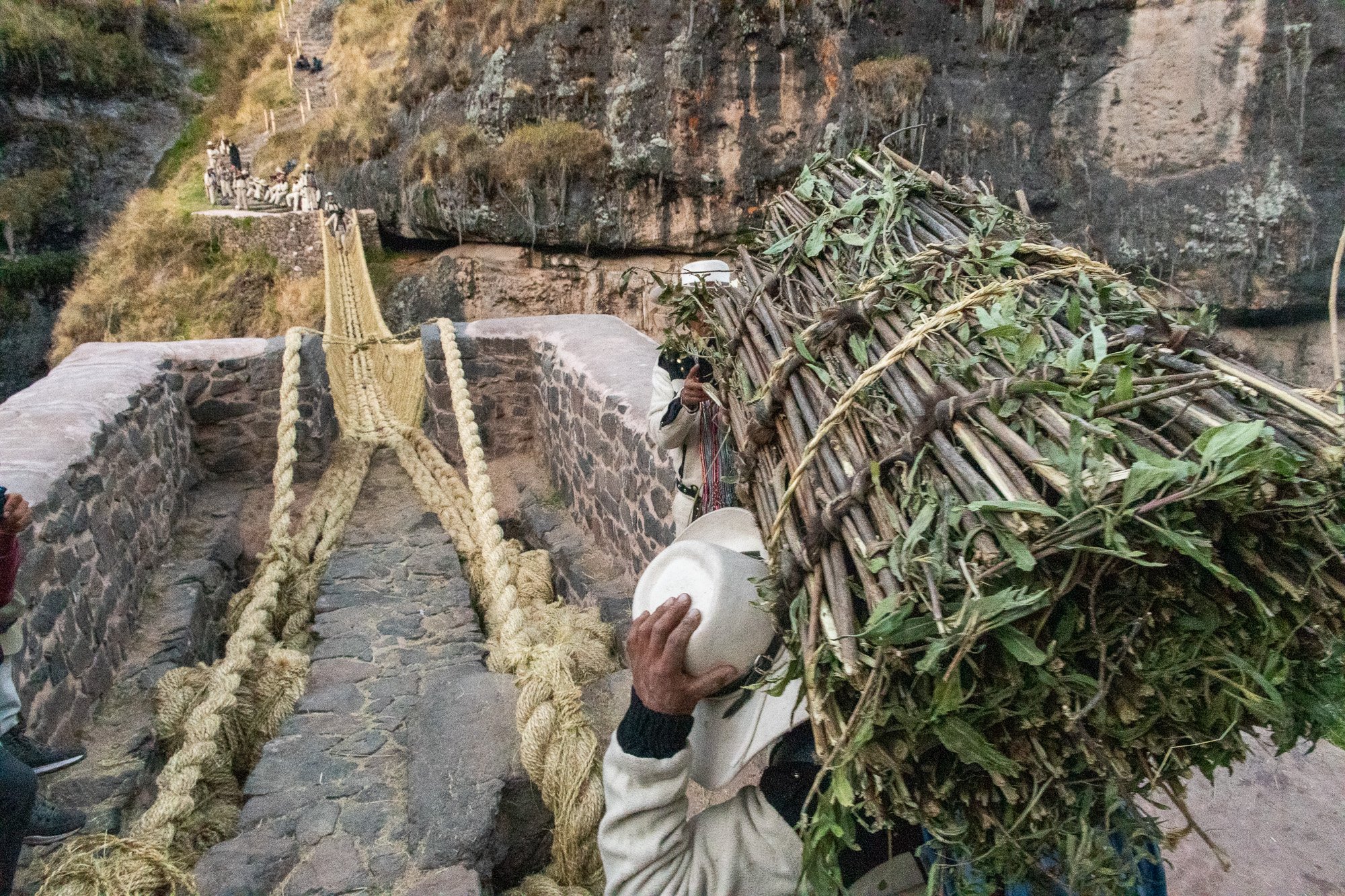
Men in their traditional Quehue clothing as they reconstruct the Q’eswachaka bridge.
The situation is complicated, and there are no simple solutions. The lack of direct funding for the communities’ work has sparked resentment and threatens the unity that this tradition is meant to uphold. Yet, there is hope that dialogue and cooperation can help these communities find a path forward—one that honours both the past and the evolving present, maintaining this cultural treasure and its accompanying spirit and intention.
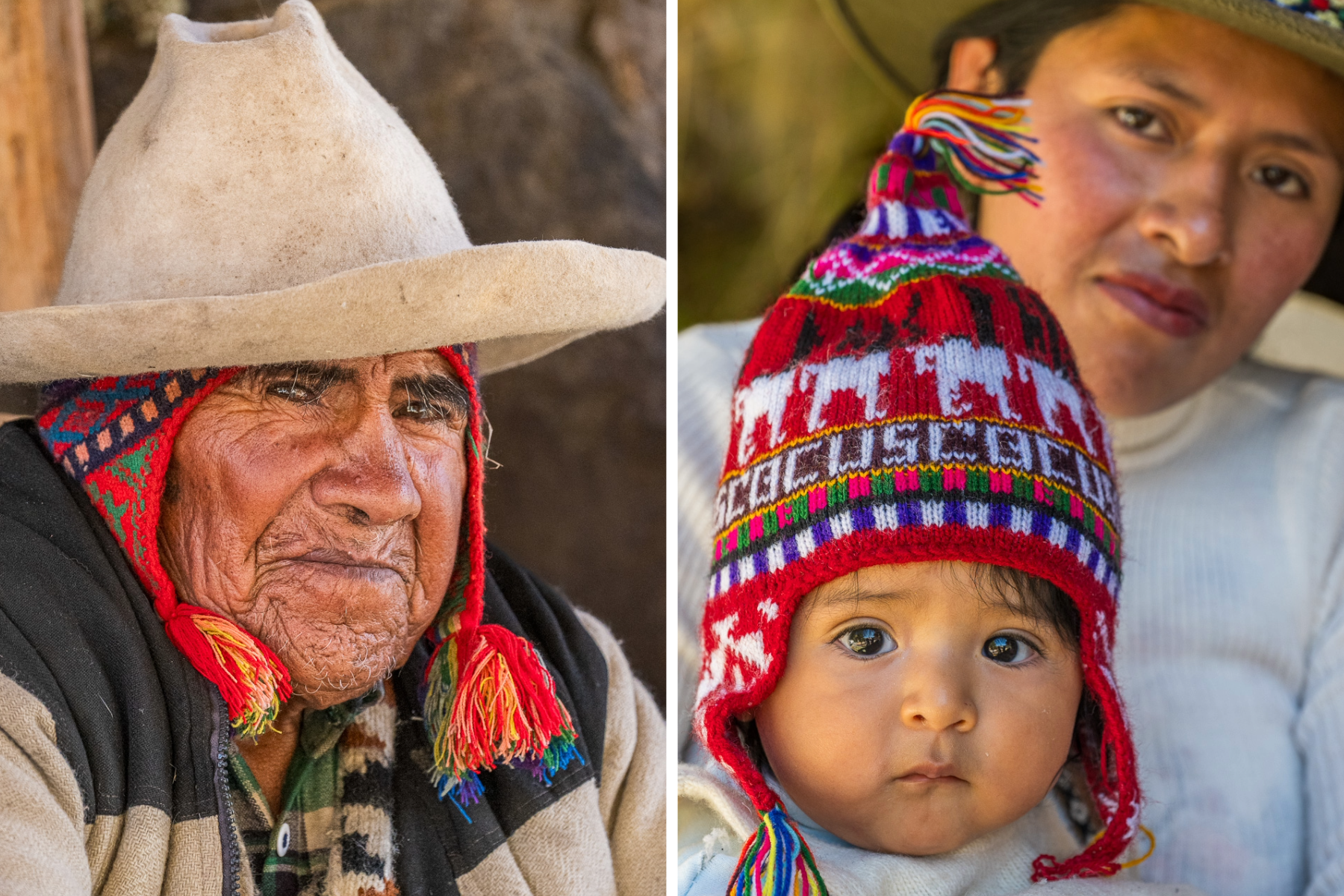
Portraits of a culture and the passing of knowledge from elders to youth.
This goes to the heart of my project: sharing a view into Quechua culture and the efforts to preserve it amid rapid transformation—to generate awareness and understanding of other cultures at a time when it is deeply necessary. These are the stories I believe that matter. Humanity is deeply intertwined, and the future depends on the choices we all make, together.
I would love to hear your thoughts and get your impression on the topic and the photos. Leave a comment below!
With gratitude,
MB