Ice, Water, and the Communities Below

The Quelccaya Ice Cap
A BRIEF UPDATE: Since I first posted this, a catastrophic glacial collapse and flood struck the Nepal-Tibet border, killing hundreds and leaving thousands missing, with towns buried under mud and rushing water in a matter of minutes. It is a devastating tragedy, and my heart goes out to everyone affected. It's also a stark reminder of the threat Saúl and the community around Huaraz live with every day—glaciers retreating under a warming climate, destabilizing the ice and water above towns that have little way to prepare for what comes next. The details differ from Palcacocha's, but the underlying danger is the same one this post is about. It's why this work, and the people documented in it, matter as much as they do…
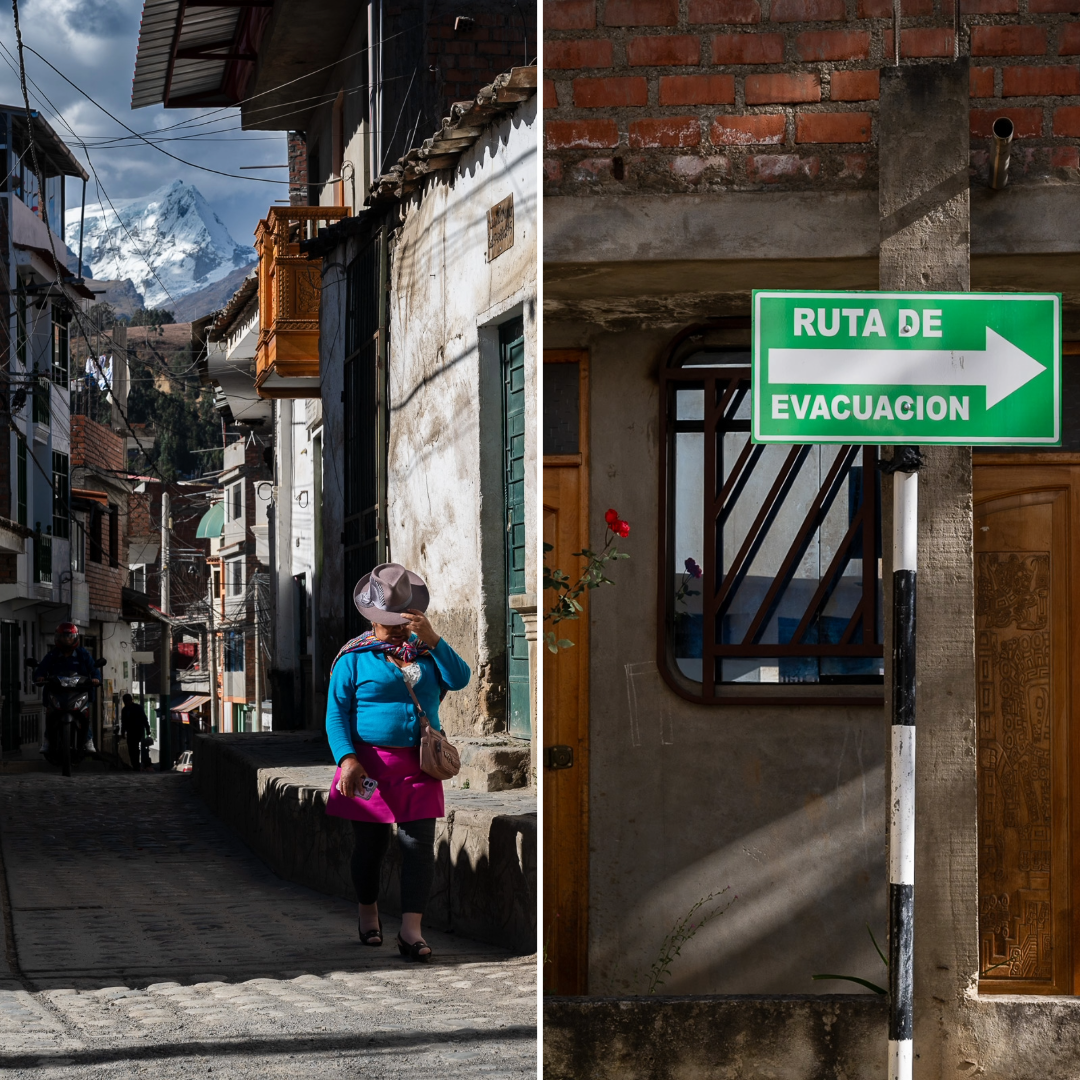
The streets of Huaraz lie below the glaciers of the Cordillera Blanca, and signs show the evacuation route in the event of flash flooding.
Greetings & Saludos!
In July, I travelled to Huaraz with my good friend Guido Mamani, a Quechua language translator who has become an invaluable companion on this project over the years. The trip had been on my mind for a while, but the timing finally came together through another friend: Doris Loayza.
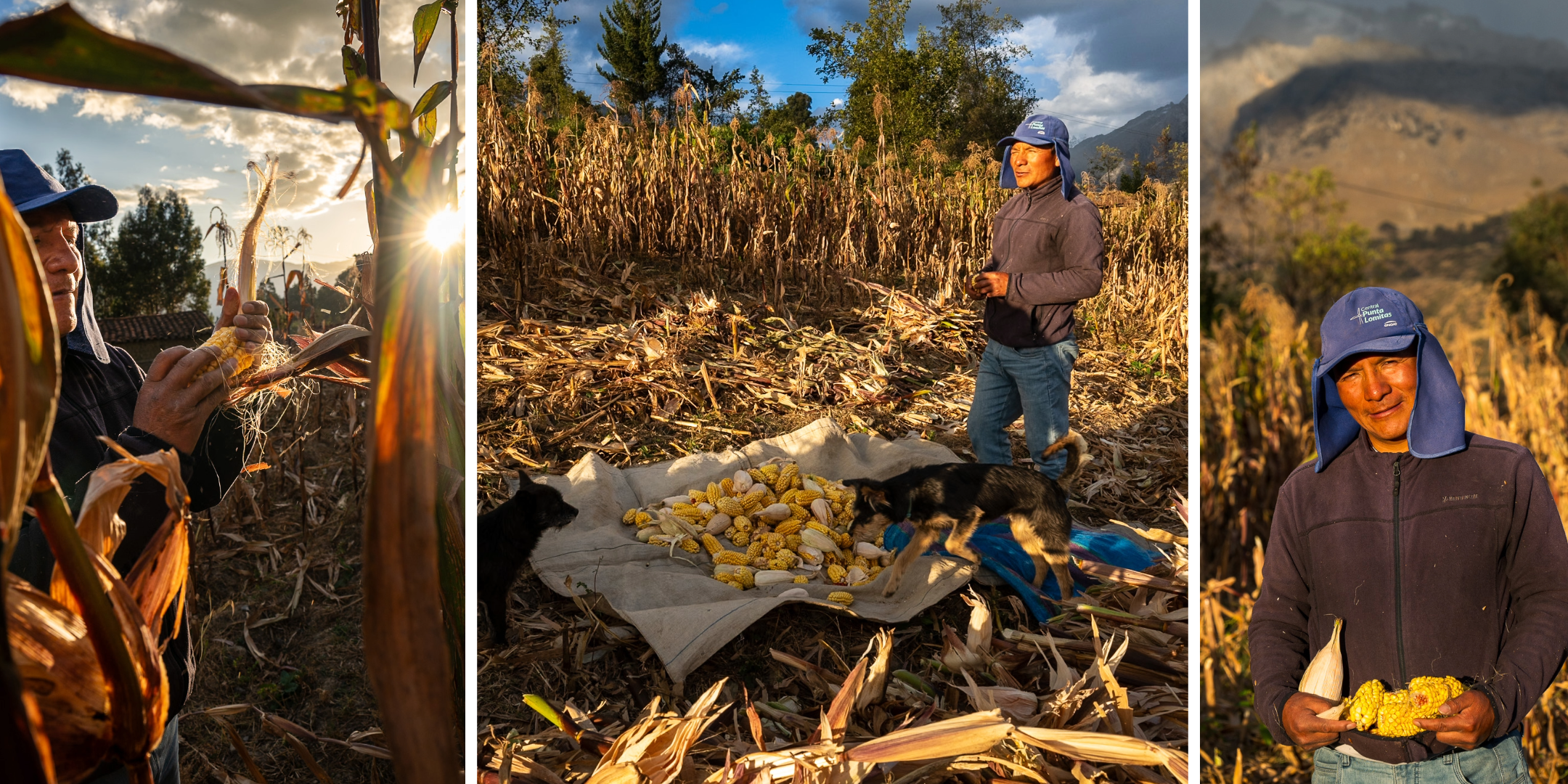
Saul harvesting maize on his family’s land below the Cordillera Blanca.
Guido introduced me to Doris last year. She's a Quechua professor at the University of Colorado, and for years she worked as a translator on projects connected to Saúl Luciano Lliuya — the Huaraz farmer and mountain guide known around the world for his landmark climate lawsuit against the German energy company RWE. When I learned Doris would be in Huaraz and that she could introduce me to Saúl while she was there, I knew I had to go, even though the trip was expensive and there was no guarantee it would come together in time.
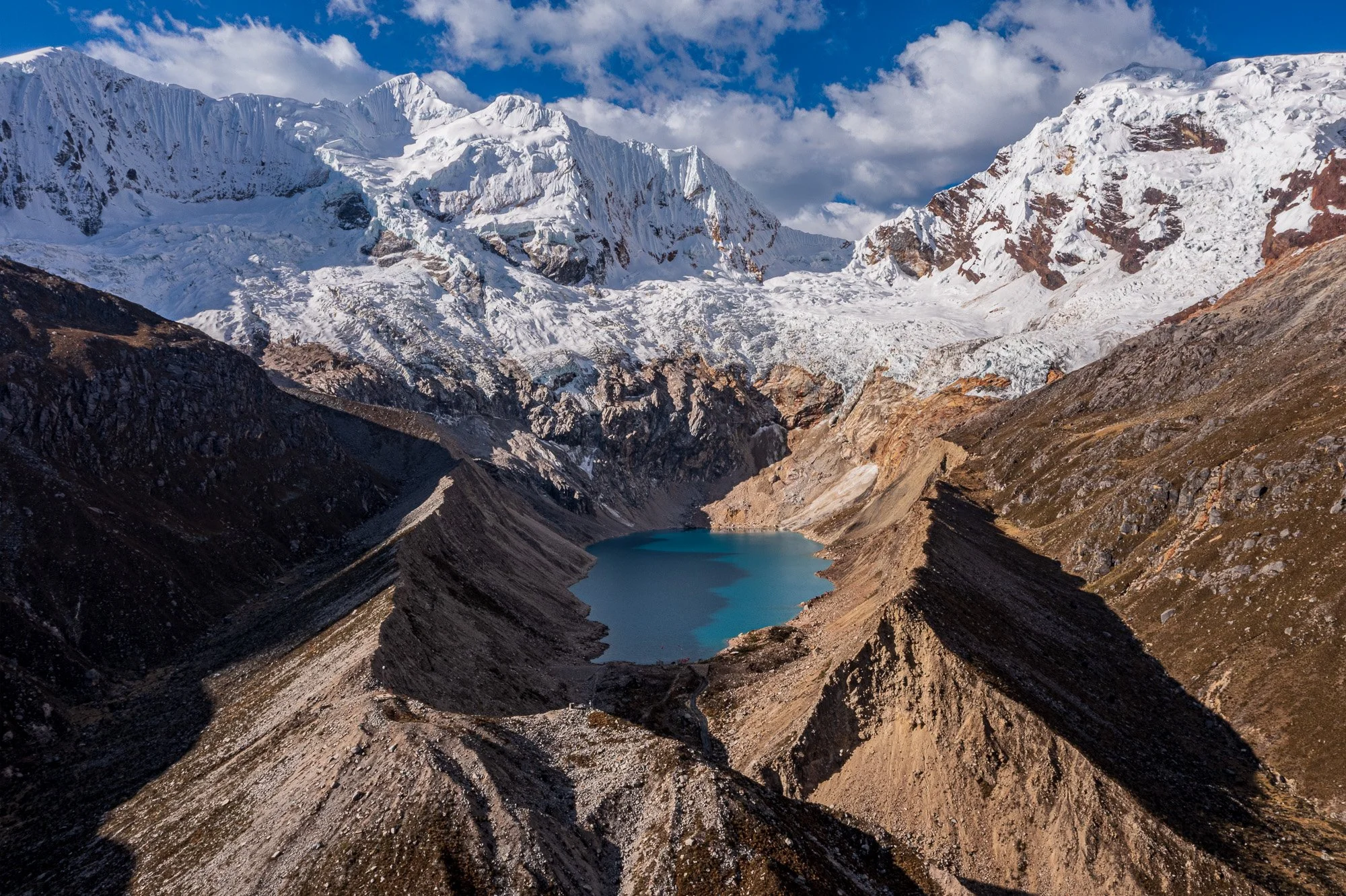
Laguna Palcacocha situated above Huaraz
I'm so glad I went. Saúl turned out to be exactly the kind of person you hope to meet on a project like this: warm, generous with his time, and genuinely welcoming. I spent time with him and his family, learned more about his story and the issues still facing the community, and — most memorably — visited Laguna Palcacocha and the surrounding glaciers with him. Walking that shoreline with the man who took on one of Europe's largest emitters over exactly this lake was not something I take for granted.
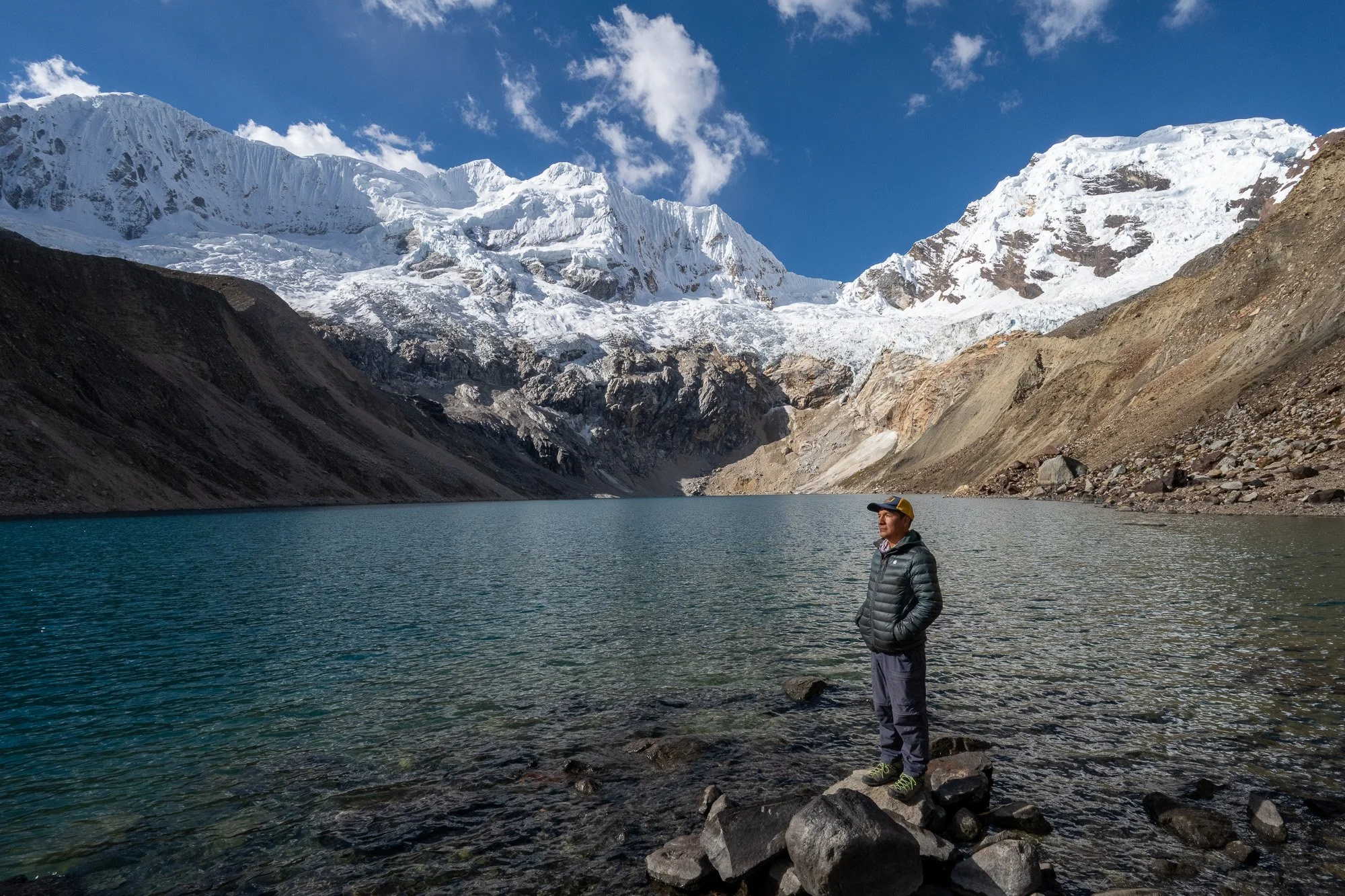
Saul at Laguna Palacacocha, which threatens his community if it breaches again.
While I was in Huaraz, I also reached out to Catriona Fyffe of the Institute of Science and Technology Austria, hoping she or her team could help me get access to Laguna Palcacocha, which is tightly controlled. I'd met Catriona and some of her ISTA colleagues last year, when I travelled with them to the Quelccaya Ice Cap to document their work on glacial change. As it turned out, they weren't working in the Laguna Palcacocha area at the time, so that particular door didn't open. Instead, it was Guido who came through — using his own connections and know-how to get us the access we needed to the lake.
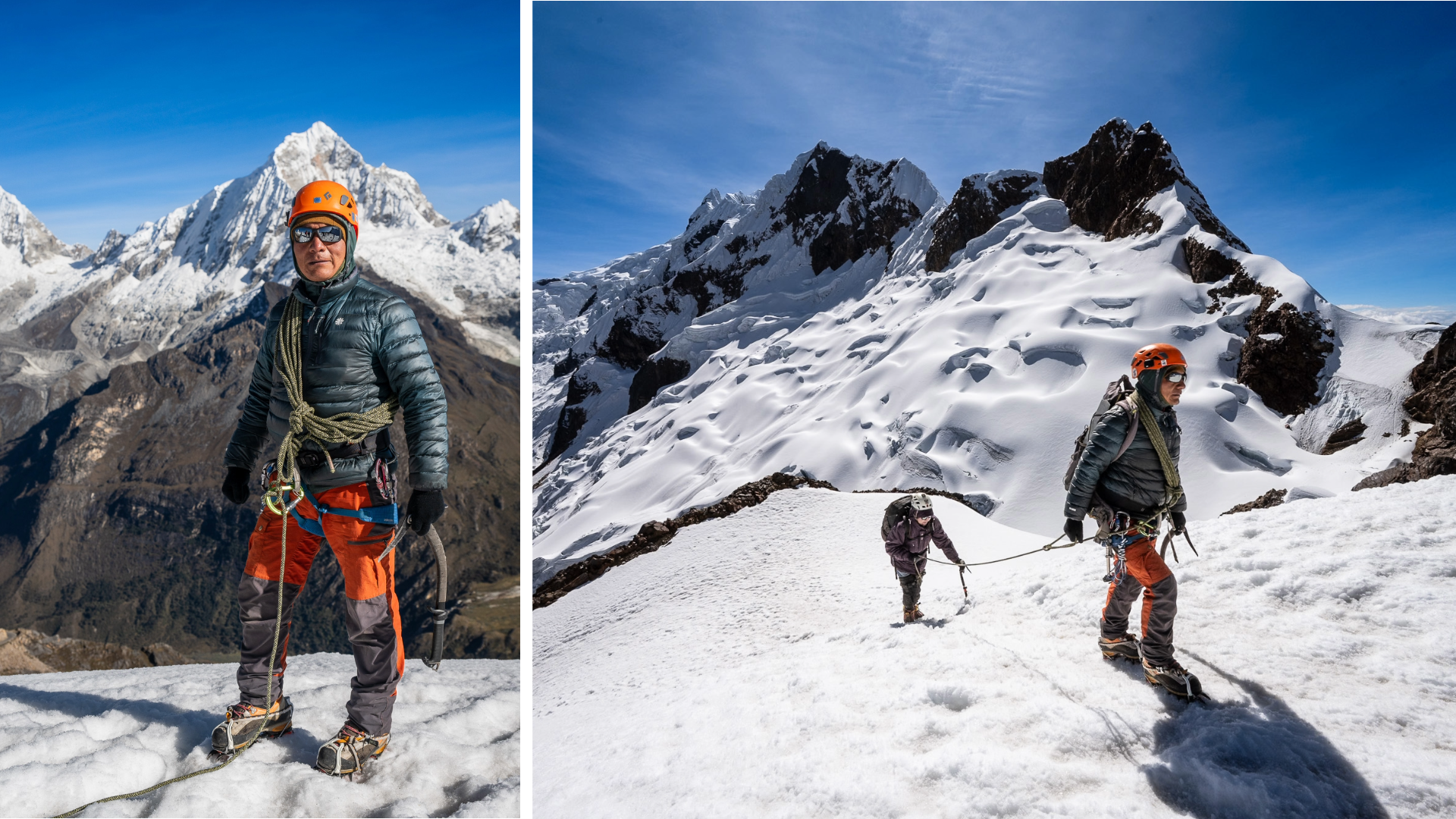
Saul works part of the year as a mountain guide
Then came one of those moments that make this kind of work feel like more than coincidence: just as I messaged Catriona, she was about to message me. Her team was on their way to Huaraz from Austria in a matter of days, and we arranged to meet while we were both in the area. What started as a conversation about their research turned into something more — Catriona wanted to talk about hiring me to document some of the work ISTA would be doing in Peru that season.
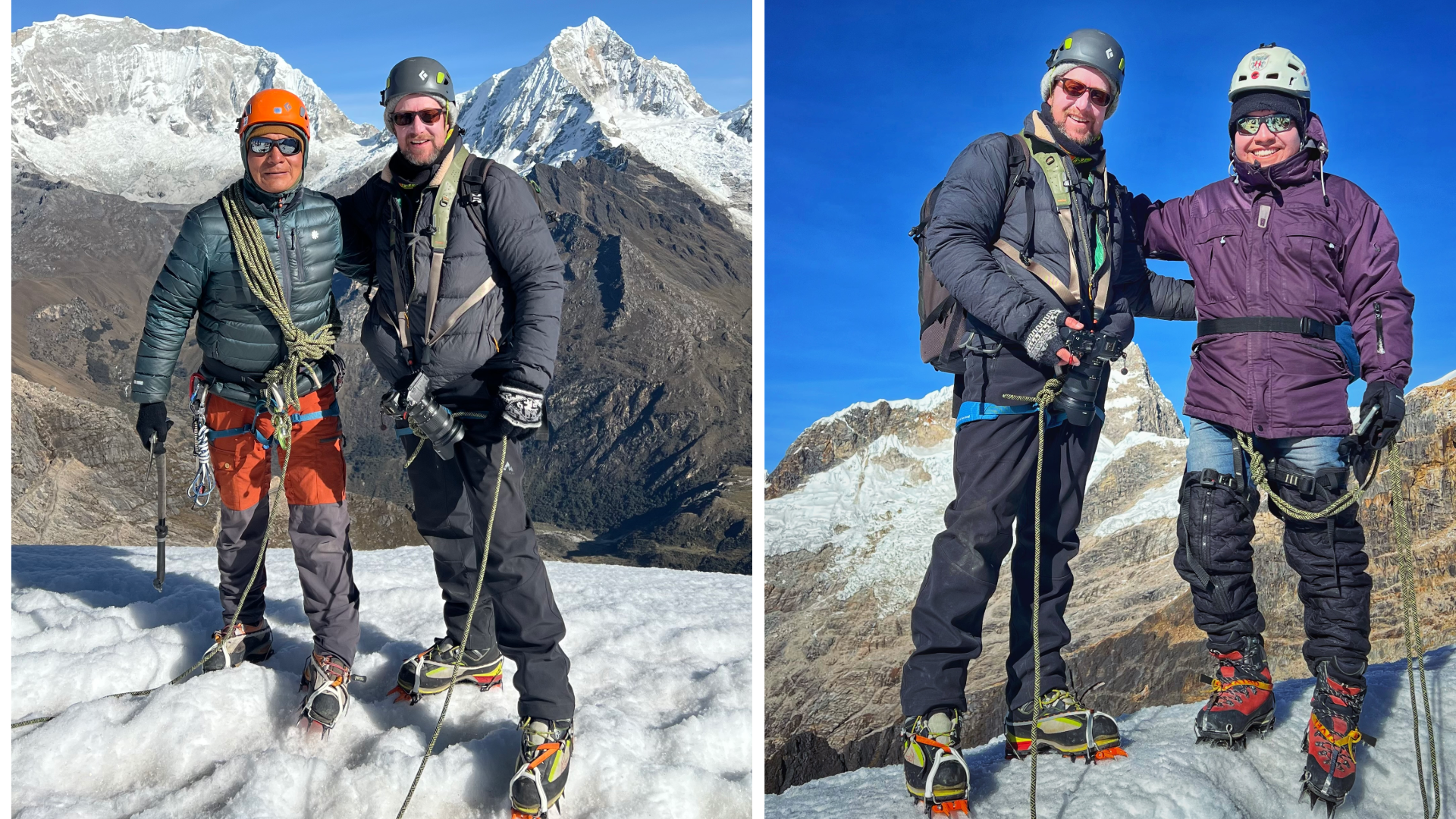
Photographer Michael Bednar with Saul and Guido in the Cordillera Blanca.
Catriona works within the Cryosphere and Mountain Hydrosphere group at ISTA, led by Francesca Pellicciotti, whose research looks at how a changing climate is reshaping glaciers, snow, and mountain water resources — from debris-covered glaciers to the role high-elevation ice plays in water security during megadroughts. The group works across scales, from single glaciers to entire mountain ranges, and across geographies, from Nepal to Chile, the Himalayas to the Andes. They're even studying one of the strange exceptions to the global trend: the glaciers of the Pamir-Karakoram region in Asia, which, unlike almost everywhere else, are growing.
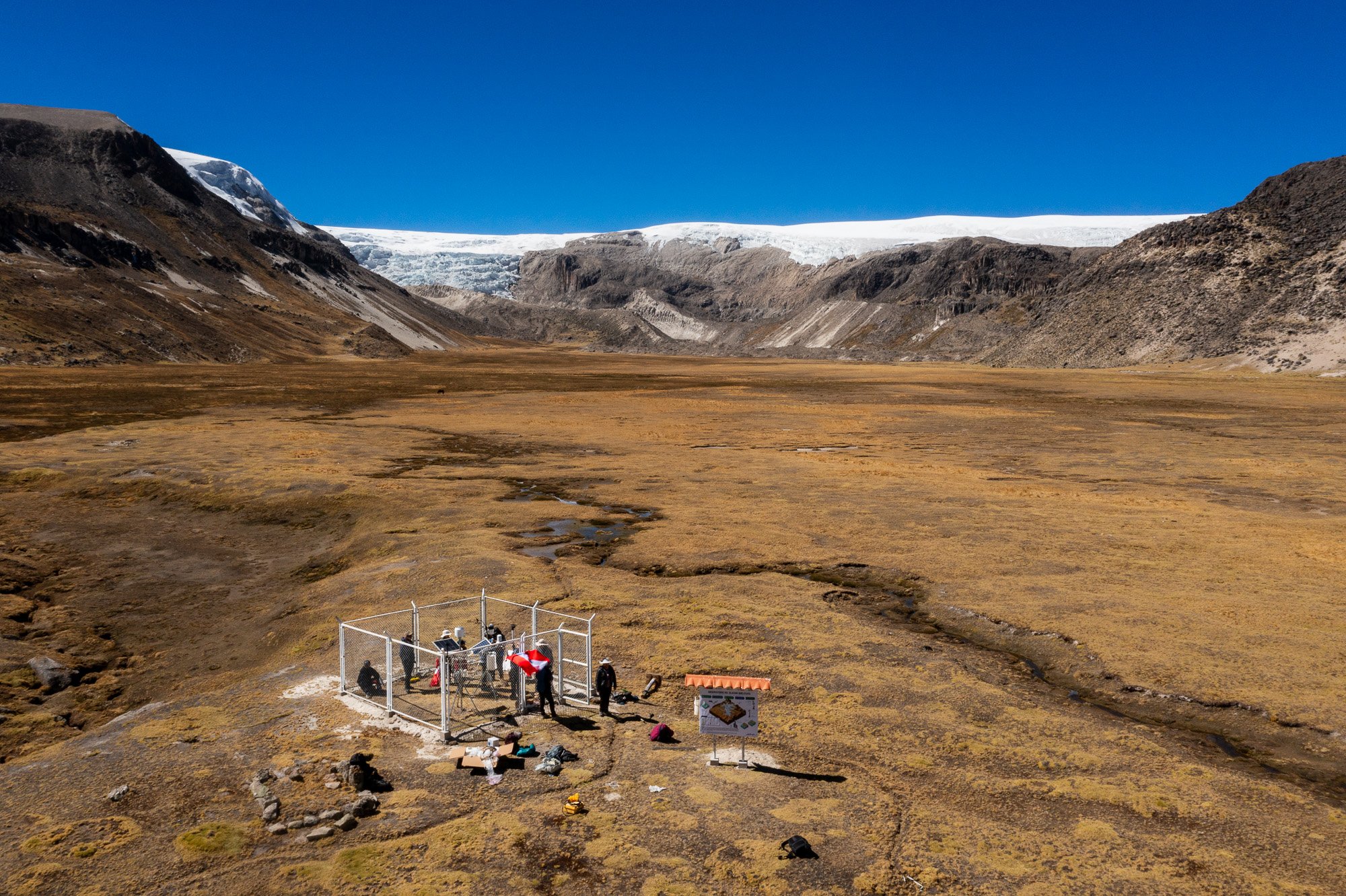
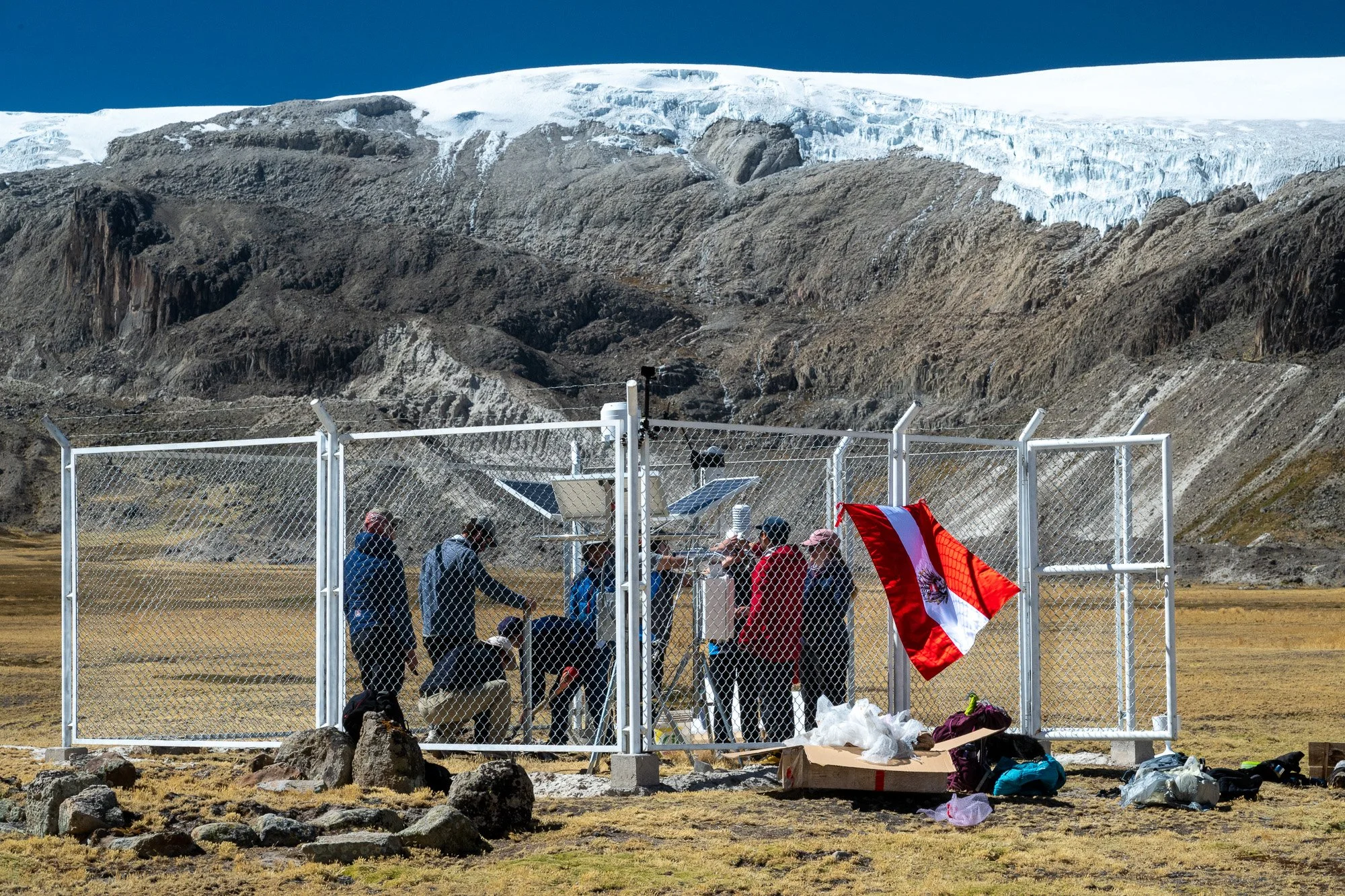
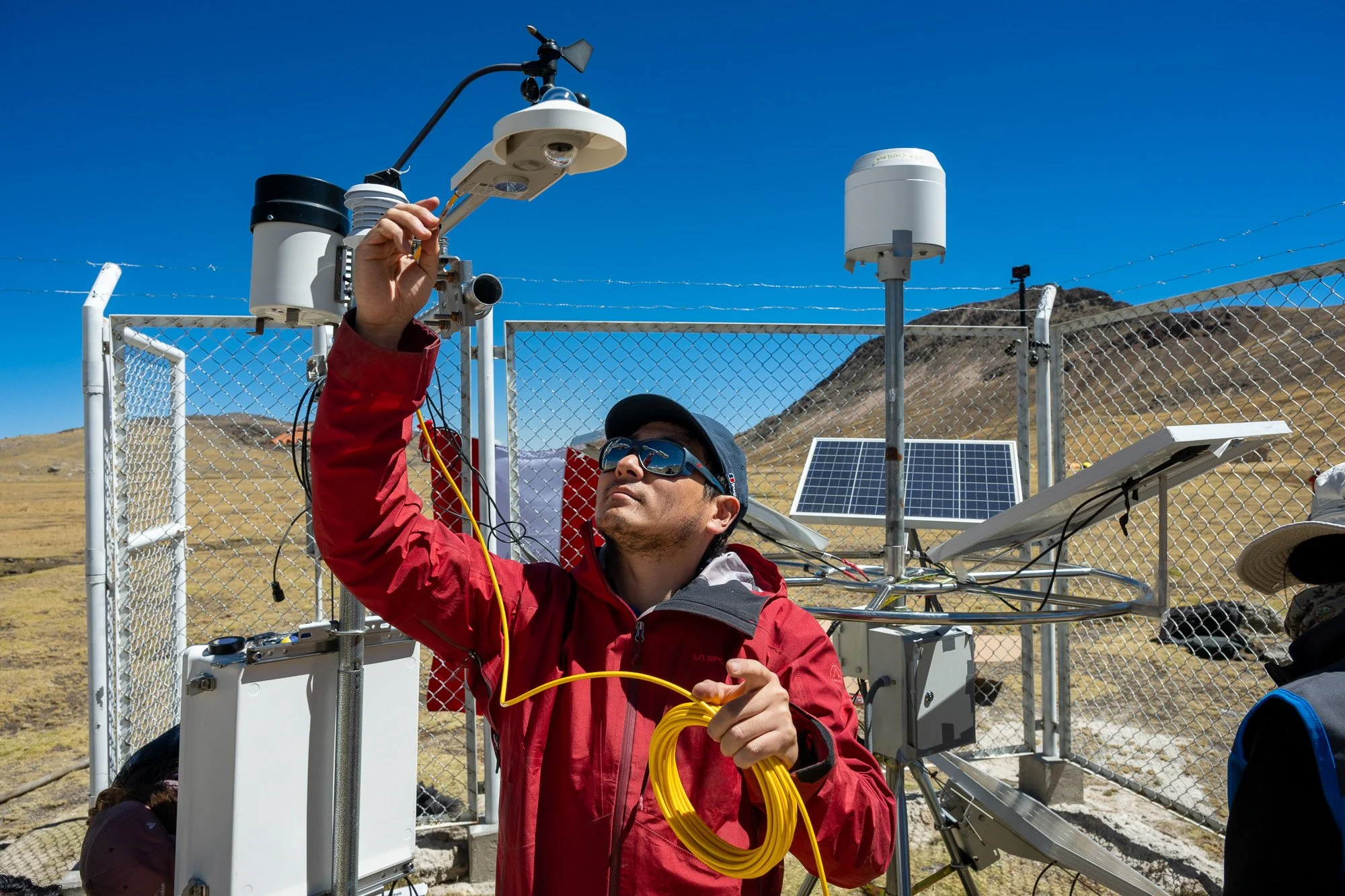
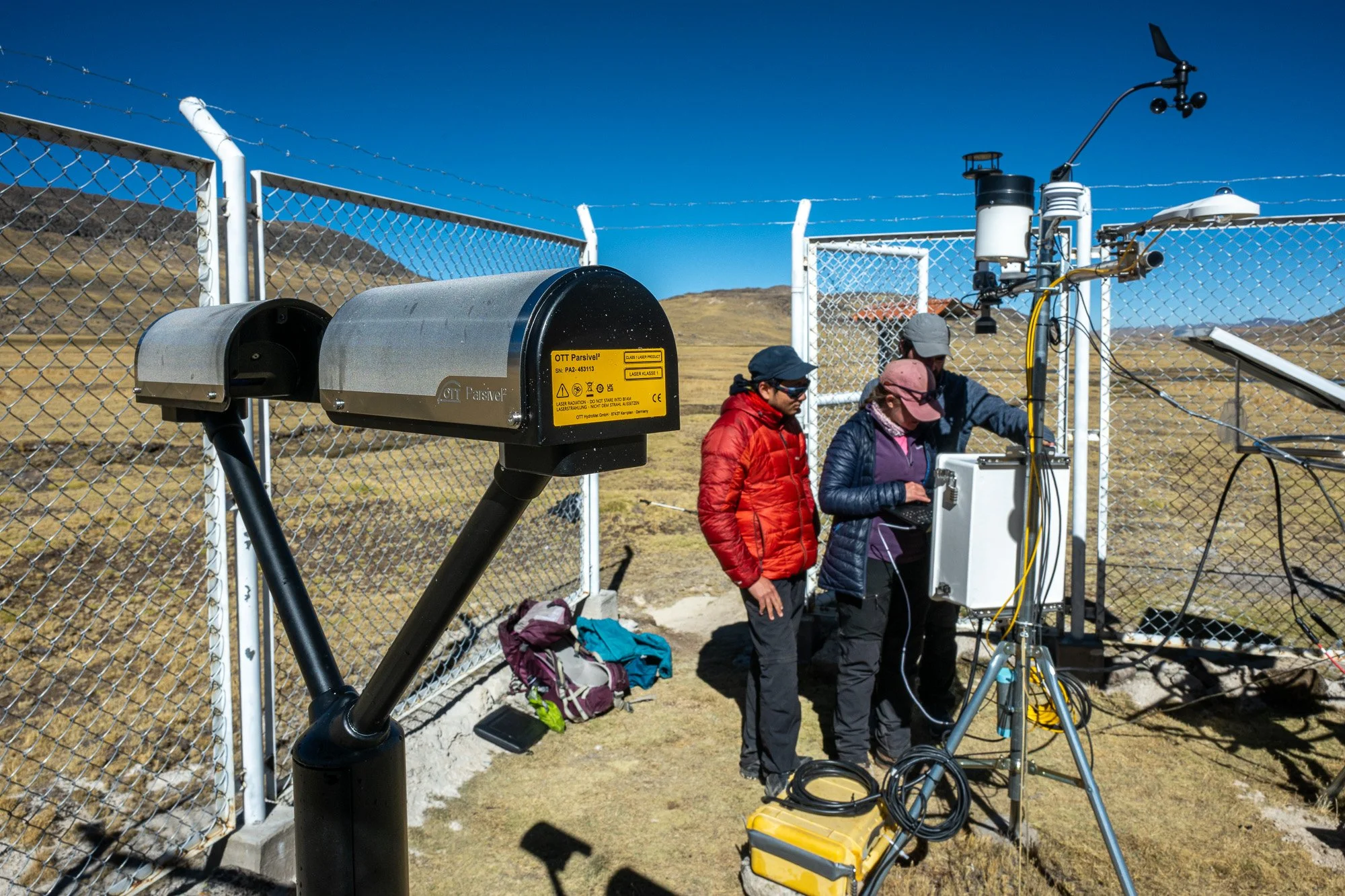
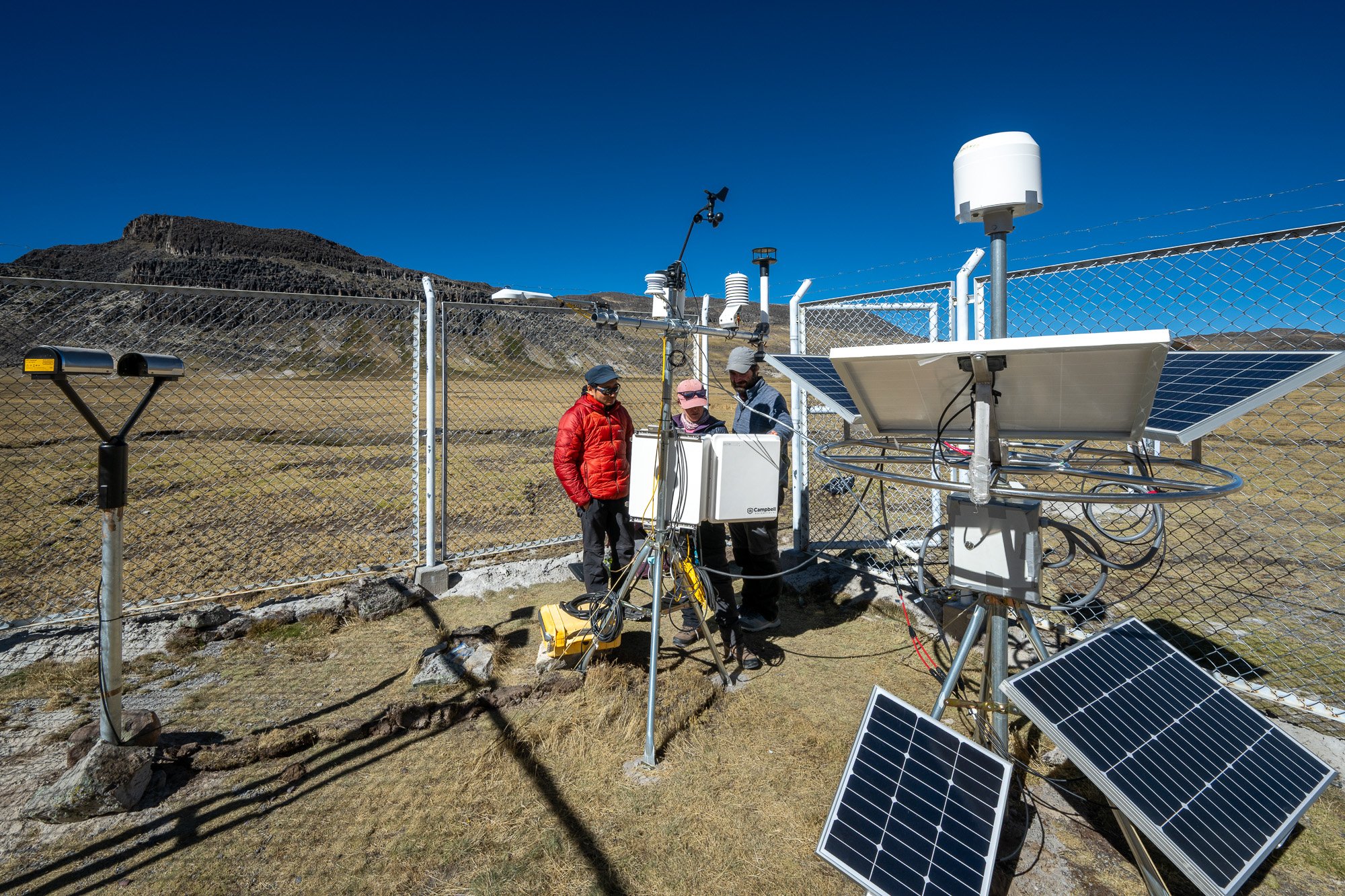
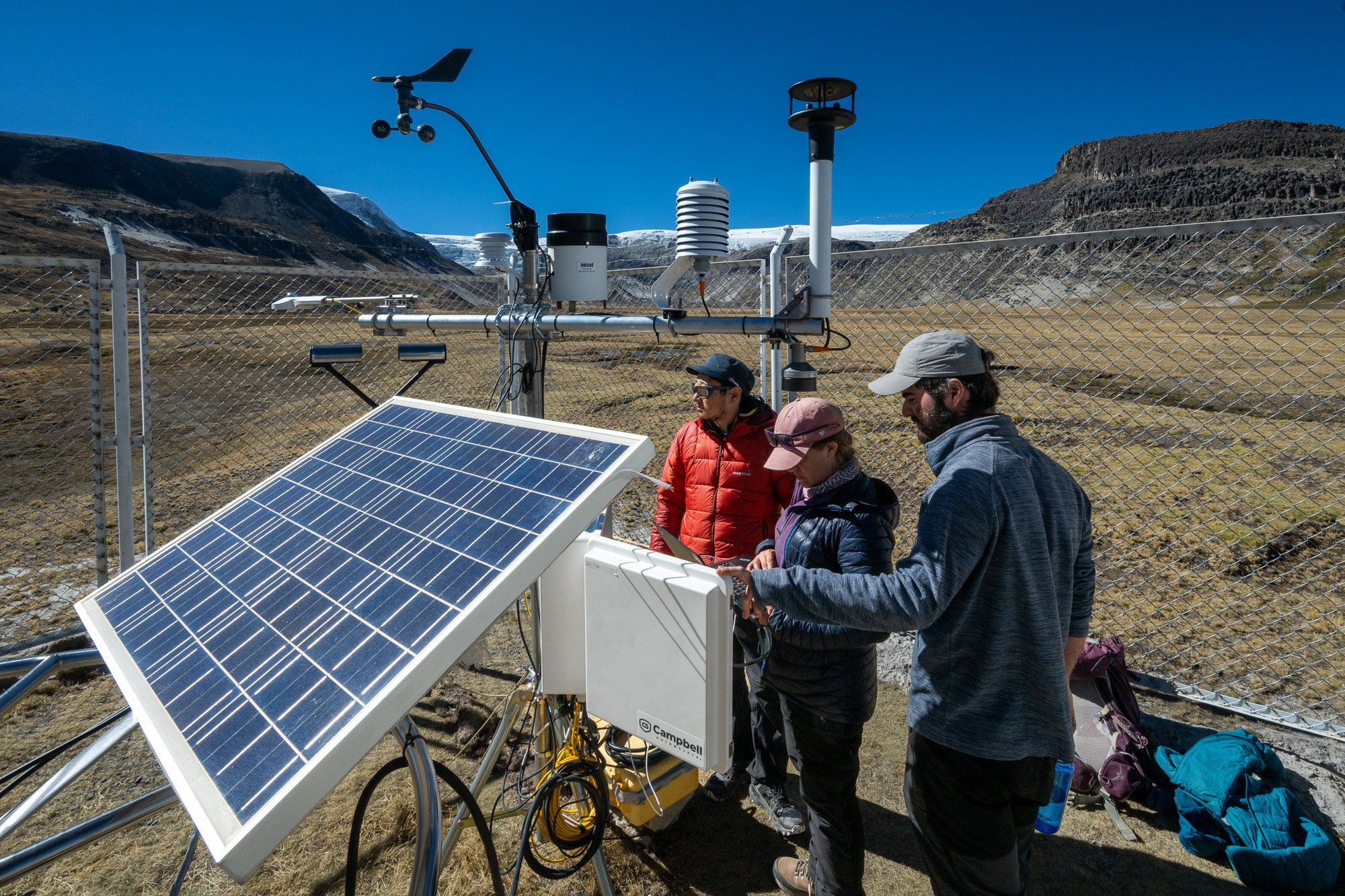
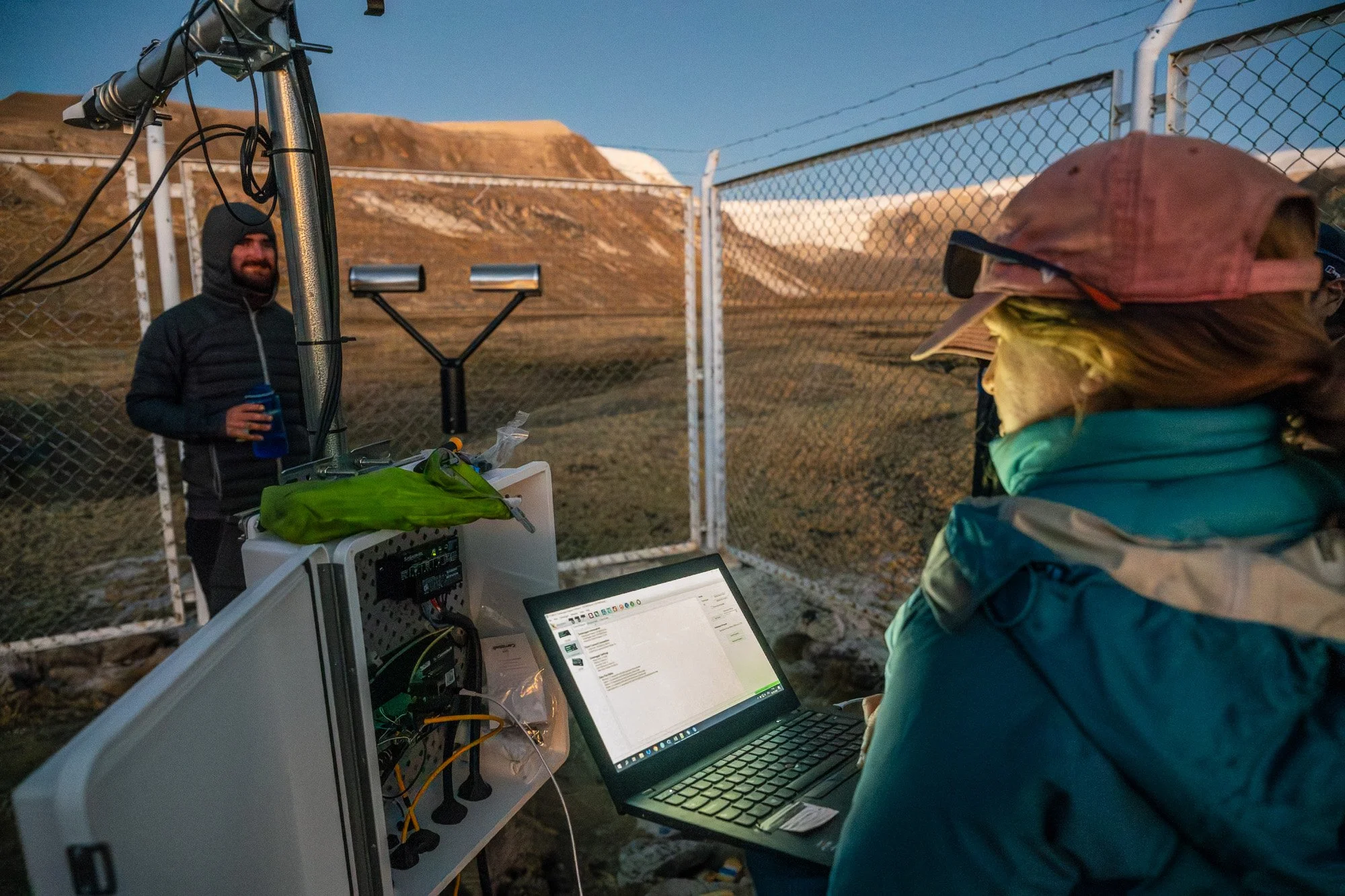
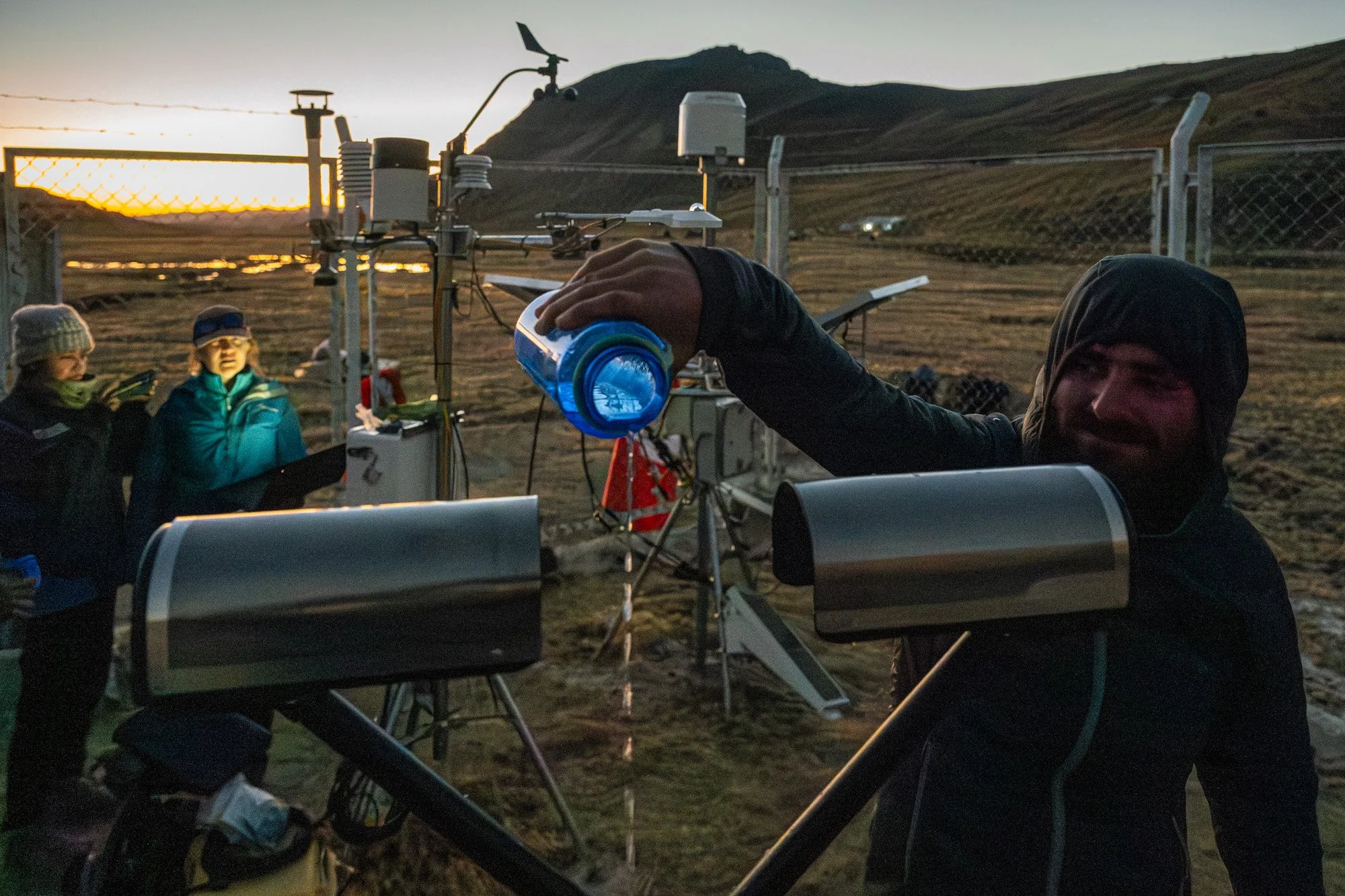
That conversation became a plan: I would travel with the ISTA team to the Quelccaya Ice Cap in early August, spending a week documenting their work installing new monitoring equipment. Our base camp sat at the foot of the Qori Kalis glacier, at 5,150 metres, and much of the work took place on top of the ice cap itself, at 5,640 metres — 18,500 feet, higher than Everest Base Camp and the highest elevation I've personally reached. I travelled alongside glaciologists from ISTA and from Peru's INAIGEM, researchers studying how glaciers around the world are behaving as they recede, and what that retreat means for the communities living below them.
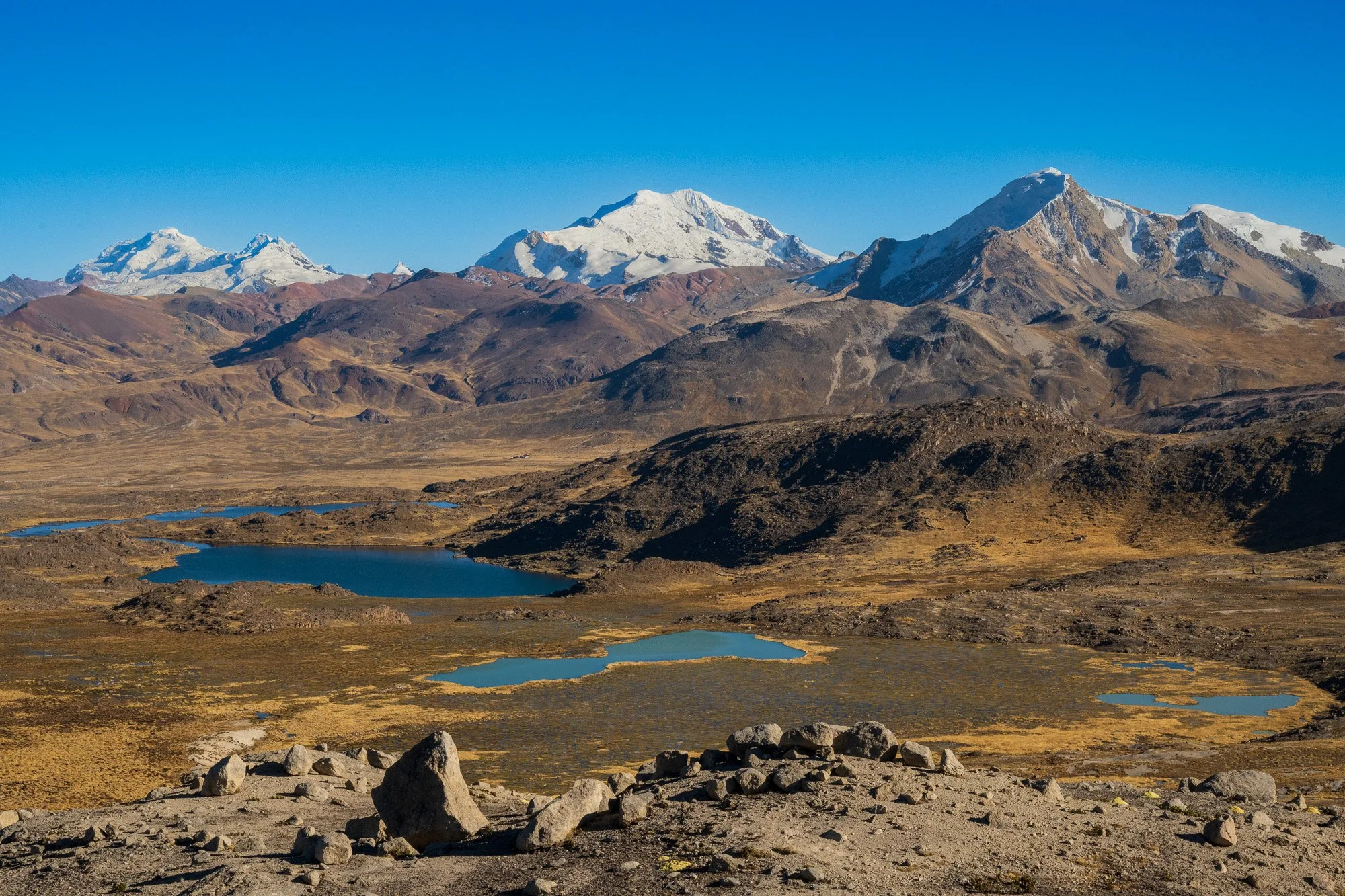
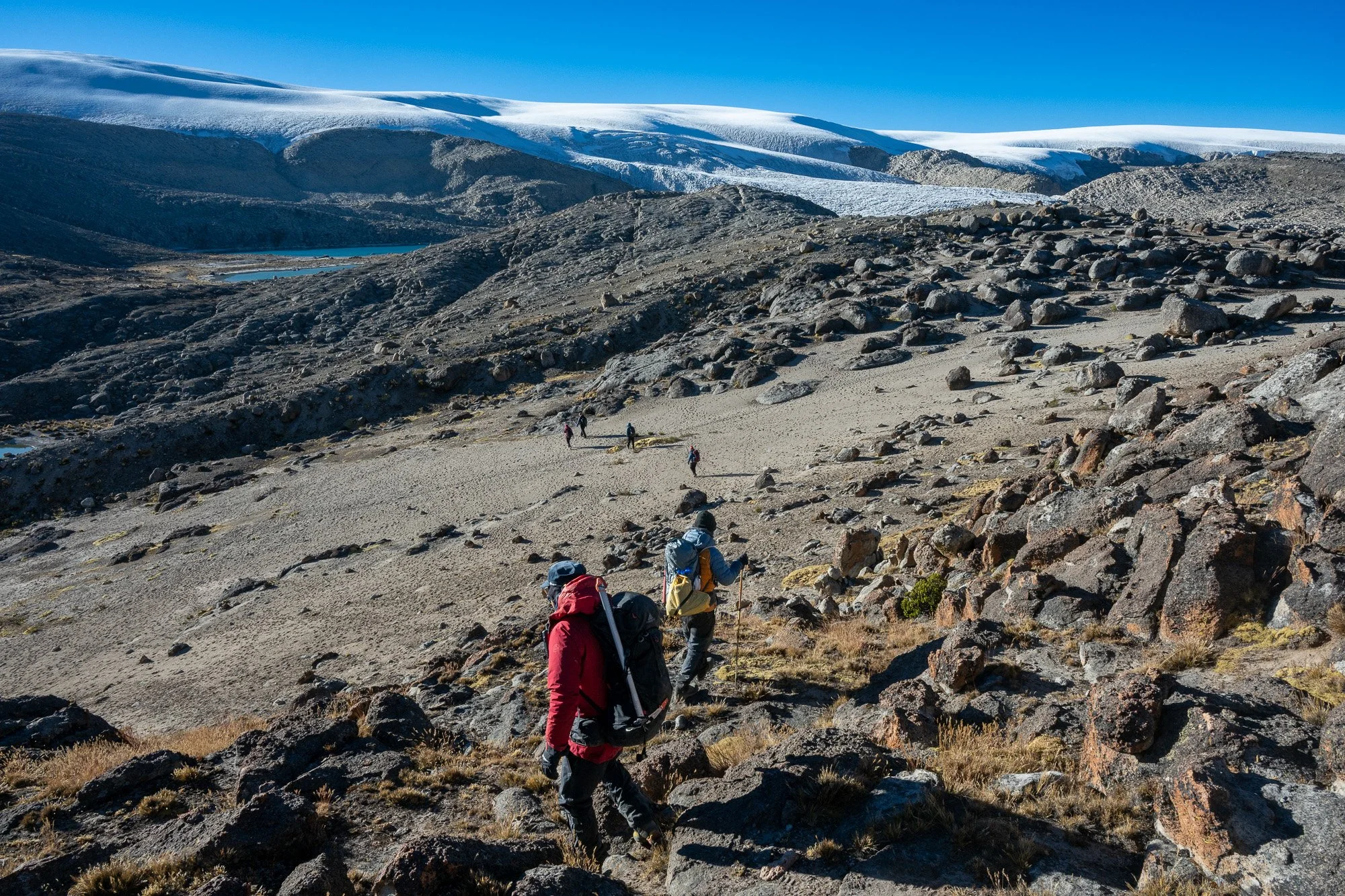
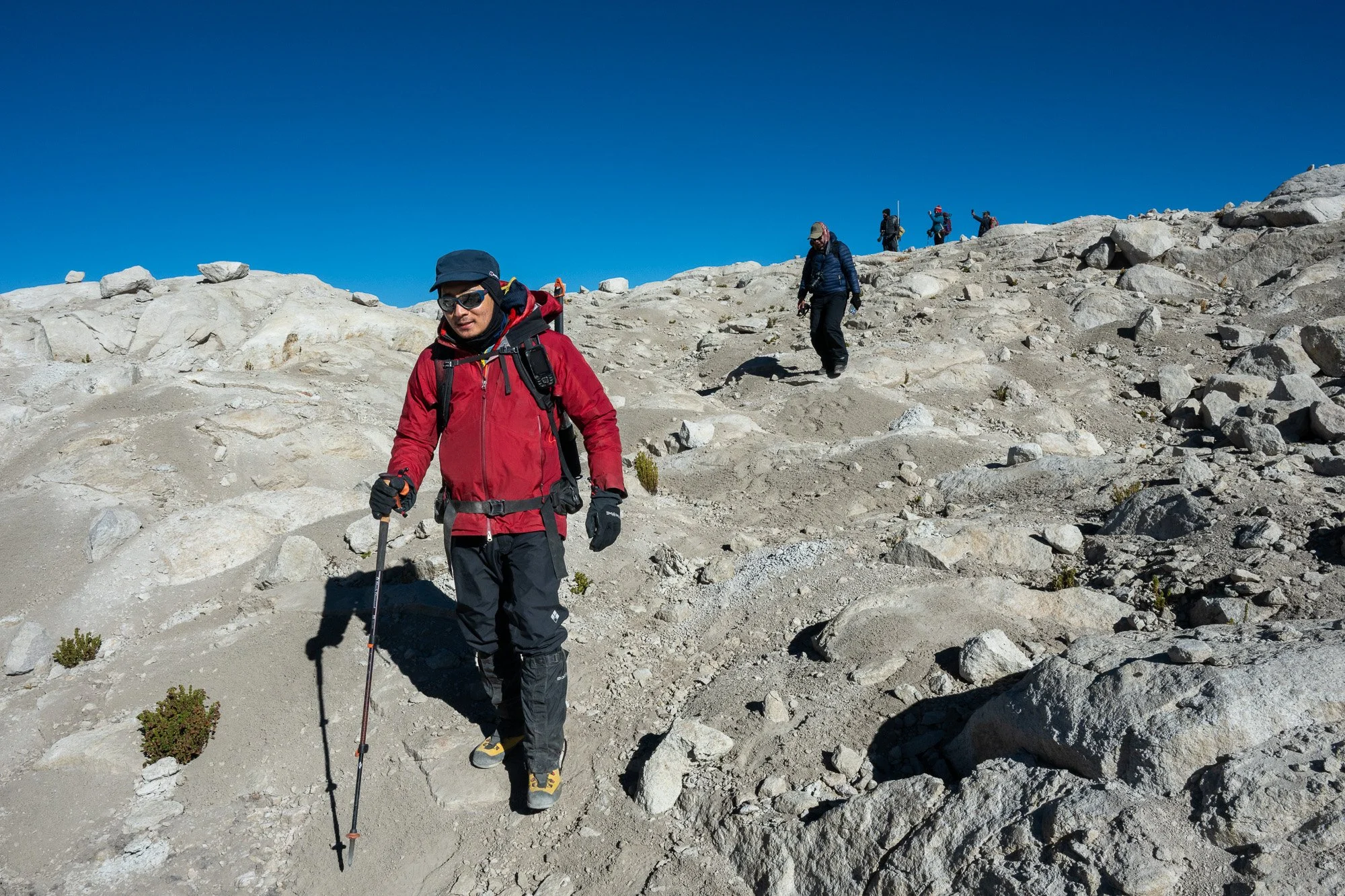
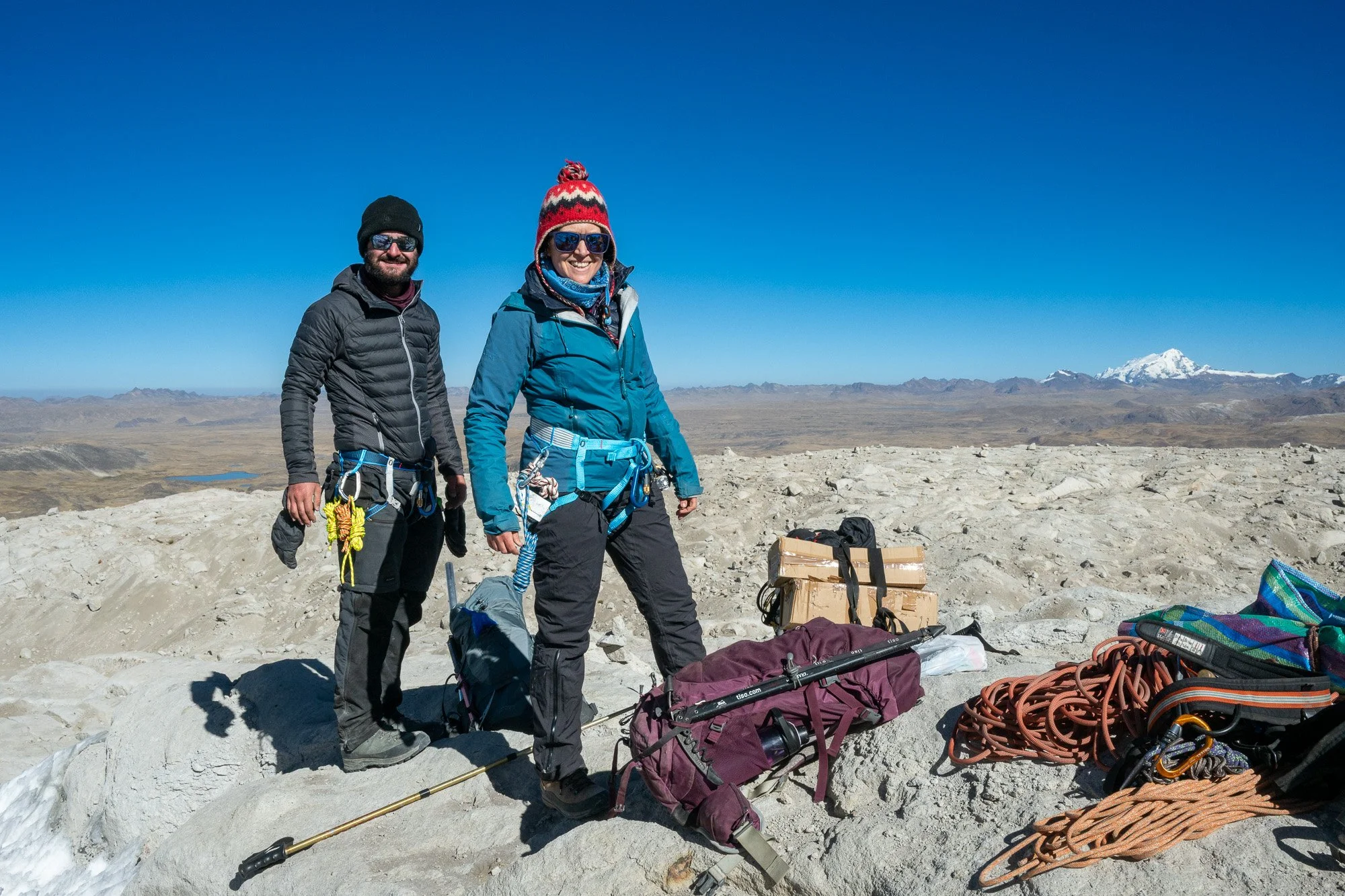
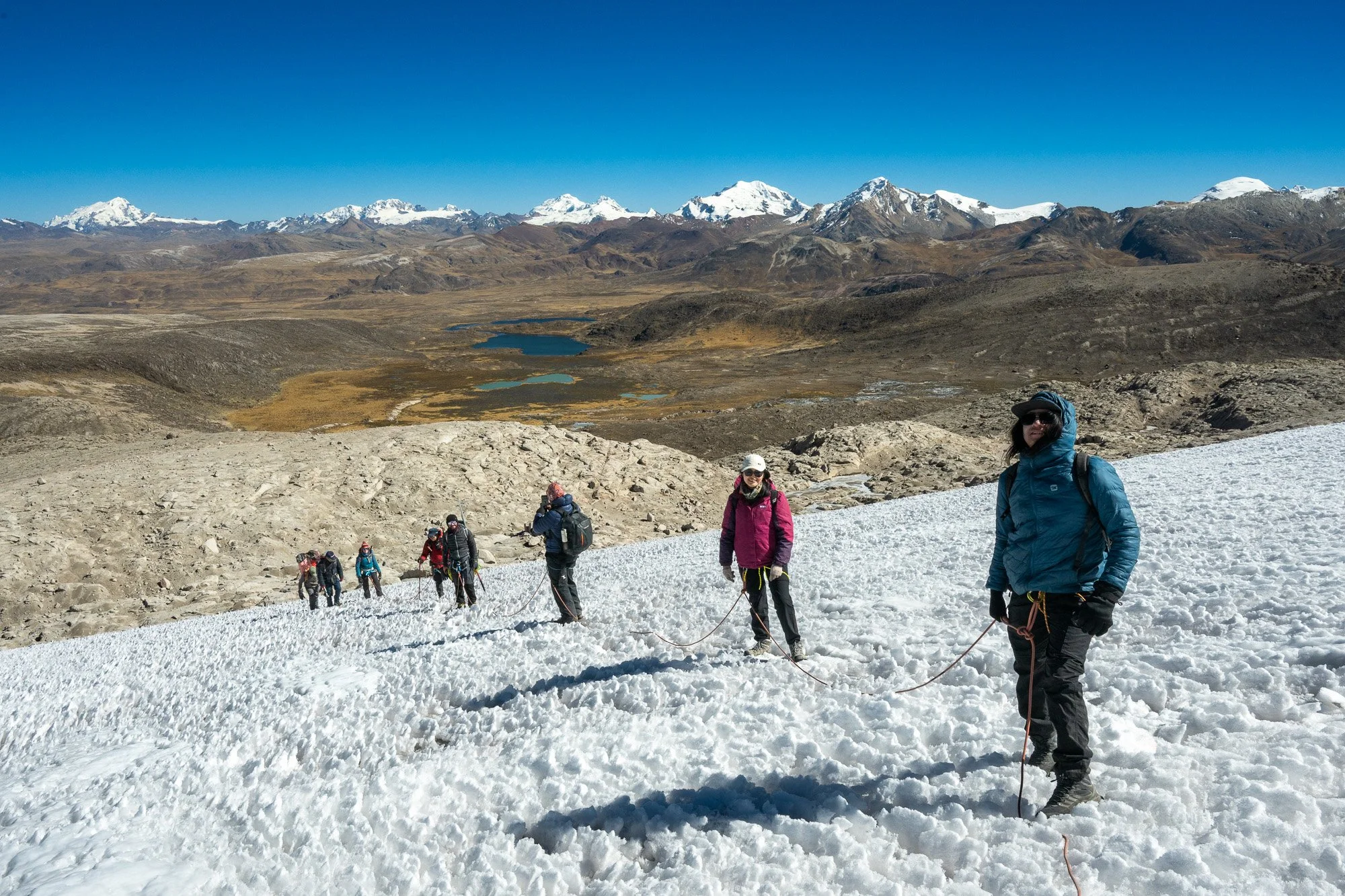
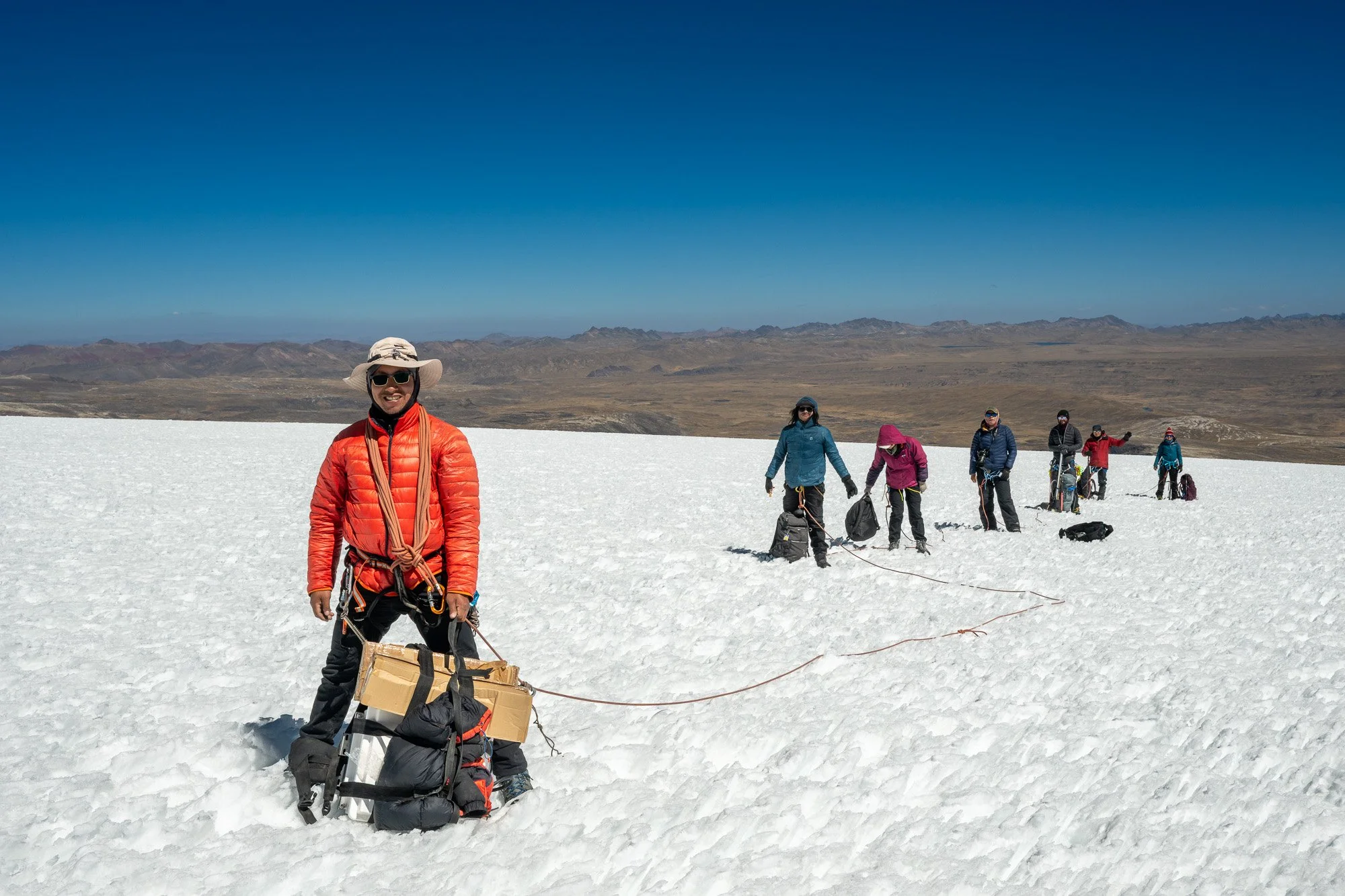
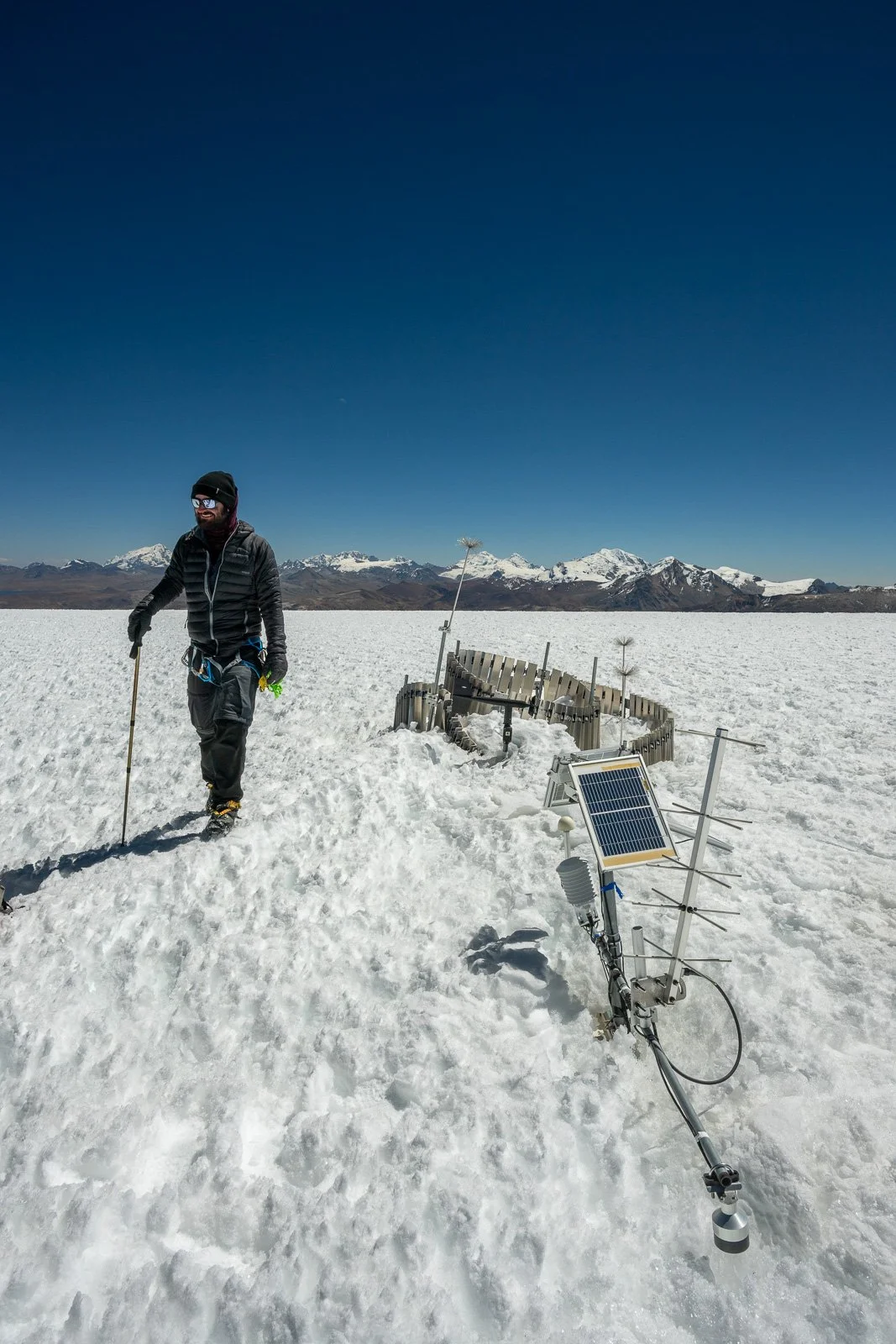
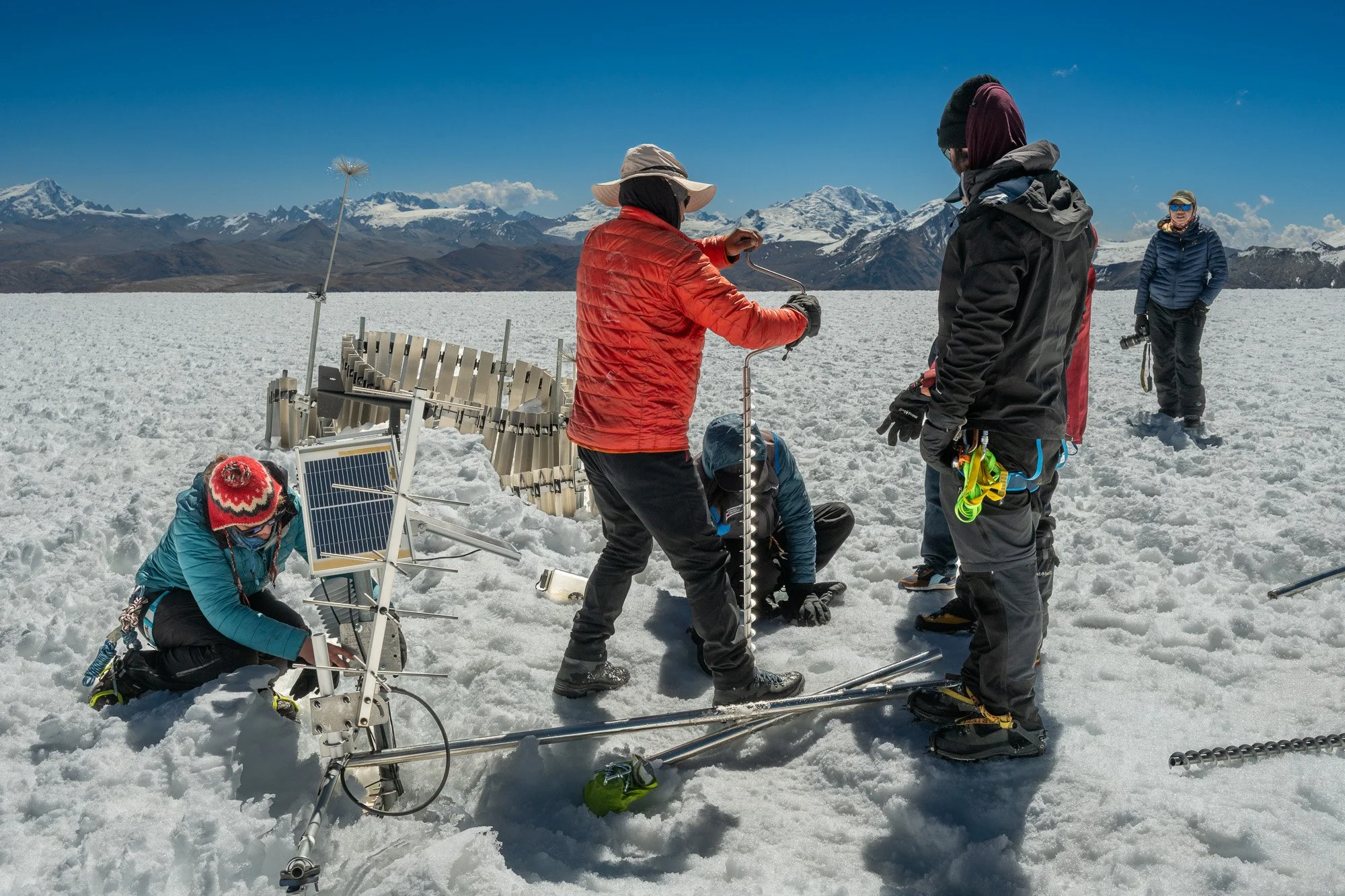
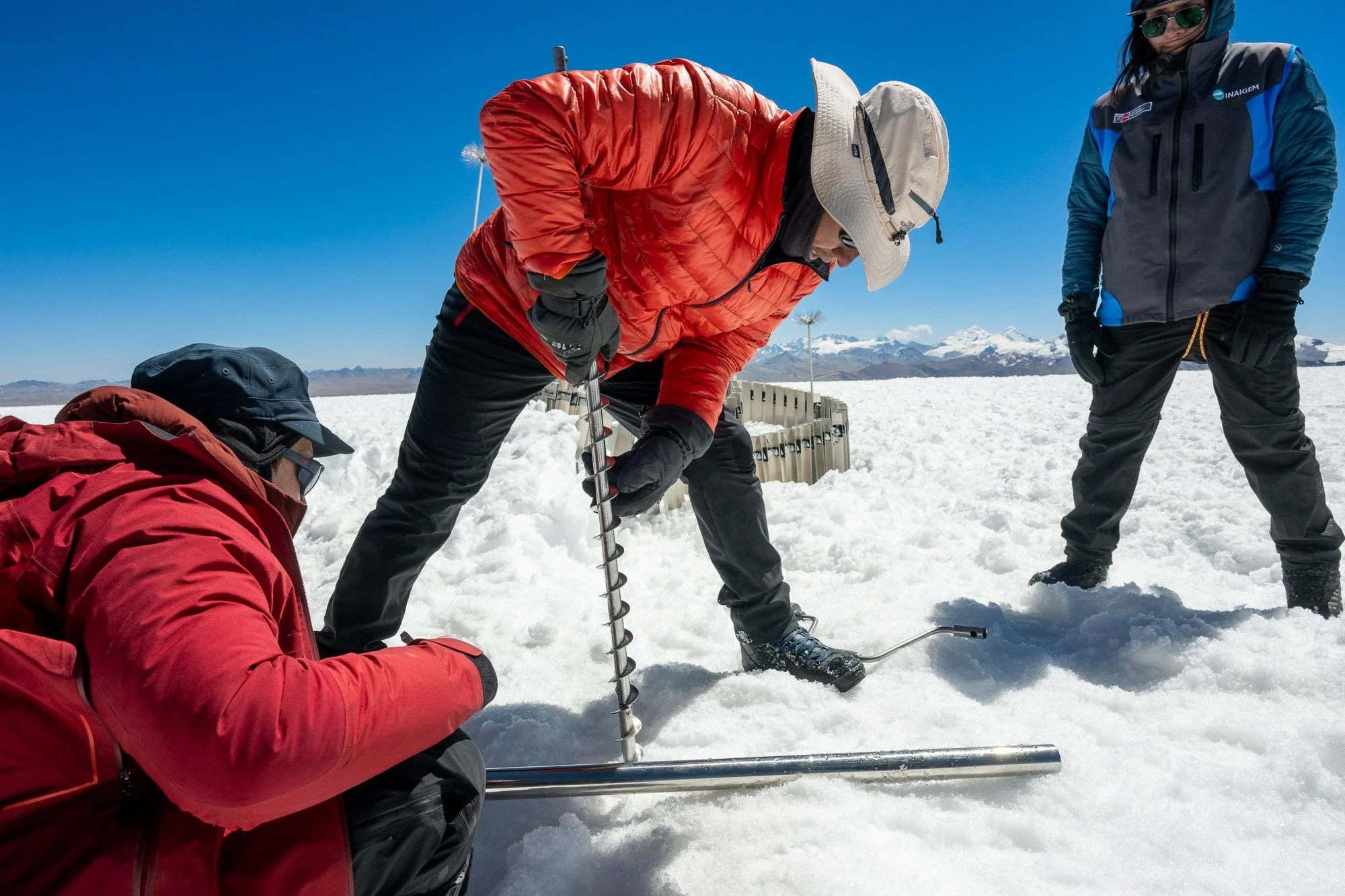
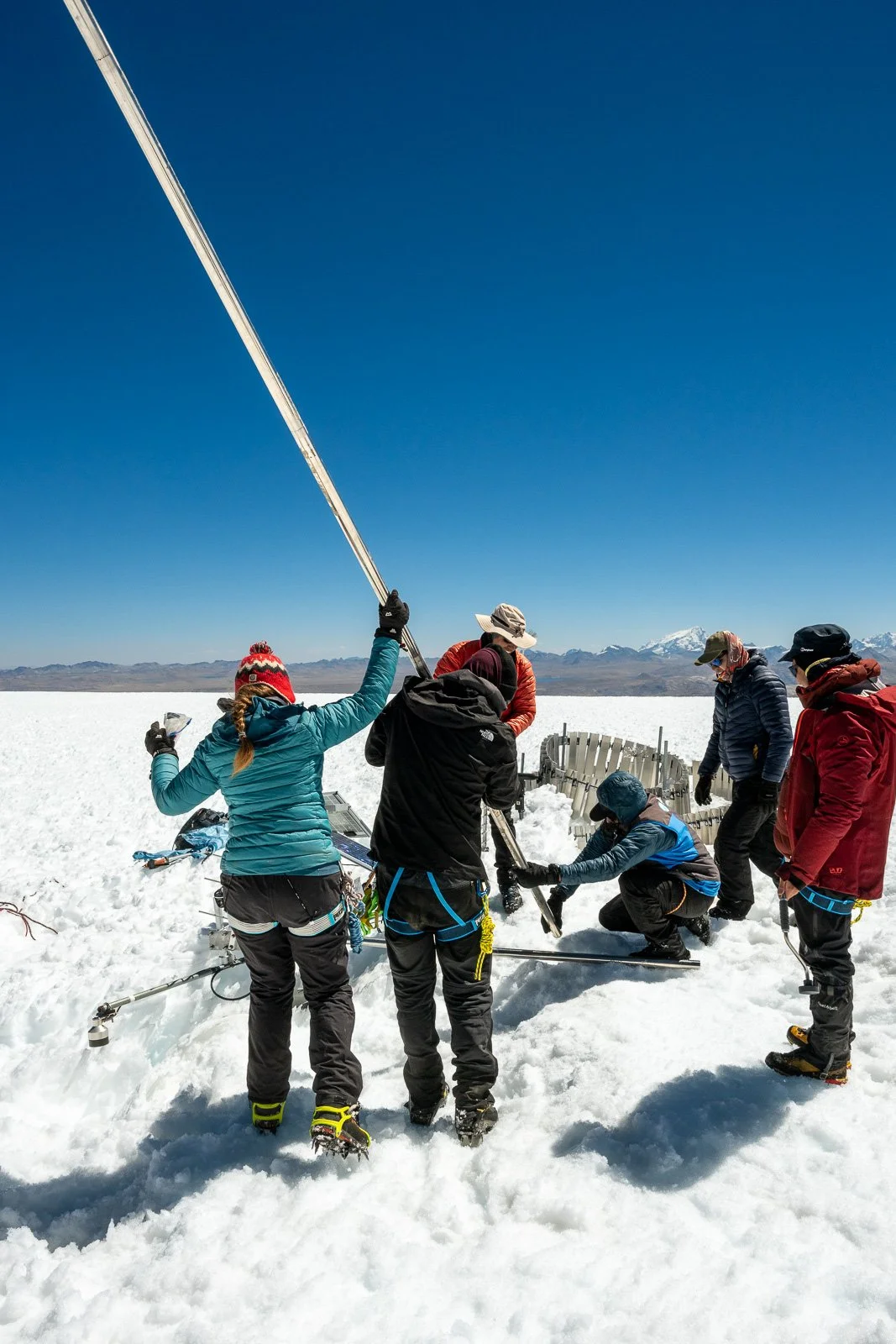
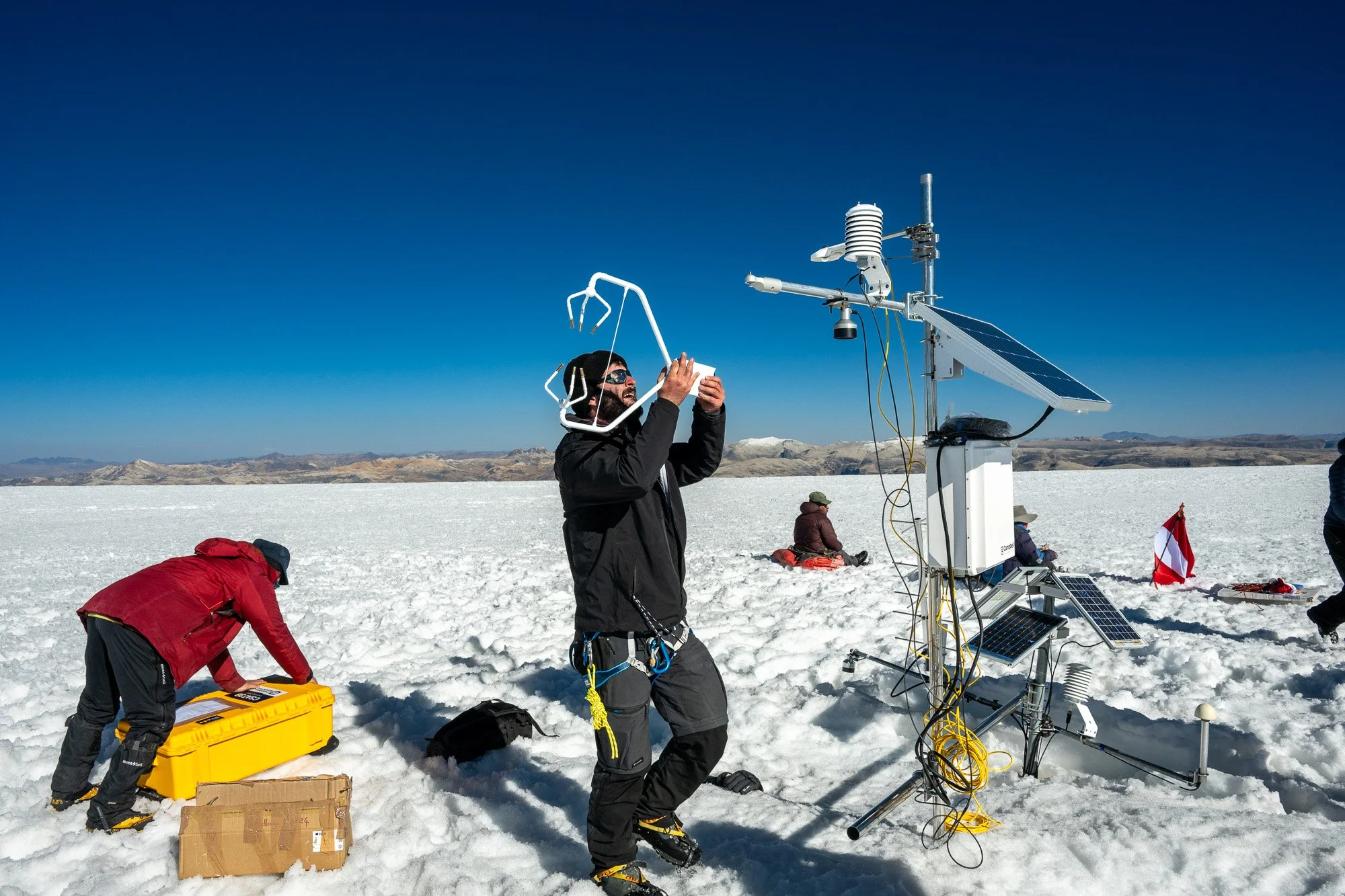
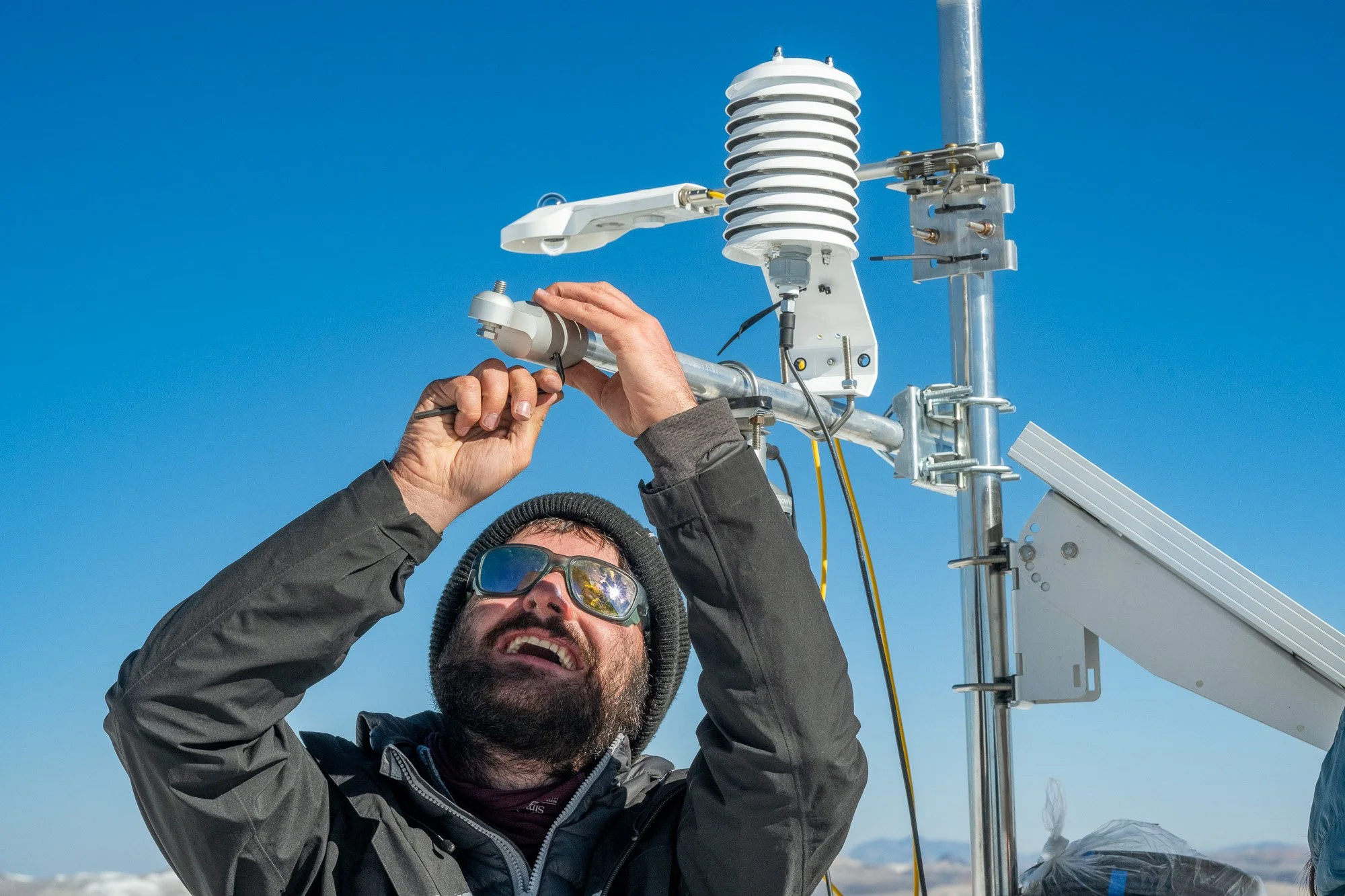
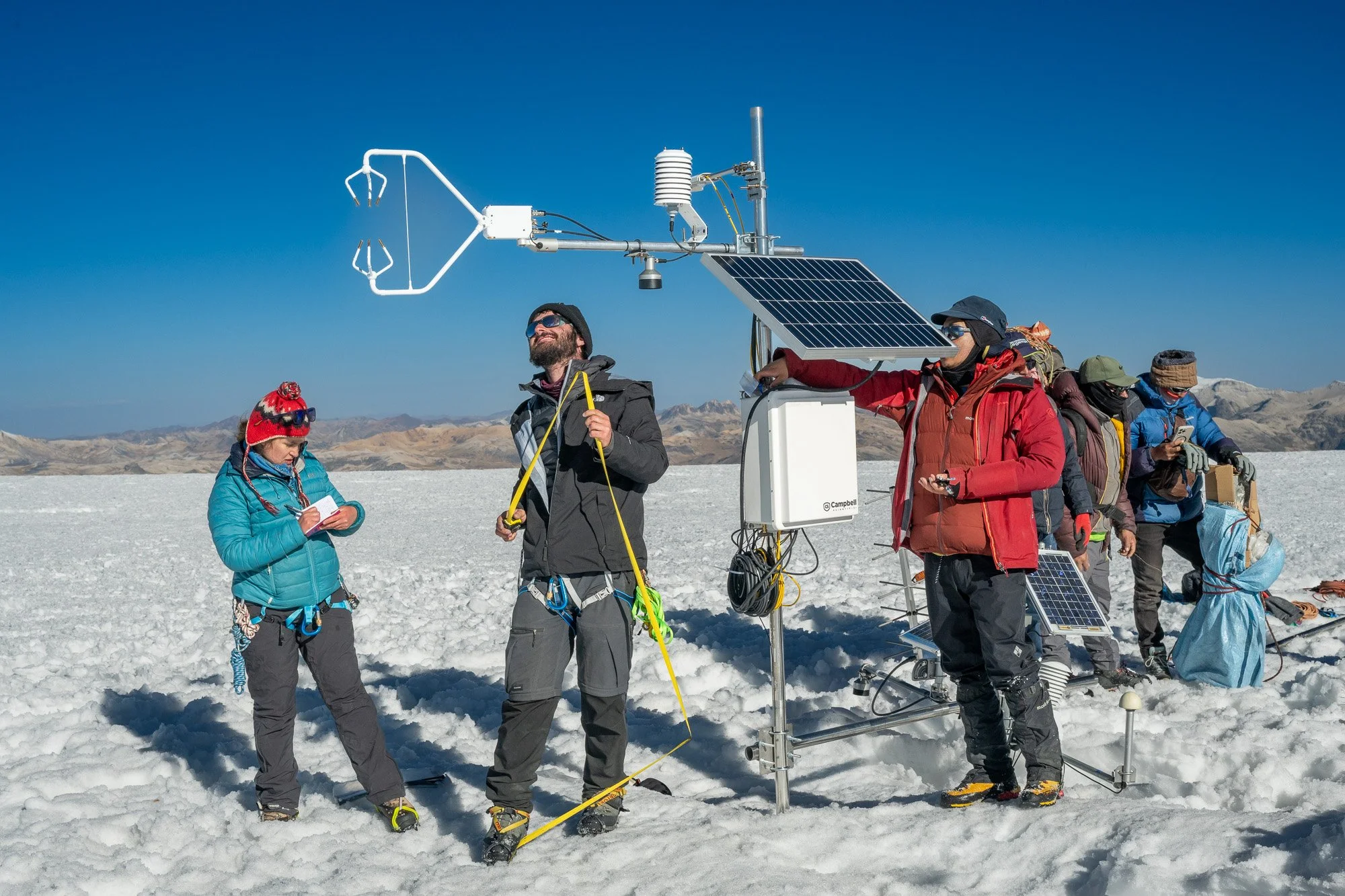
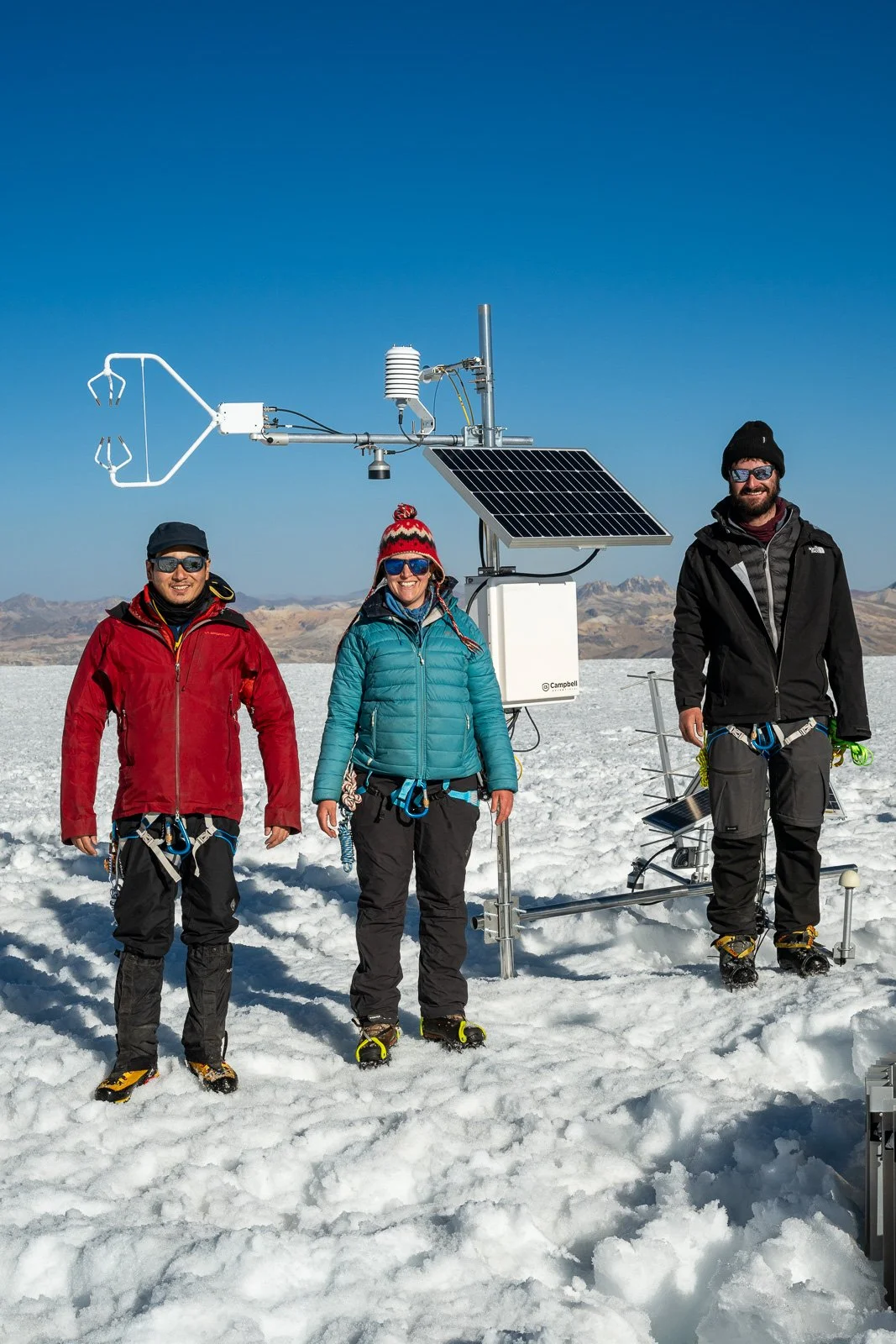
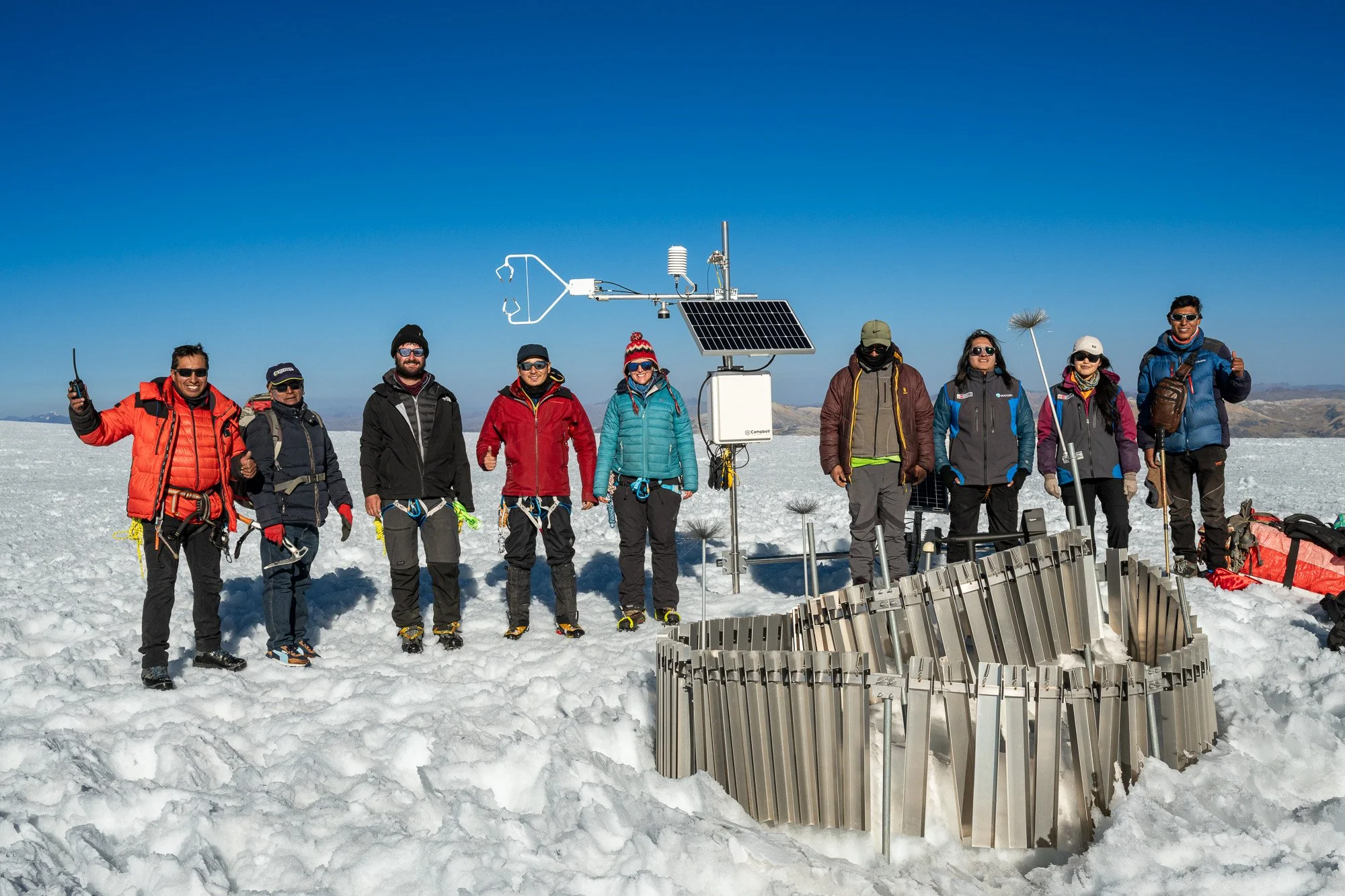
It is hard to overstate how difficult it is to work at that altitude. Making photographs takes a kind of mental focus that doesn't come easily when every breath is a negotiation with the thin air, and the cold at night makes real rest almost impossible. There's no shortcut around it — you just keep working through it, a little slower and a little more deliberately than you would at sea level.
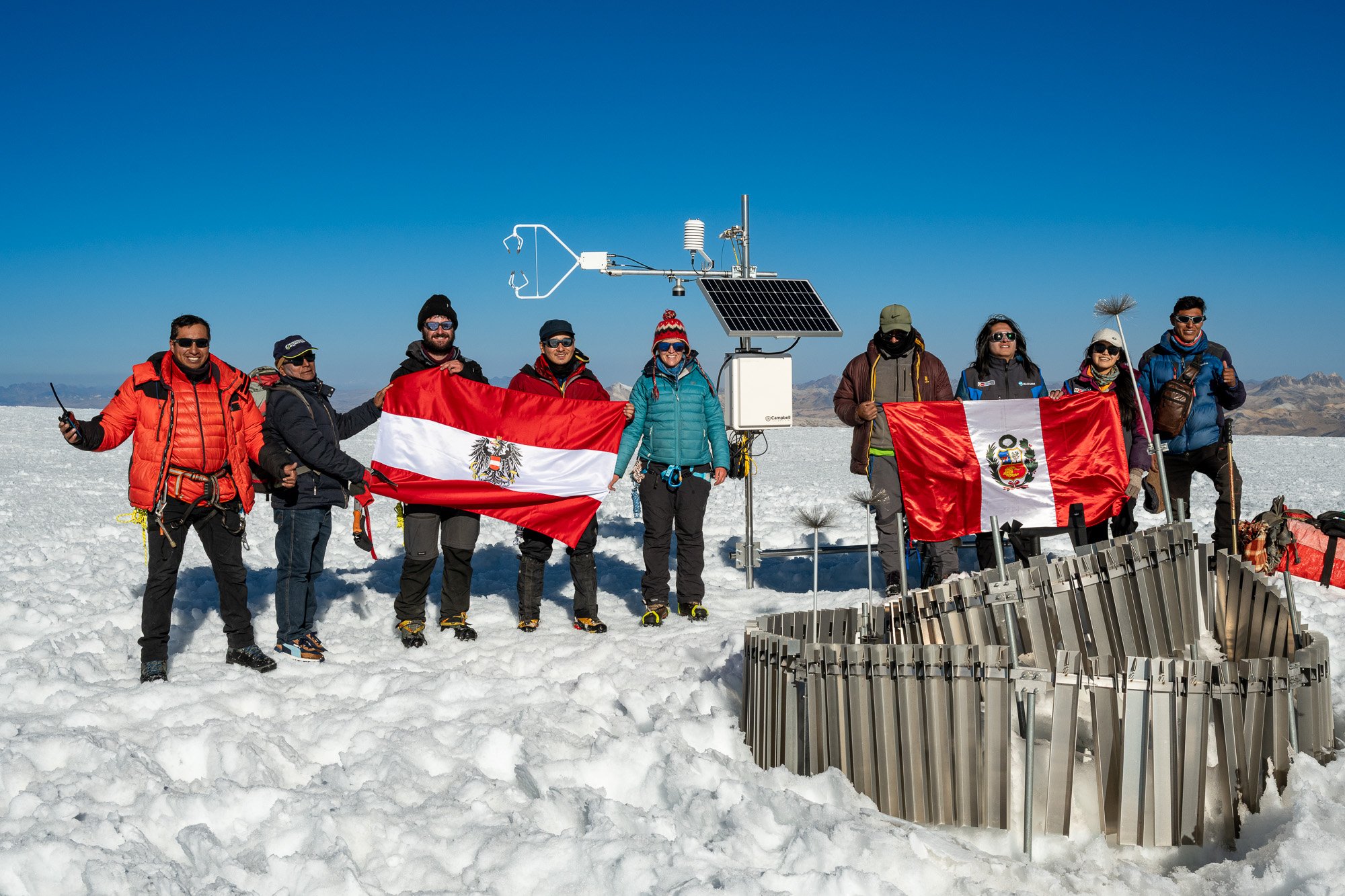
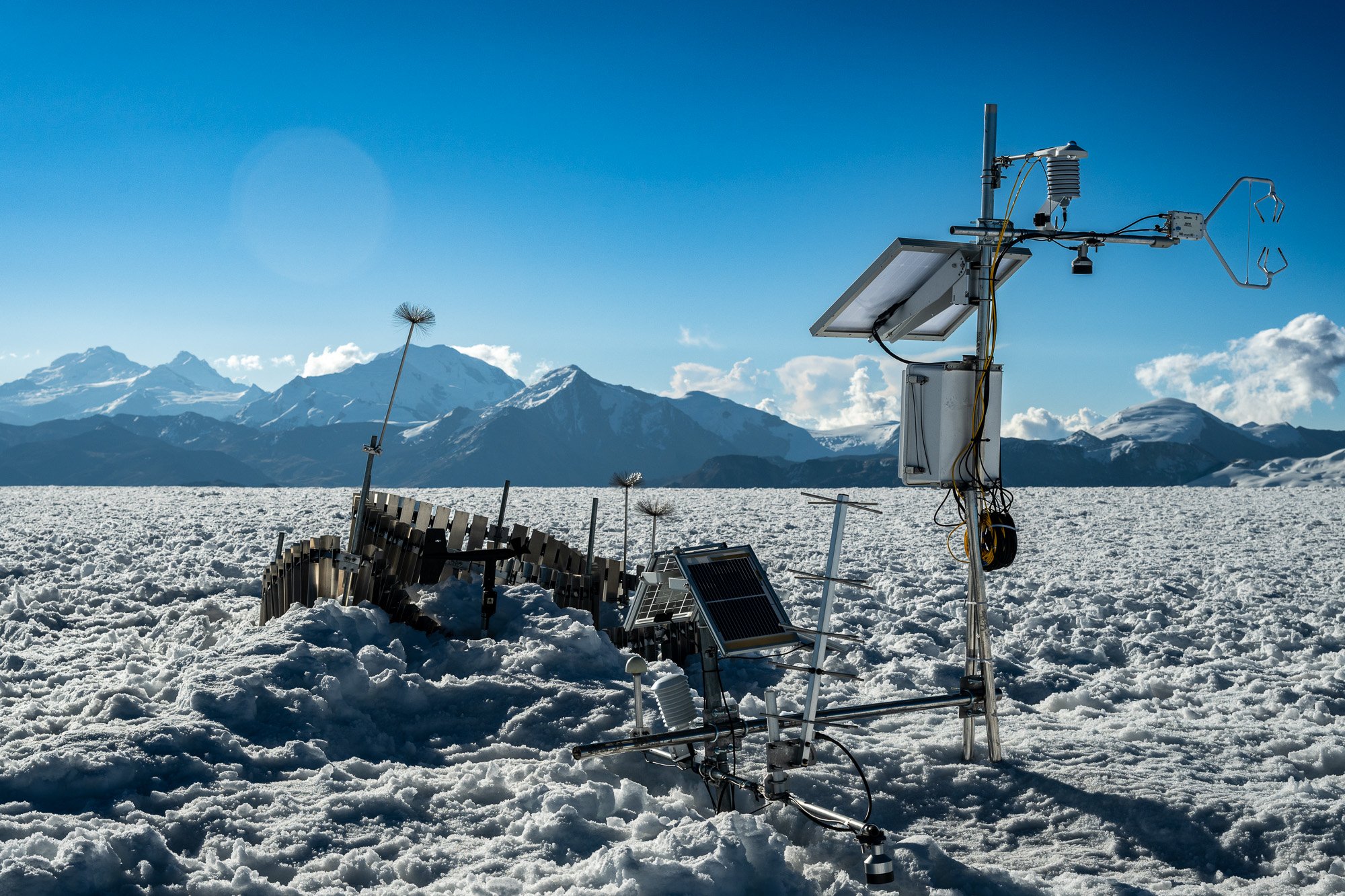
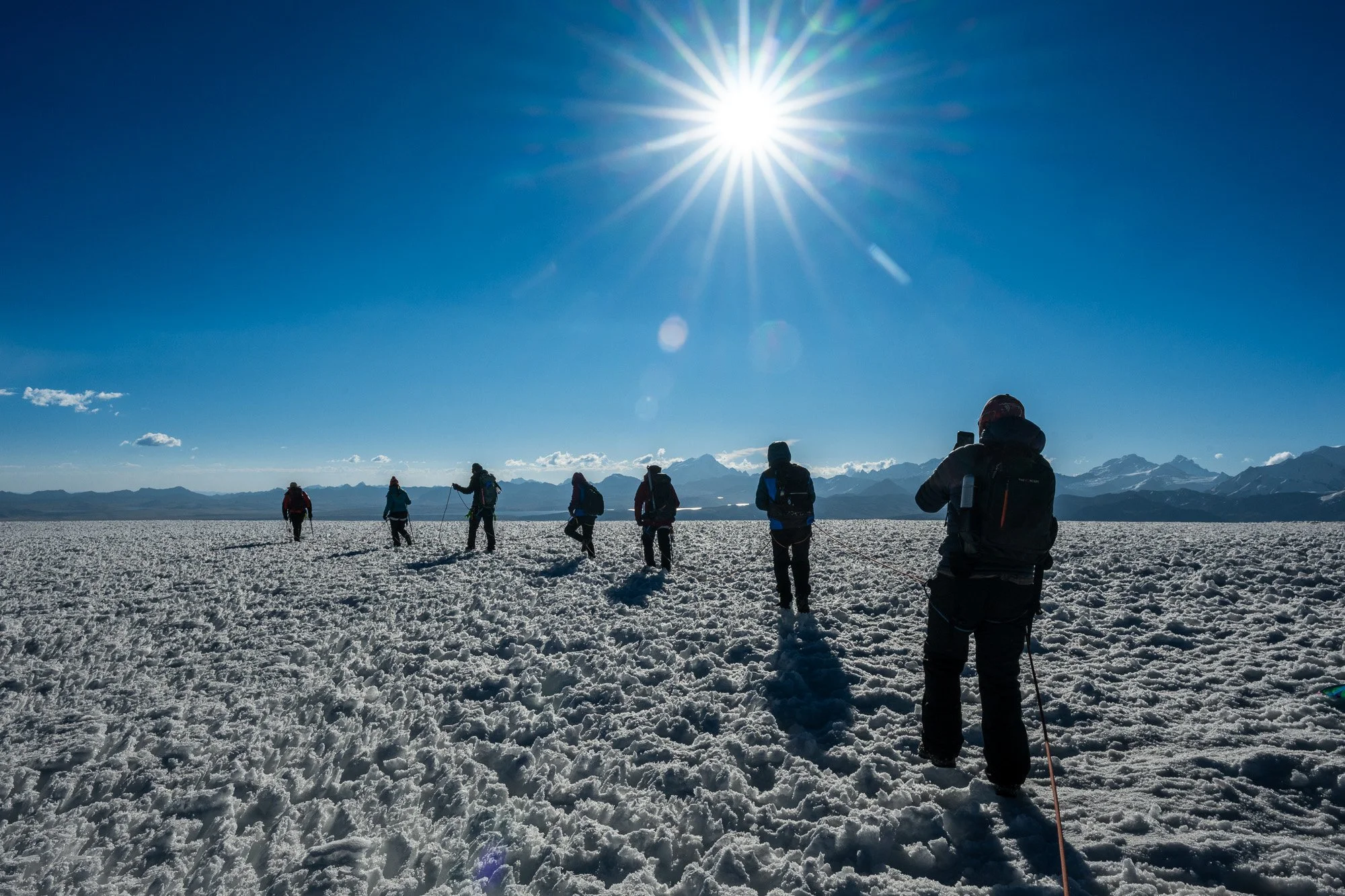
The installation itself was a success. The team also checked on equipment already in place from previous seasons: changing batteries on cameras and sensors, and downloading a full year of data that will feed into the long-term record scientists use to understand exactly how these glaciers are changing over time. It's slow, unglamorous work, and it's exactly the kind of work that makes the bigger picture possible.
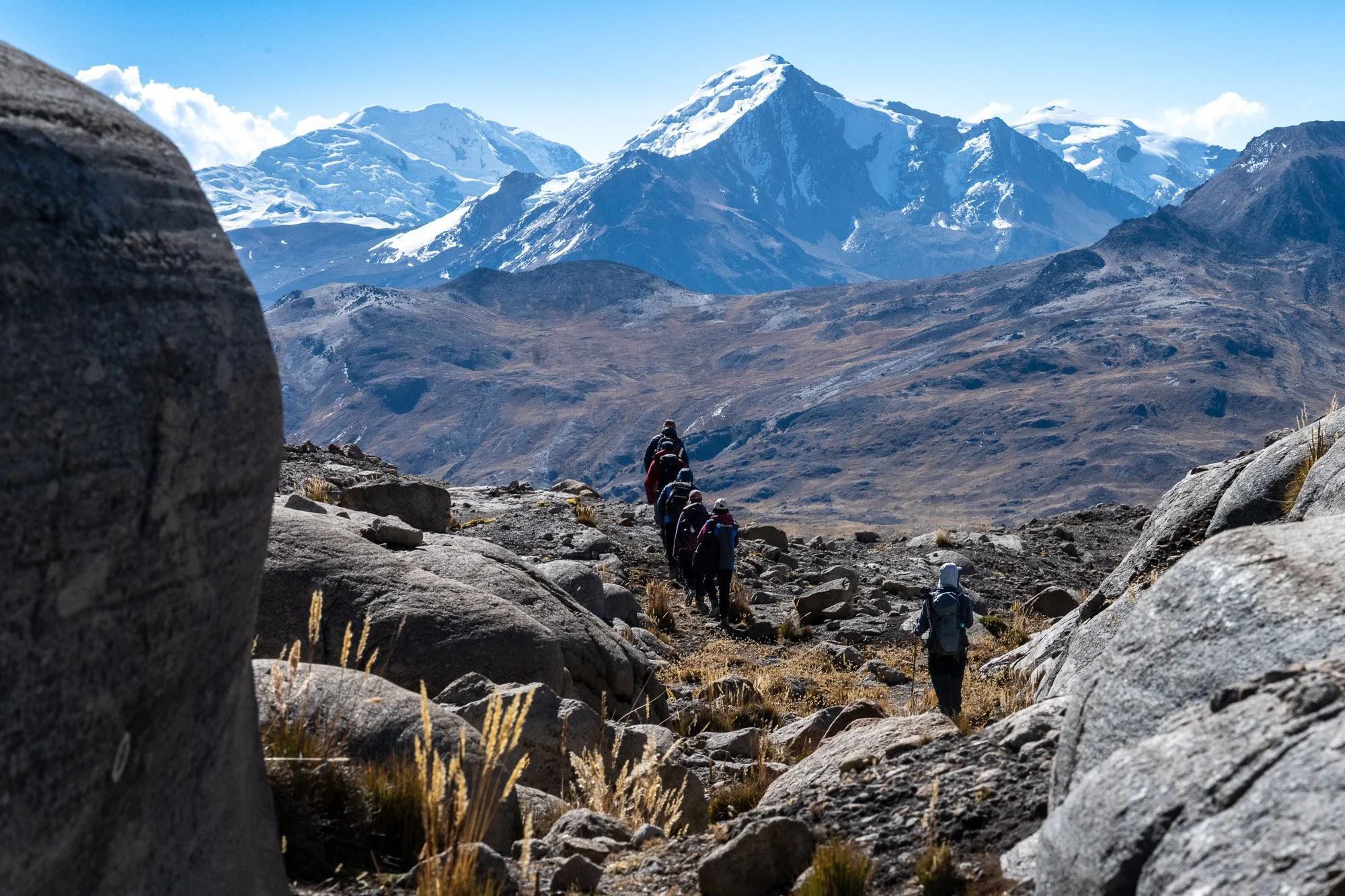
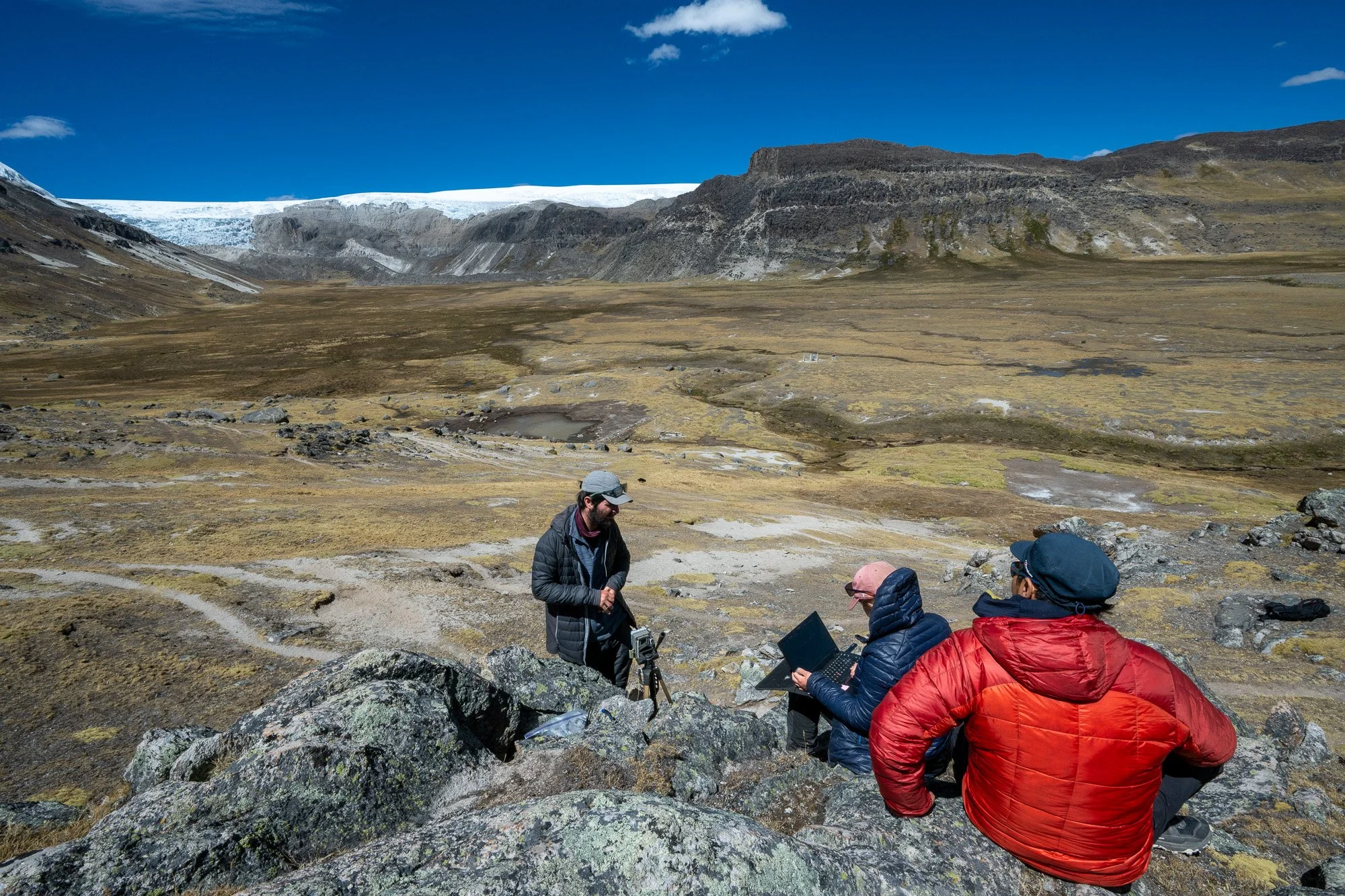
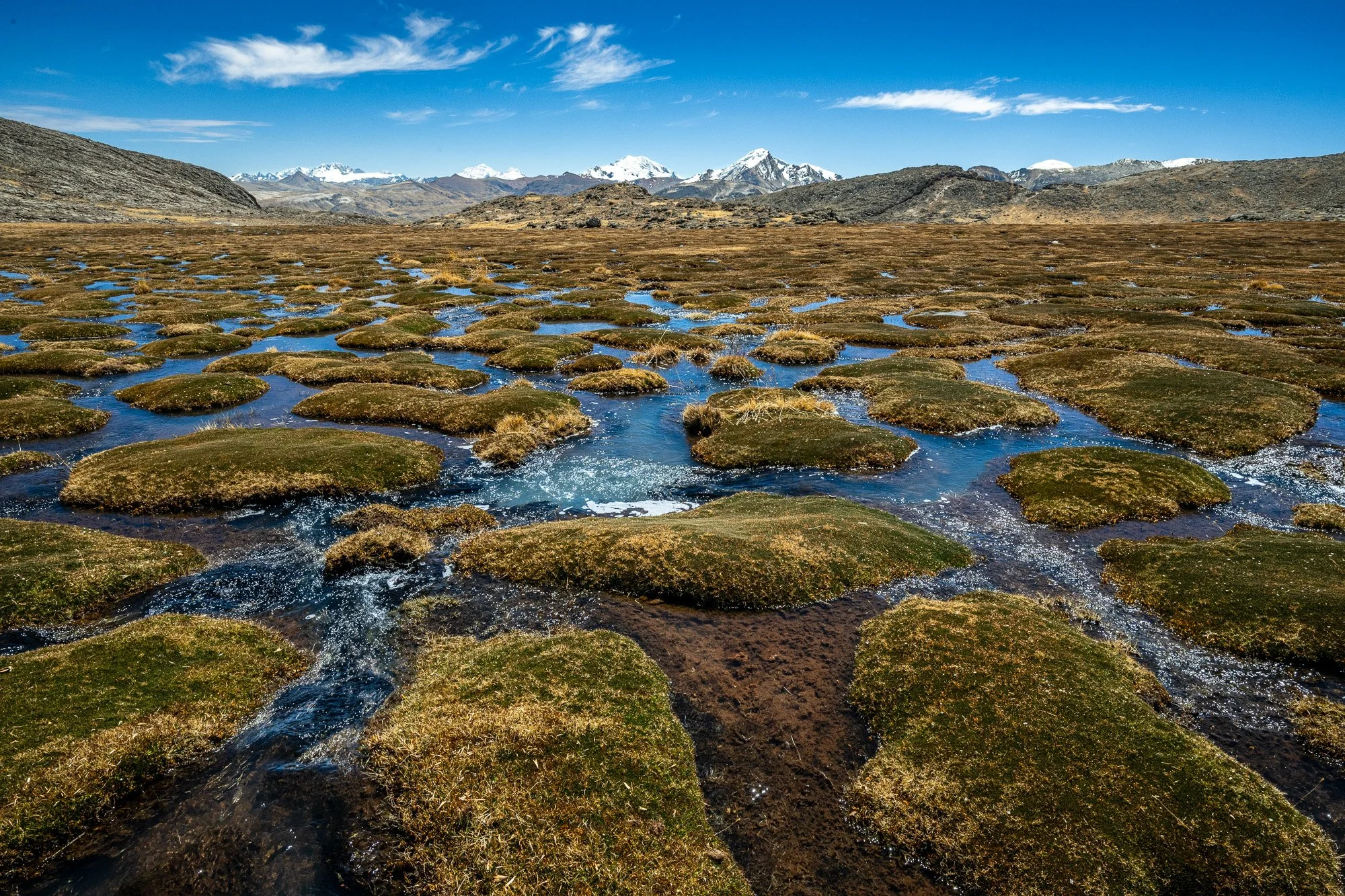
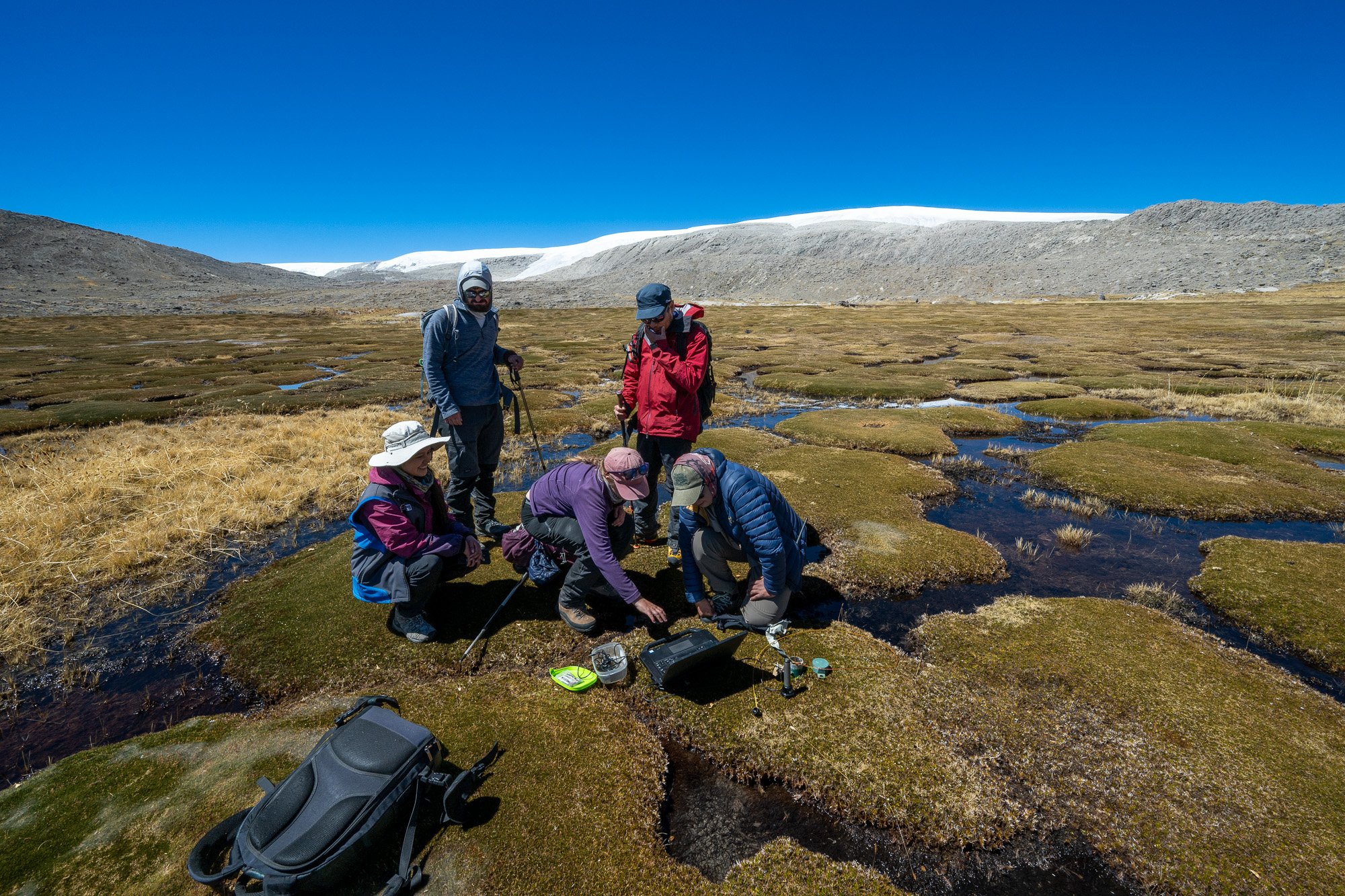
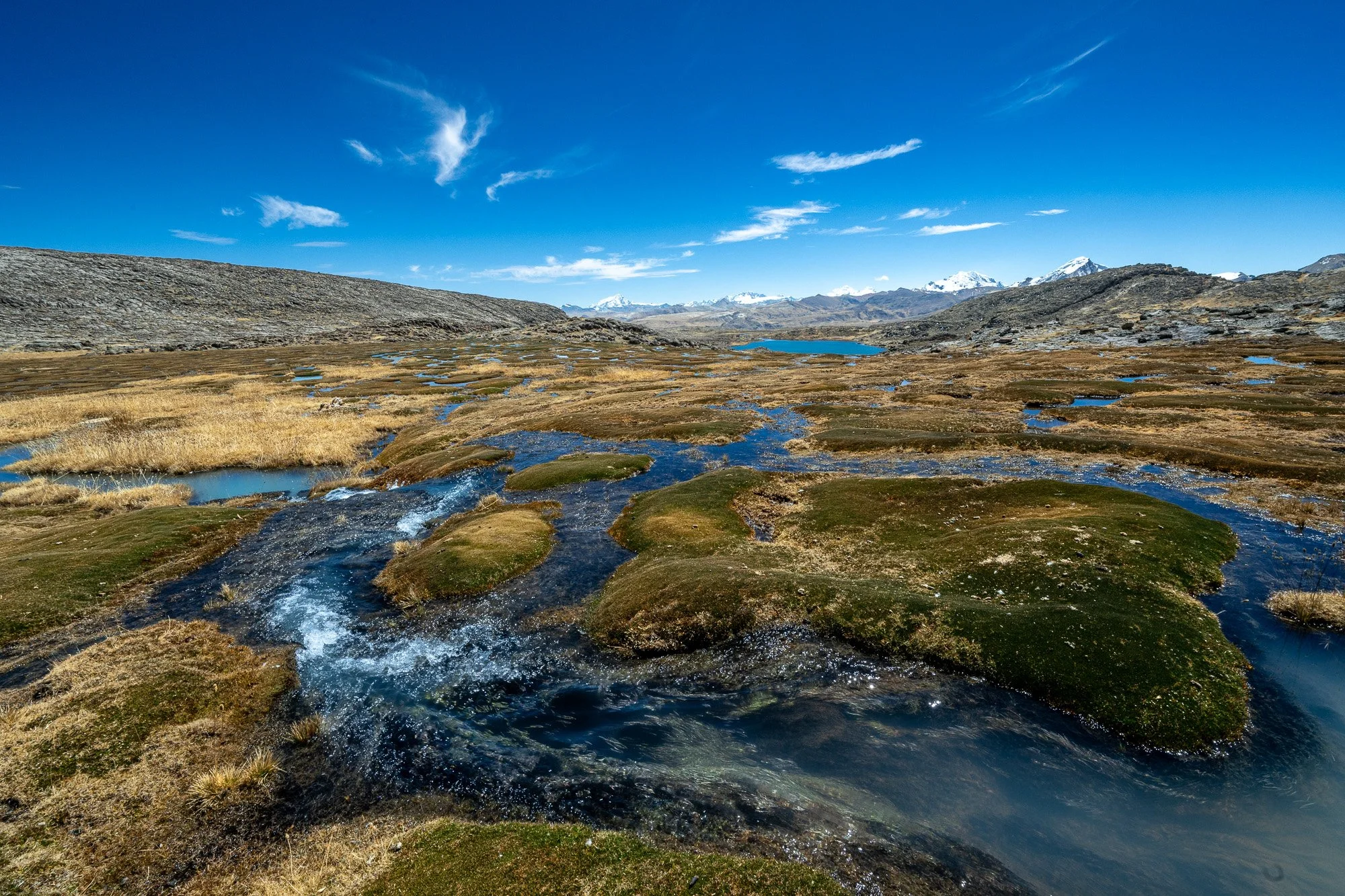
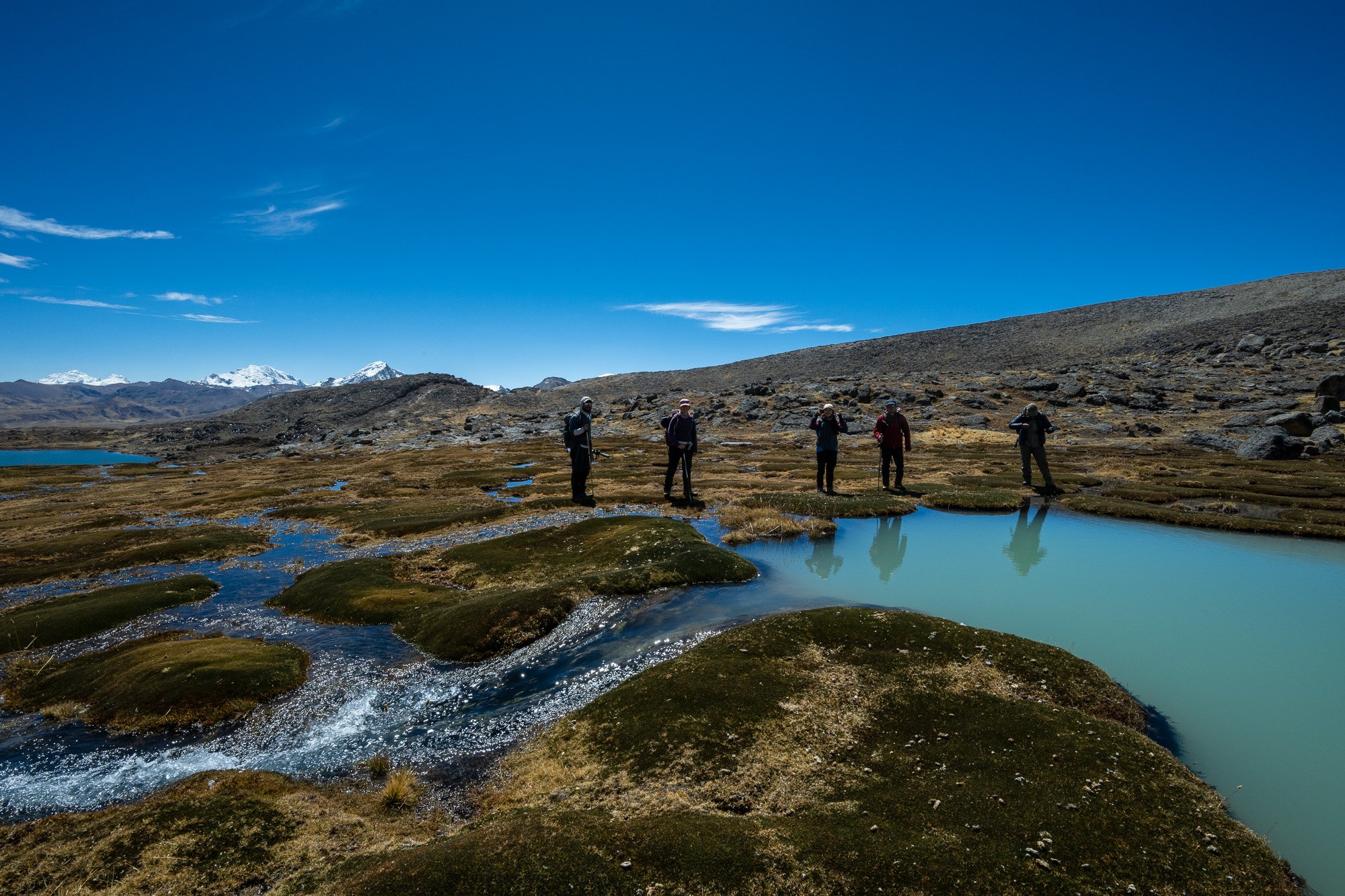
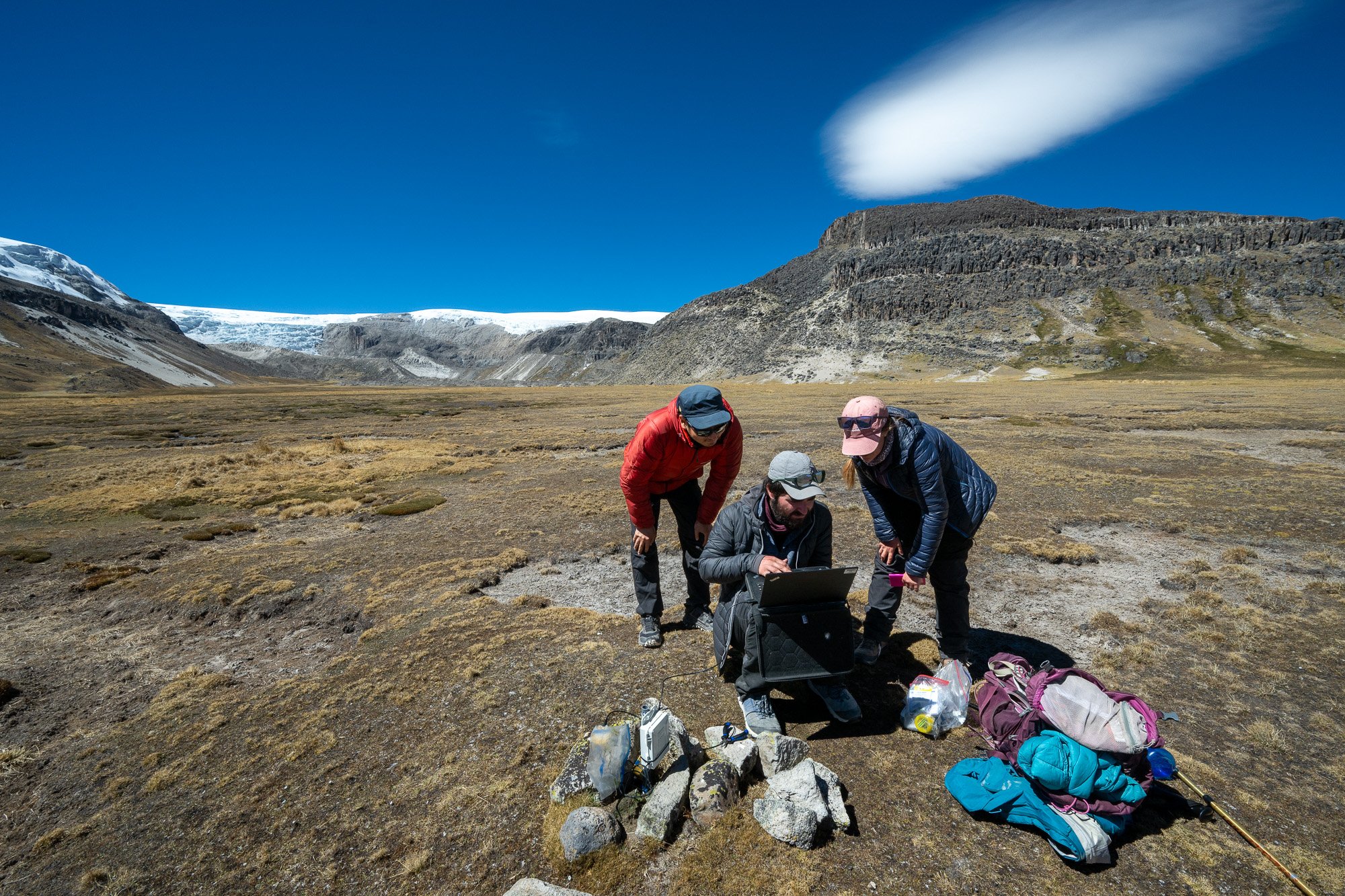
We closed out the trip with a day at the primary school in Phinaya, the alpaca-farming community that sits beneath Quelccaya. The team spent the afternoon talking with the children about the glacier that looms over their homes — the same ice that supplies their water and, in turn, sustains their families' herds and livelihoods. The kids were curious and fully engaged, and it was one of the most rewarding parts of the whole trip: watching the next generation start to grasp just how directly their future is tied to the ice above them.
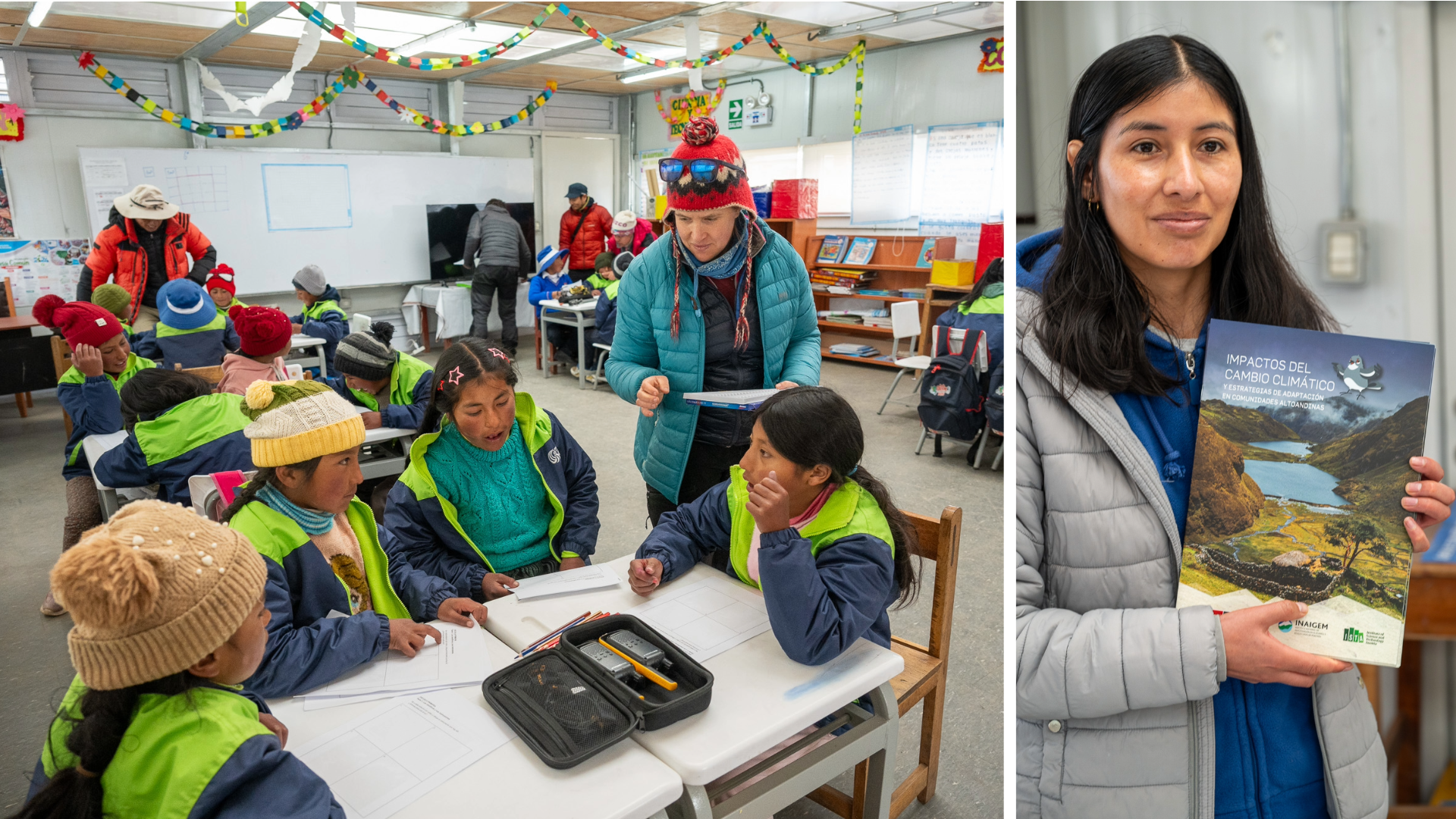
Cat and the ISTA team in the Phinaya classroom with the help of Nayda García, who provided booklets from INAIGEM on glaciers and climate change.
It's a thread that runs straight through The Condor & The Bull. This project has always been about the forces pressing in on Quechua communities' relationship to land — mining on sacred territory, disputed boundaries, the slow erosion of ritual practice. The glaciers are that same story told in ice and water: another force, largely written elsewhere, reshaping what these communities can depend on. Saúl's case, Palcacocha, Quelccaya, the kids in Phinaya — they're all part of the same negotiation between what a people can hold onto and what is being taken from them, one degree at a time.
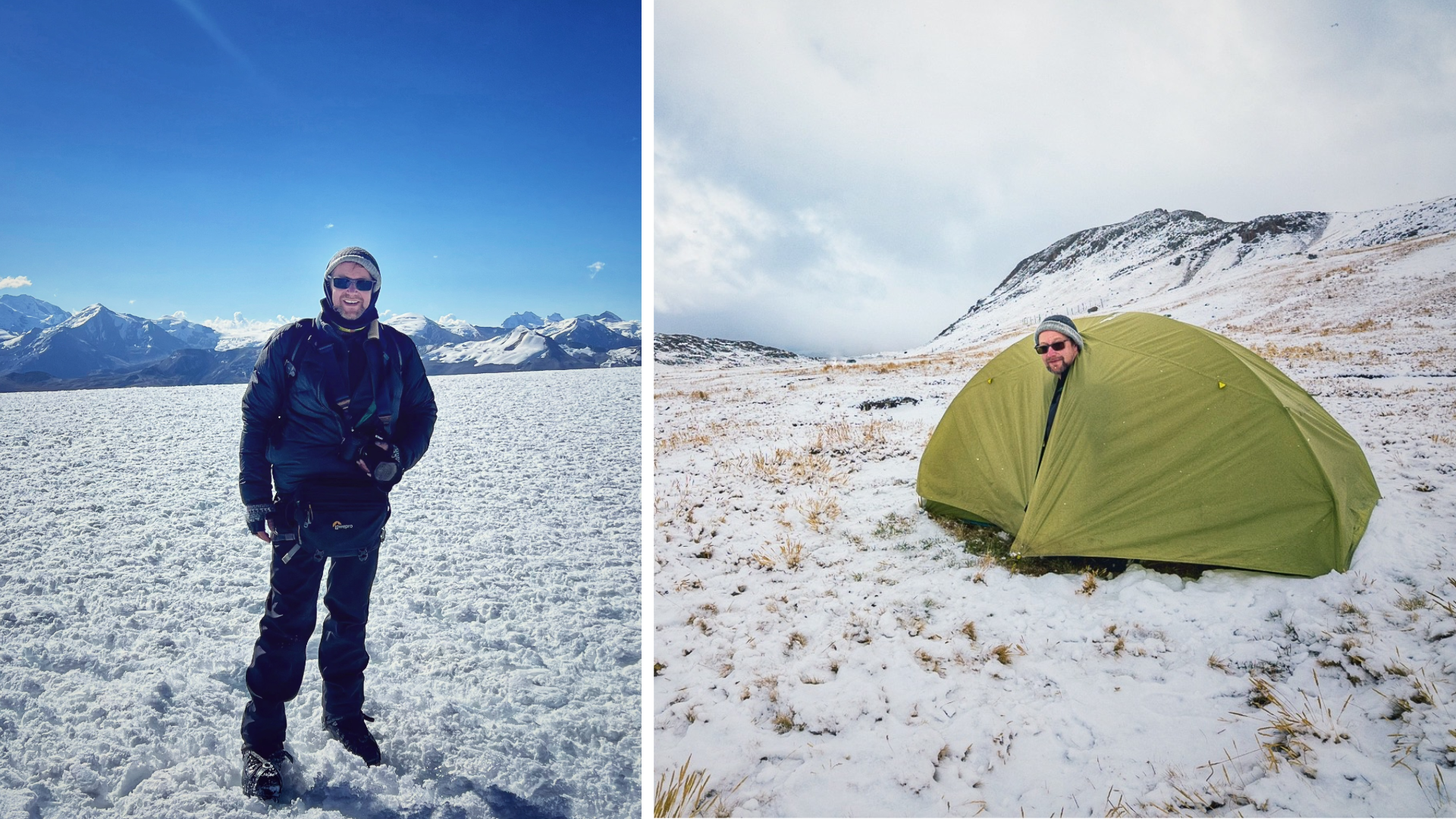
Photographer Michael Bednar at Quelccaya Ice Cap.
Last thing before I sign off: on one of the last days at Quelccaya, word reached me that I'd been named a finalist for the Photo Lucida Critical Mass award. I can't think of much that would make fighting through the cold and altitude easier than that news arriving right in the middle of it. It's a huge honour, and it opens this project up to some of the most influential people in the photography industry, with the kind of exposure that could really matter for where this work goes next. Final results are announced in late September — fingers crossed.

With gratitude,
MB