Lightning, Apus, and the Road to Q'eros
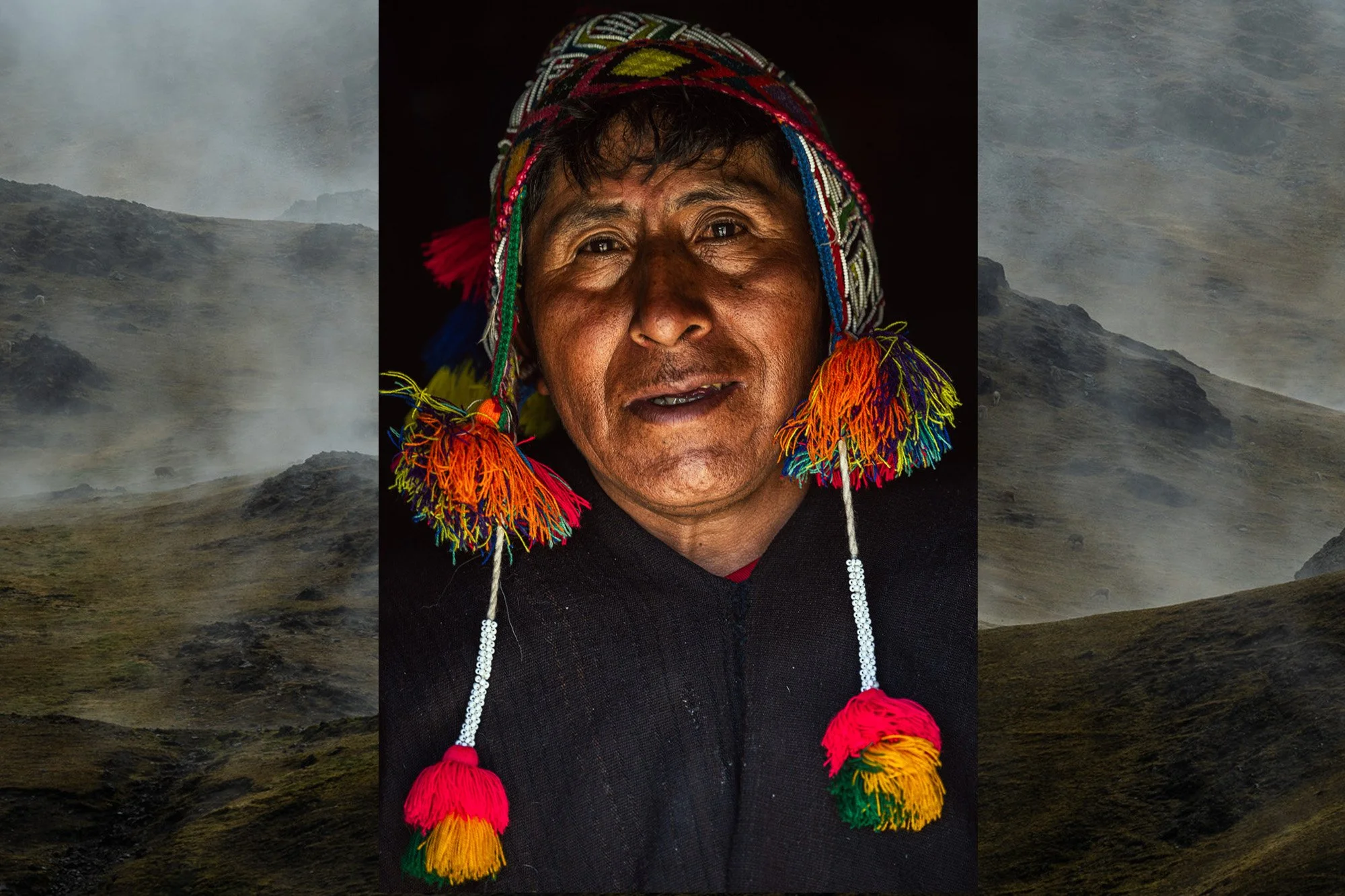
Antonio, pampa mesayoq (Andean priest)
Greetings & Saludos!
This past week I had the privilege of spending time in the community of Chua Chua in the Q'eros Nation (pronounced KEH-ros), high in the Andes of the Cusco region. It's a place I've wanted to visit for a few years, and it holds an incredibly important place in Quechua culture.
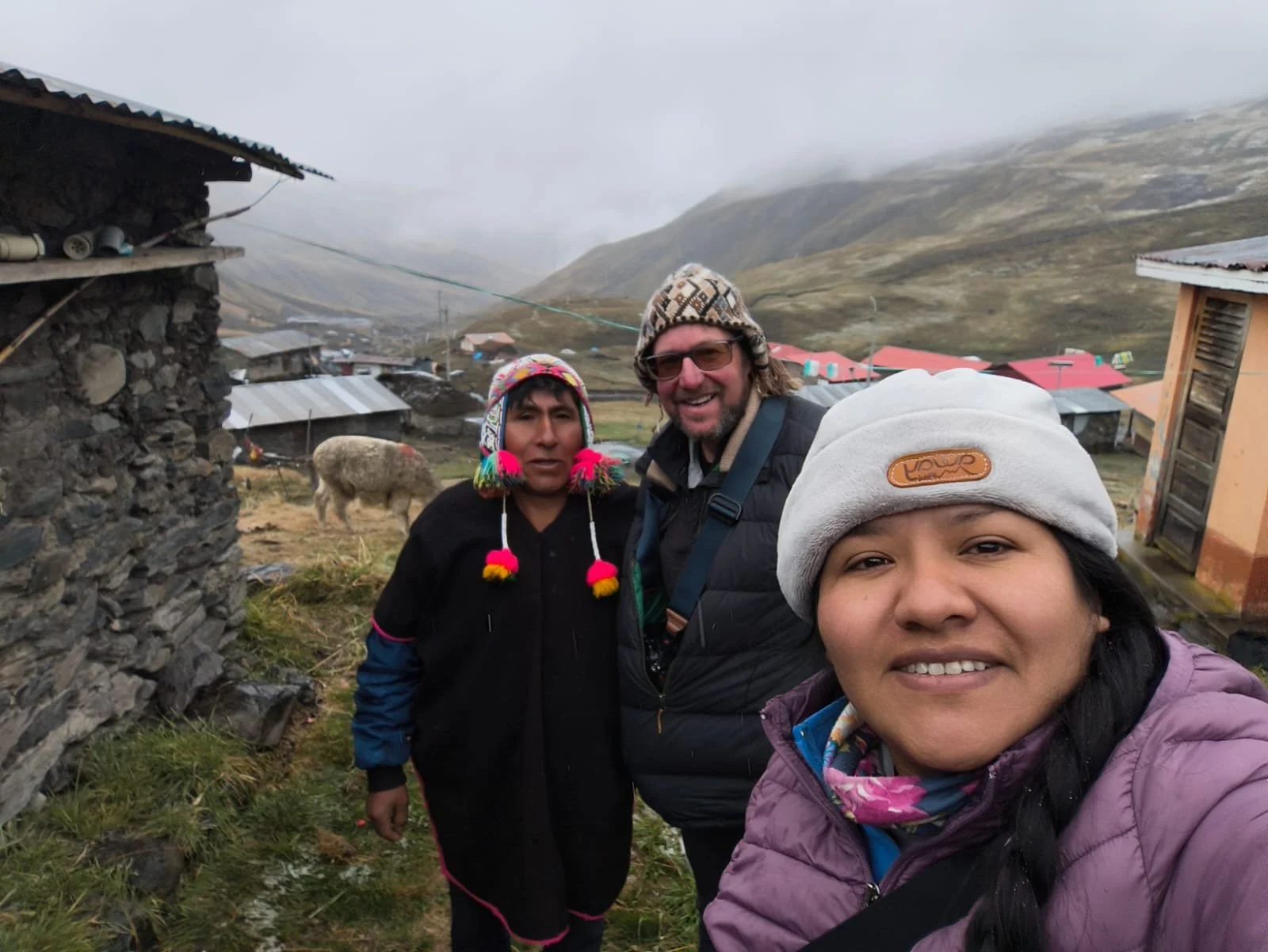
As with so much of this project, it came together like one of those coincidences that doesn't seem like a coincidence at all. Yeymy, Guido's sister, introduced me to Antonio through another wonderfully serendipitous moment, and Antonio invited me to travel with him to his home in Chua Chua to meet and stay with his family.
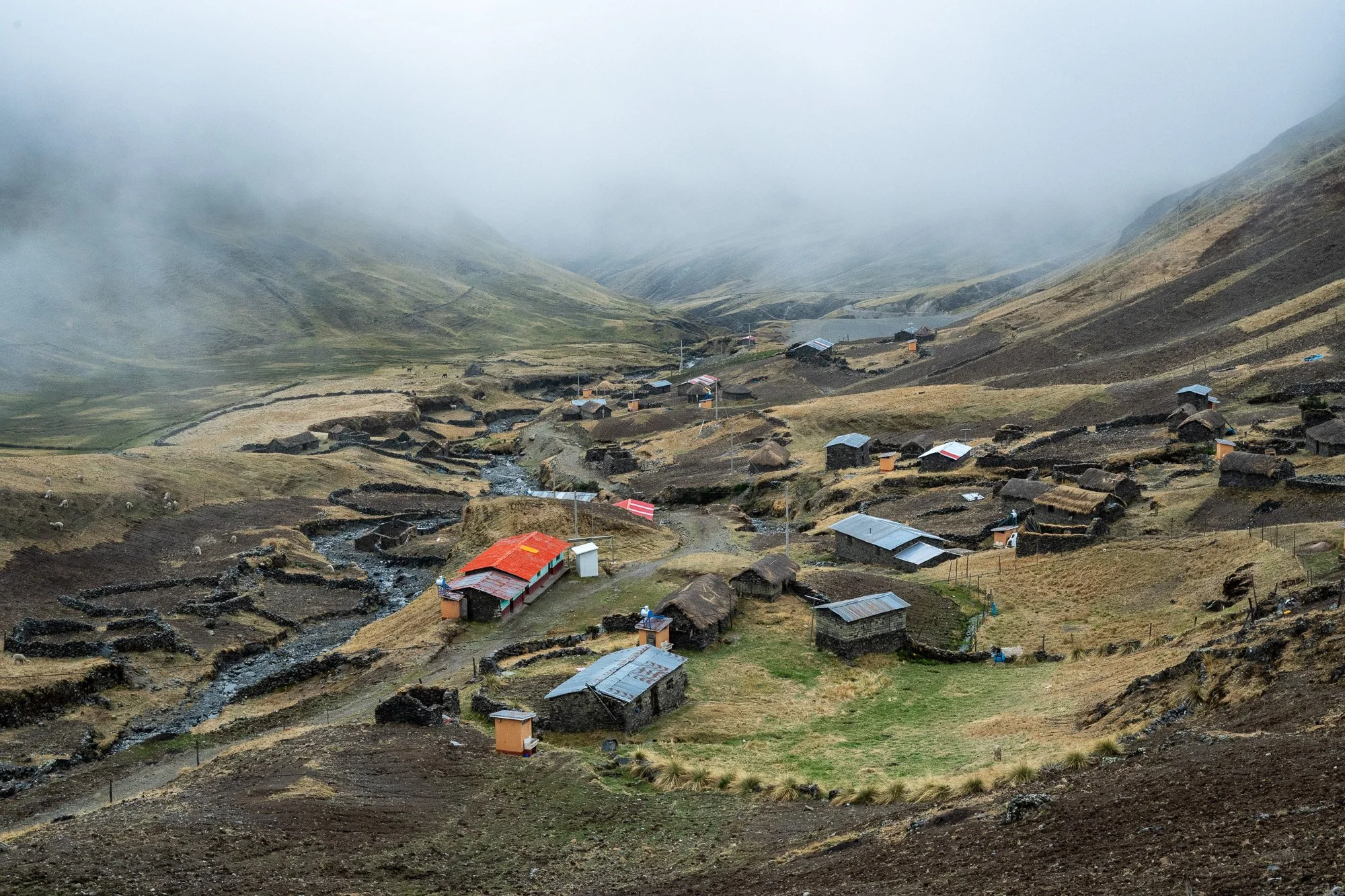
Chua Chua, Q’eros
Q'eros matters because its people were, and still are, considered a living link to the traditions of their Quechua ancestors. It's a high, remote region that is difficult to reach, and it wasn't accessible by road until 2012. After the Spanish conquest in the 1500s, the people of Q'eros remained largely separate. Their culture was less affected than elsewhere in Peru, though not untouched. While much of the country was being converted to Catholicism, the people of Q'eros continued the beliefs, traditions, and ceremonies of their ancestors. Those practices have been handed down through generations, but things are changing quickly now that the road has arrived. Some good things have come with it, and others less so.
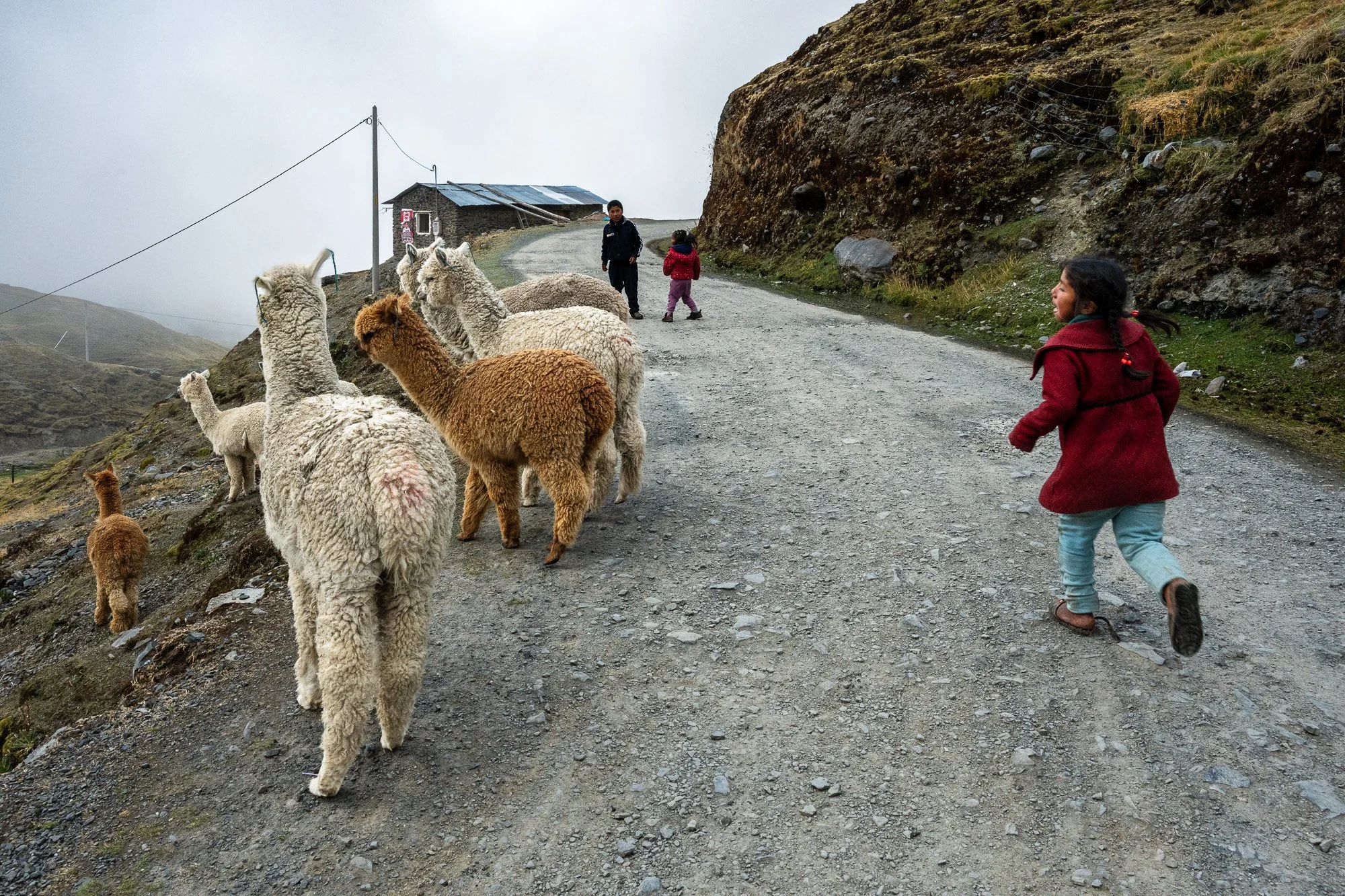
Children usher alpacas homeward along the new road into the community.
Antonio is a paqo, a Quechua ritual specialist and spiritual guide who works with the Apus (the sacred mountain spirits) and Pachamama (Mother Earth) through offerings and ceremony. In this part of the Andes, there are two paths: the alto mesayoq and the pampa mesayoq. Antonio is a pampa mesayoq, and how he came to that path is one of the most remarkable stories I've heard.
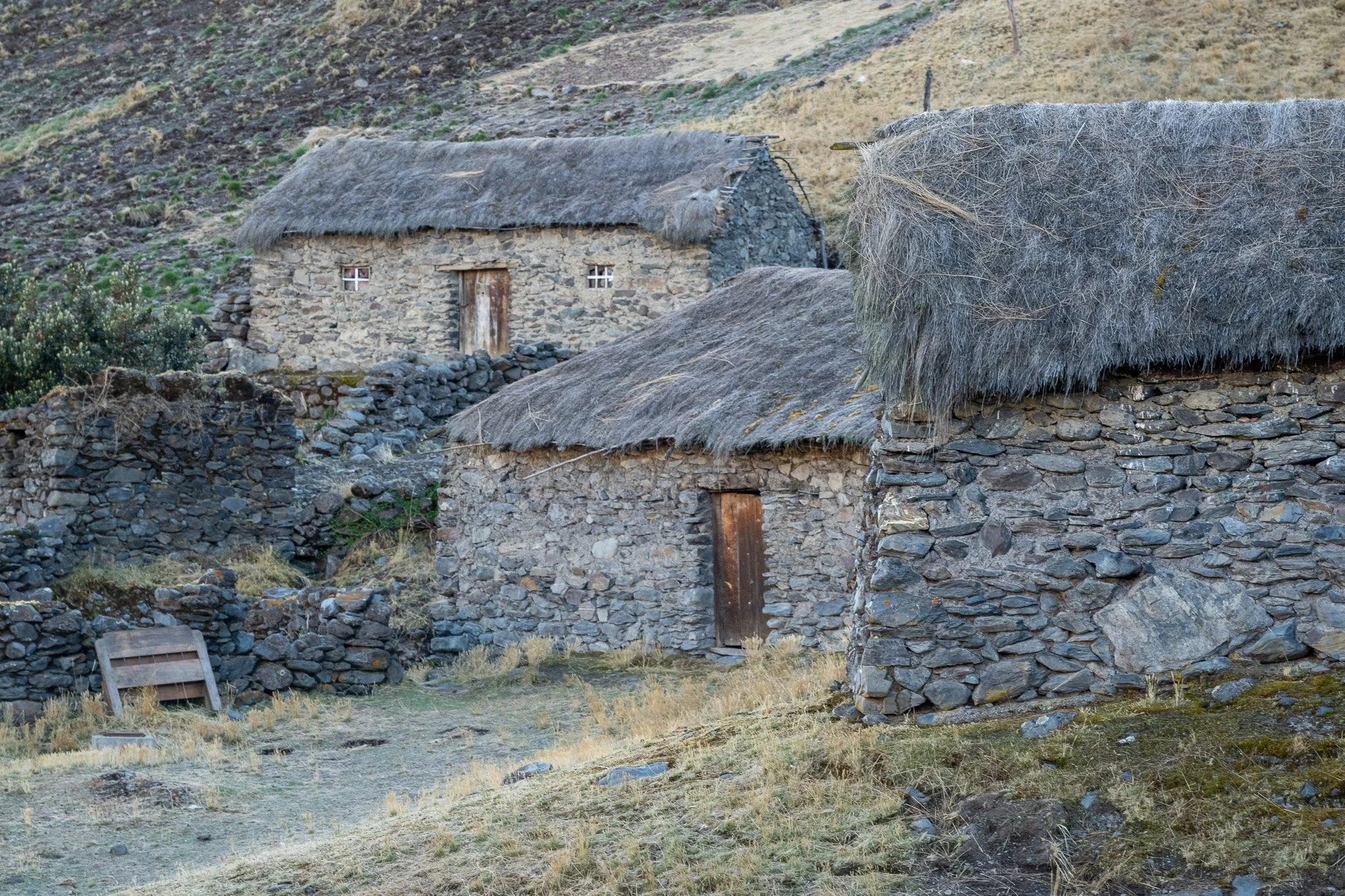
Traditional homes in Q’eros
When he was seven years old, he was out tending his family's sheep when he was struck by lightning. He was badly burned and partially paralyzed, and for the next five years he teetered between life and death. His mother did everything she could to keep life as normal as possible. As part of that, she fed him soup to help his recovery, and the soup contained salt. Apparently, that's not what you're supposed to do after being hit by lightning. A salt-free diet is essential. When an alto mesayoq came to visit, he explained that because of the salt, Antonio could not become an alto mesayoq. If he lived and chose to walk the path, it could only be as a pampa mesayoq.
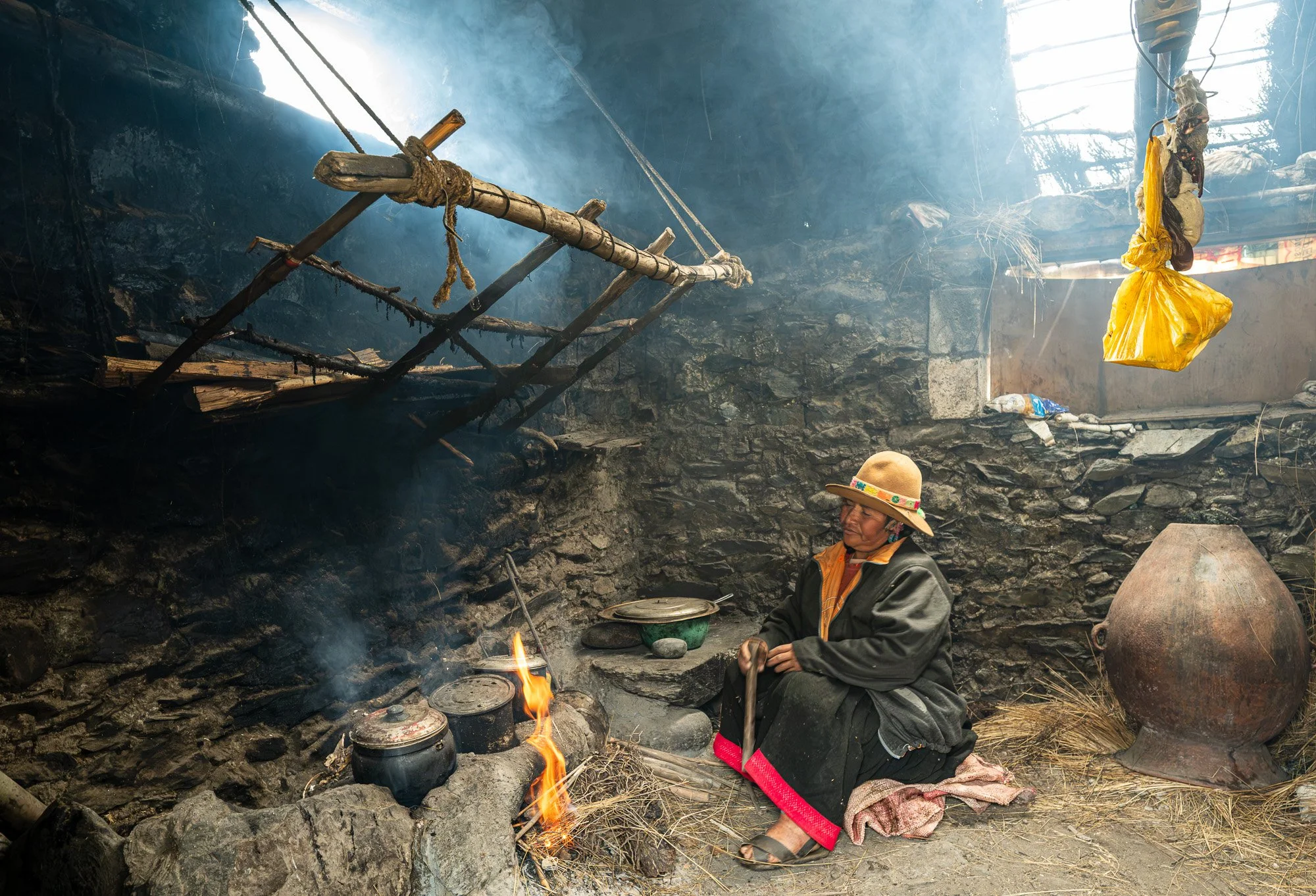
Felicitas firing up the tradtional fugon cooking stove.
As he hovered on the edge of death, Antonio began having visions and dreams. When he was about 12, his mother asked the alto mesayoq to perform offering ceremonies to save her son. After that, he began to heal, but the visions and dreams continued. He chose to take the path, and at 13 he was initiated at the sanctuary of Qoyllur Rit'i by his uncle, who is an alto mesayoq. Now in his 50s, he has spent his life learning the ceremonies and ways.
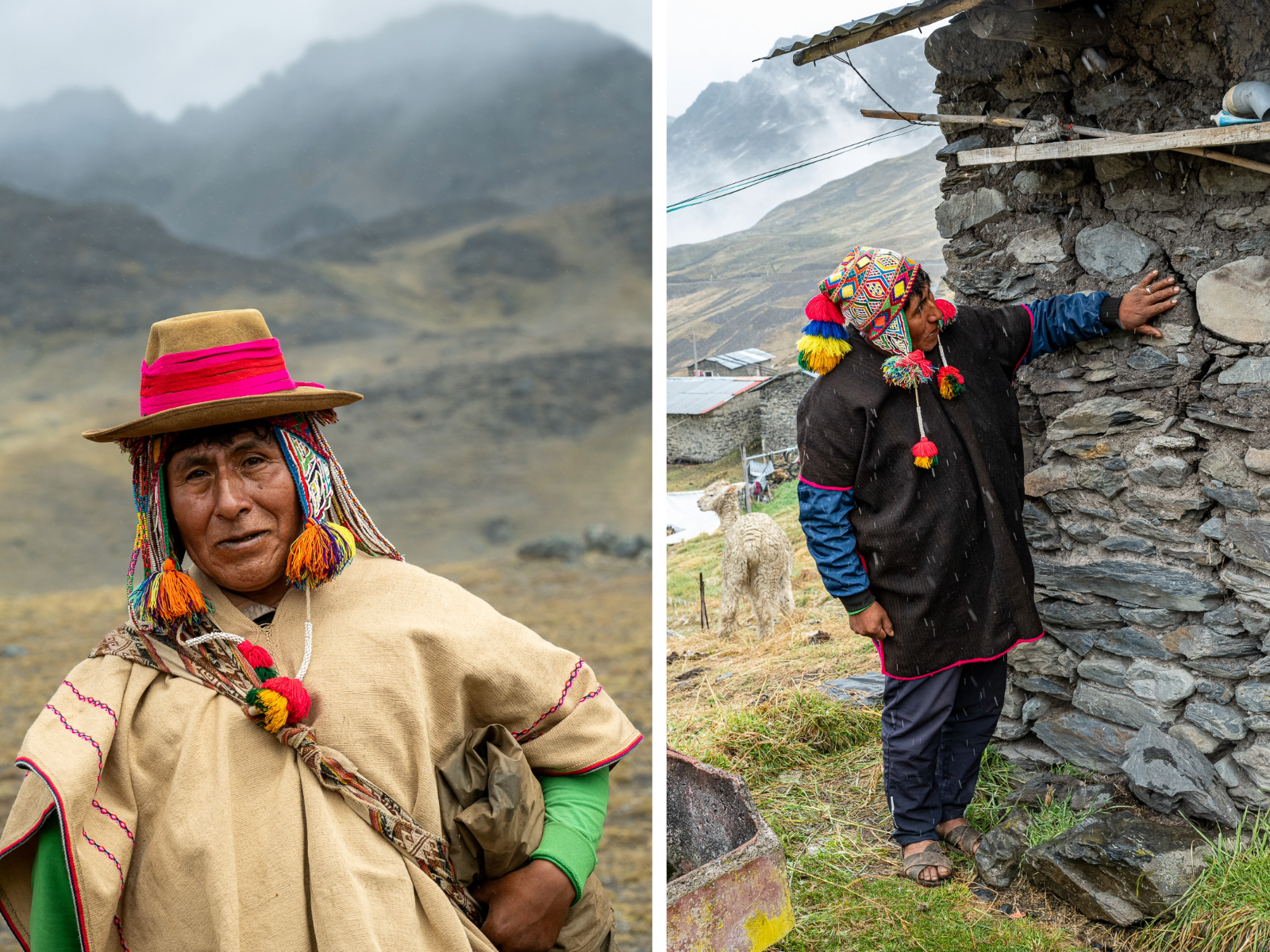
Antonio became a paqo as a result of being hit by lightning as a child, and he shows where lightning struck his home in recent years as well.
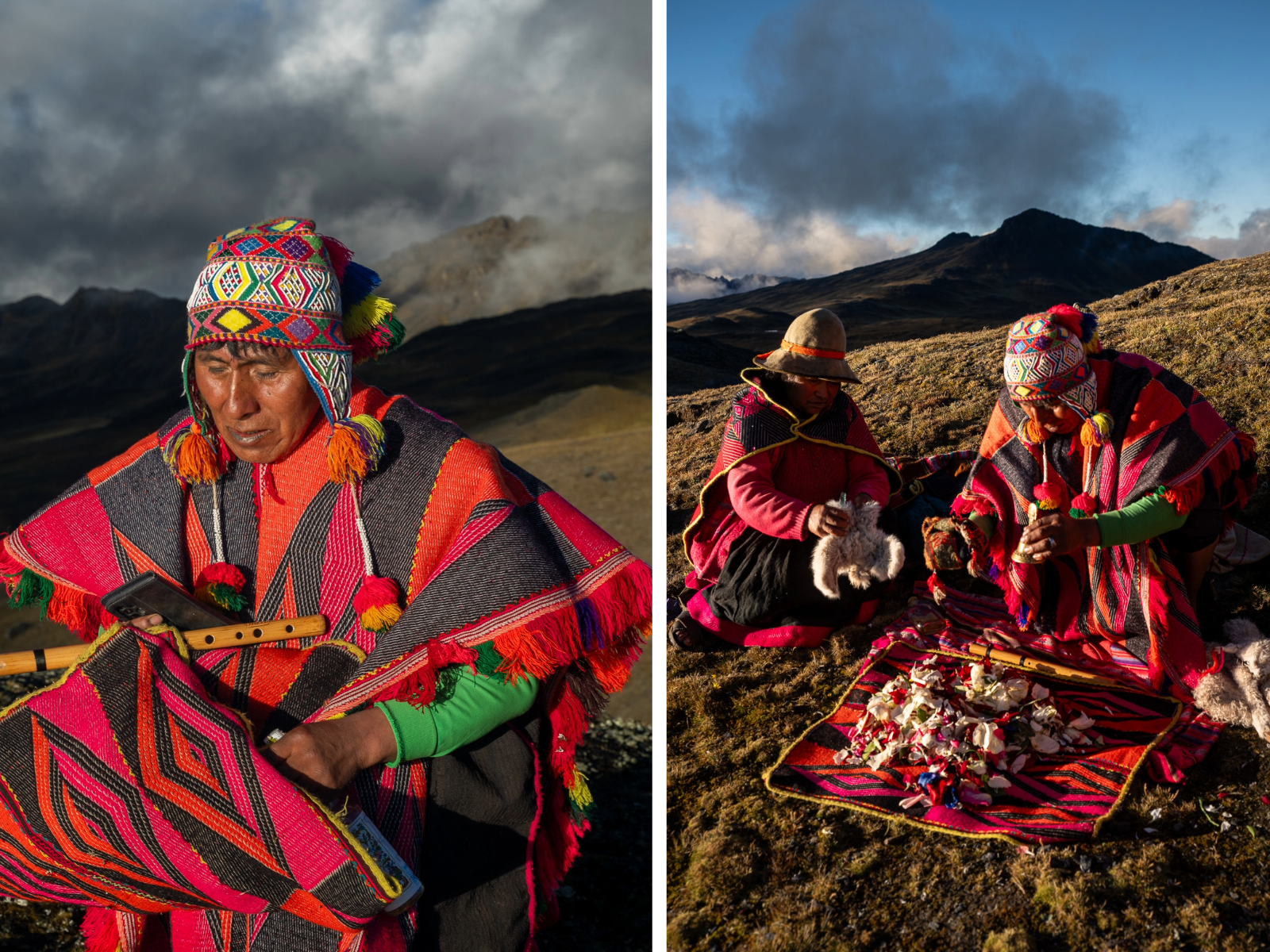
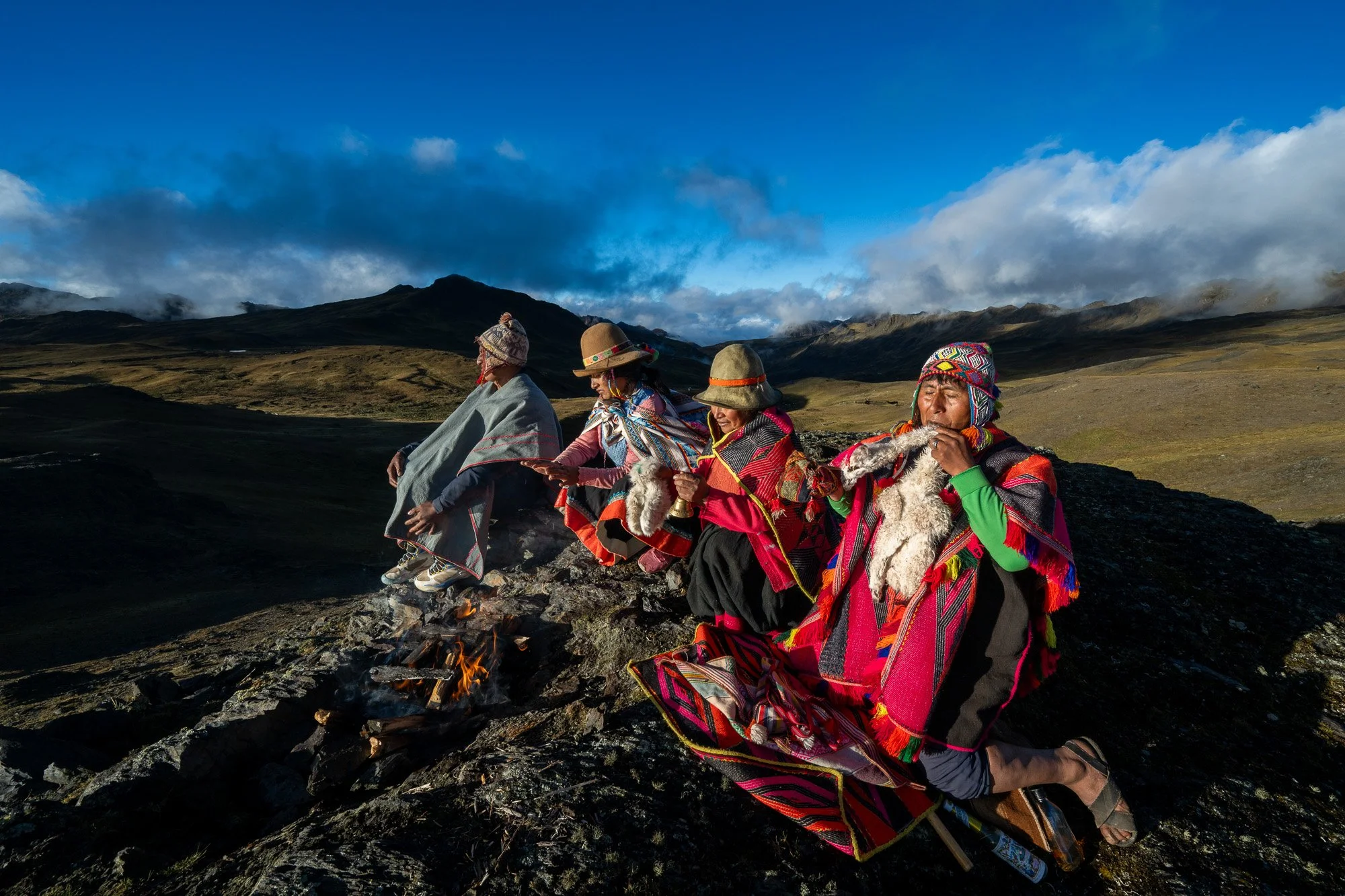
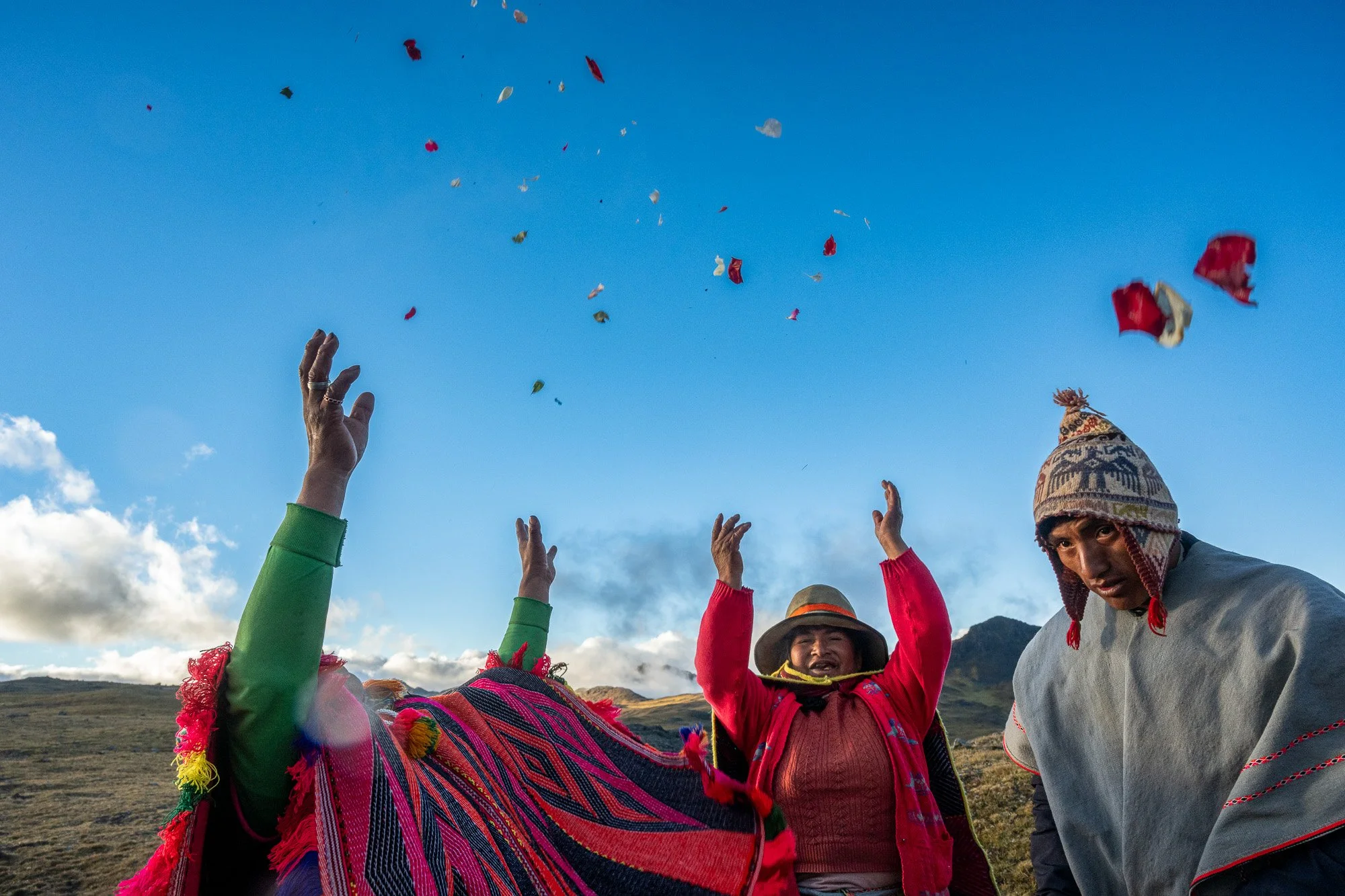
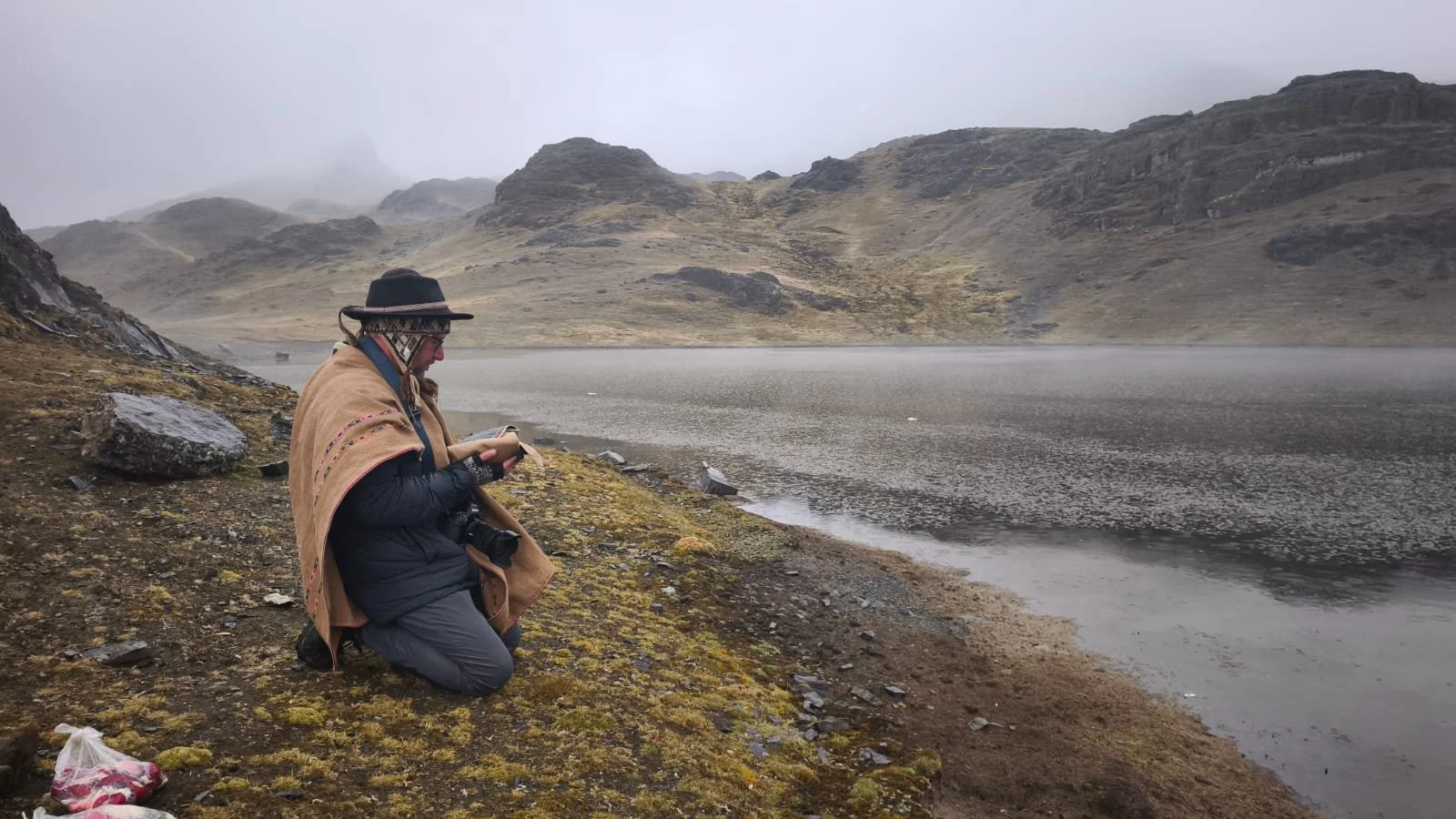
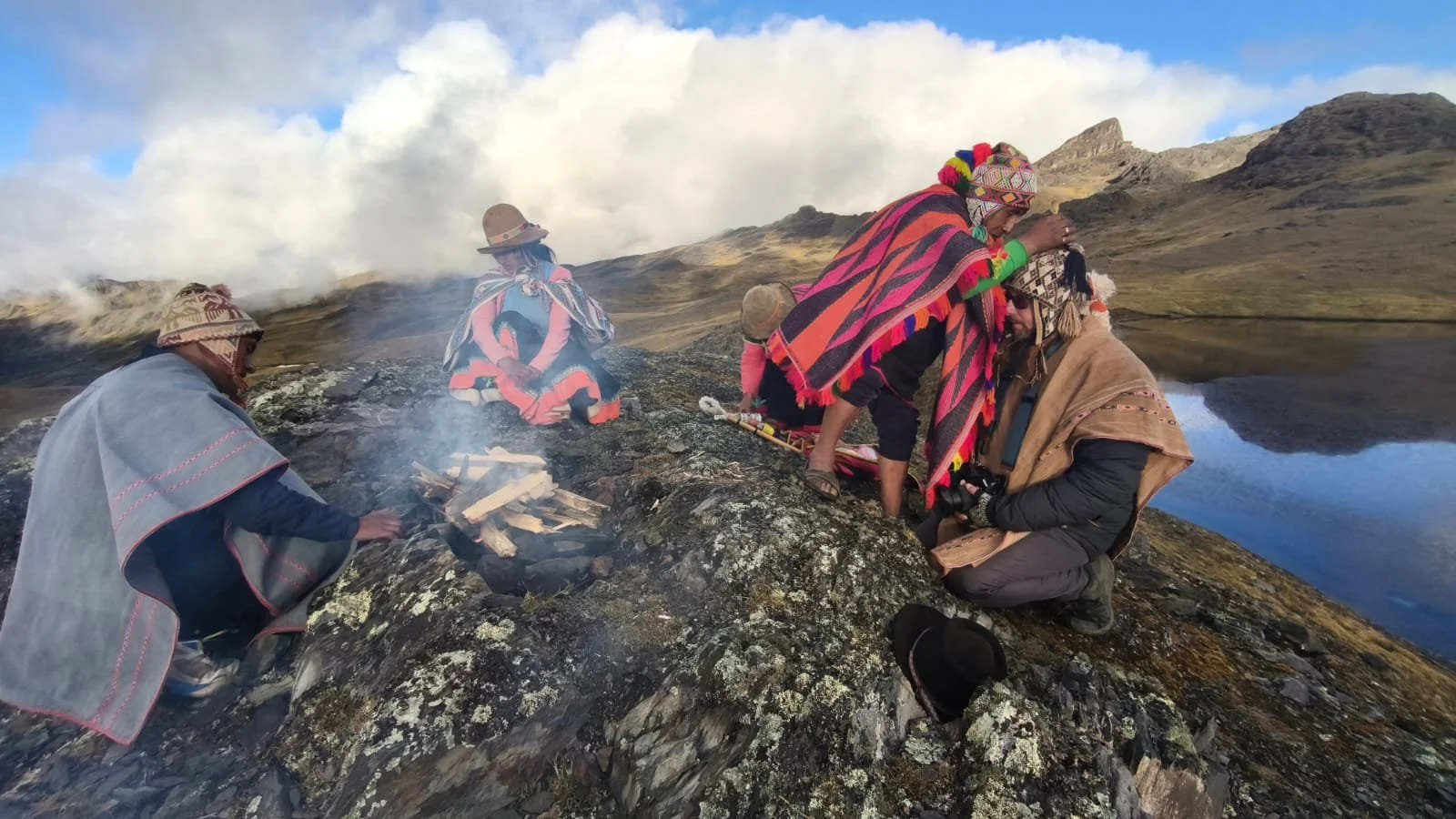
I travelled to Chua Chua with Antonio to learn about them. Over the days, he explained things as we went, shared stories, and answered my questions. Yeymy, a Quechua translator and documentarian, translated for me, so we learned together. Antonio performed three ceremonies for me: a welcoming ceremony, a ceremony for the animals, and, most importantly, an initiation ceremony. It was a very special and great honour.
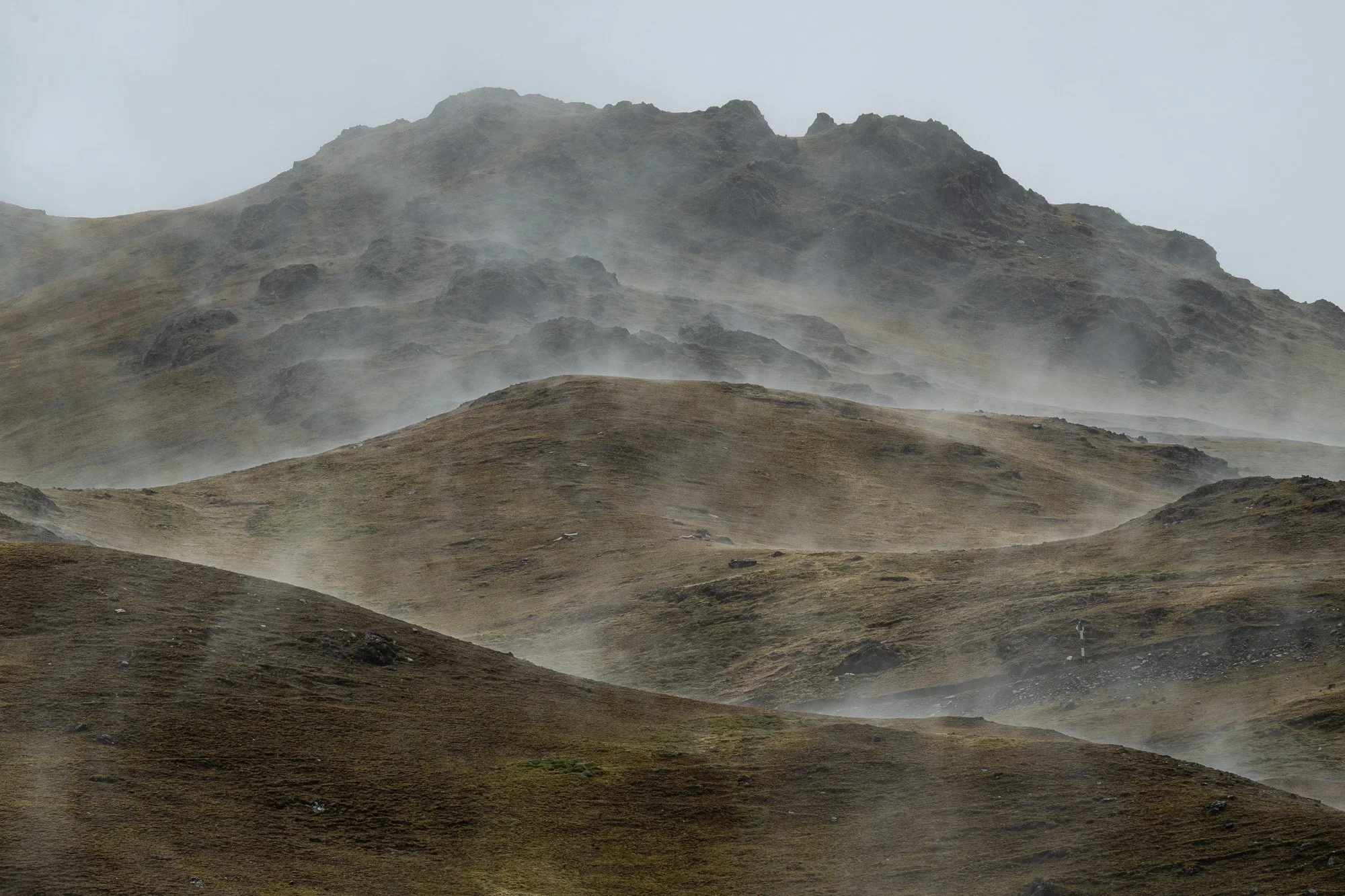
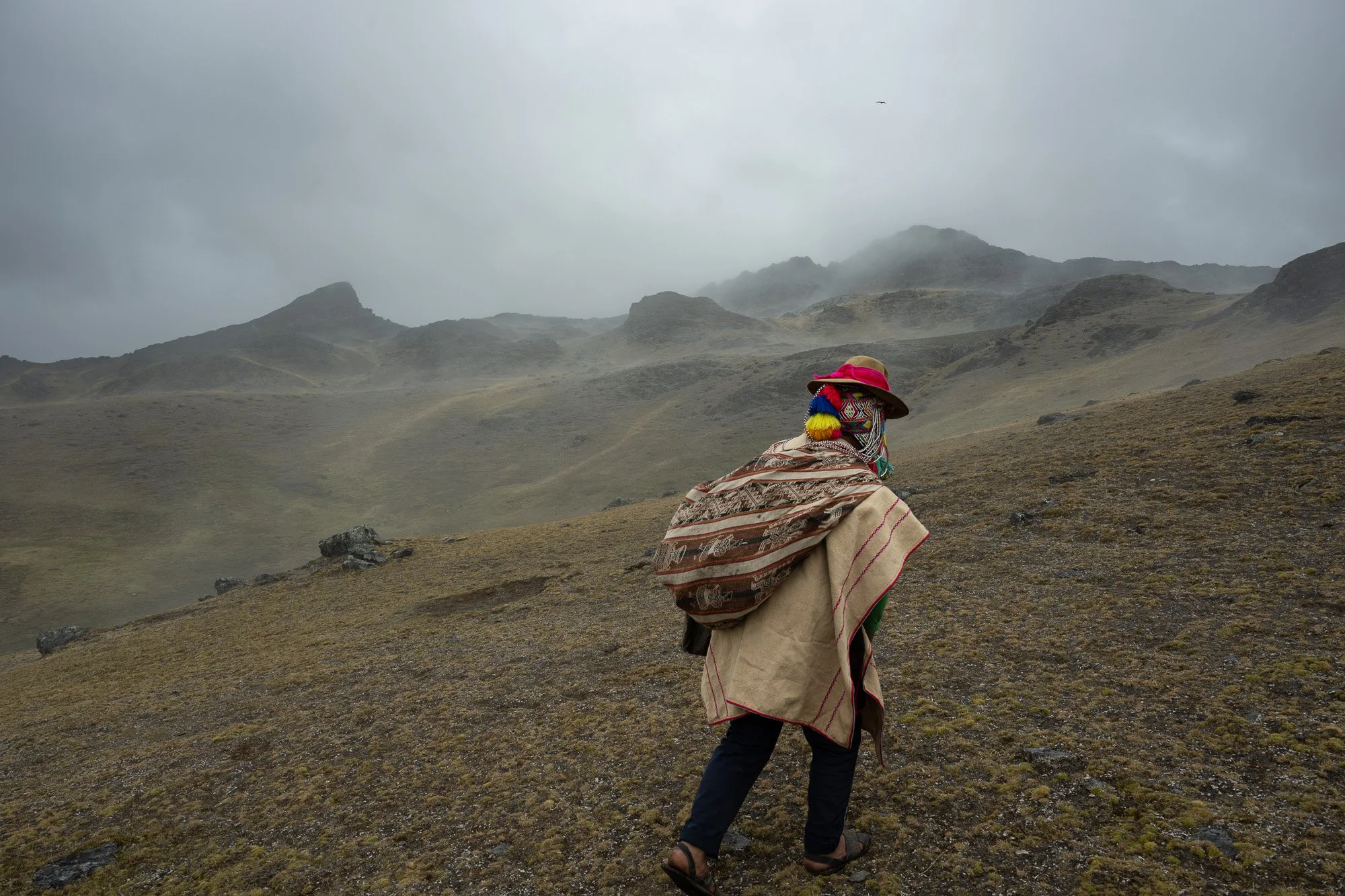
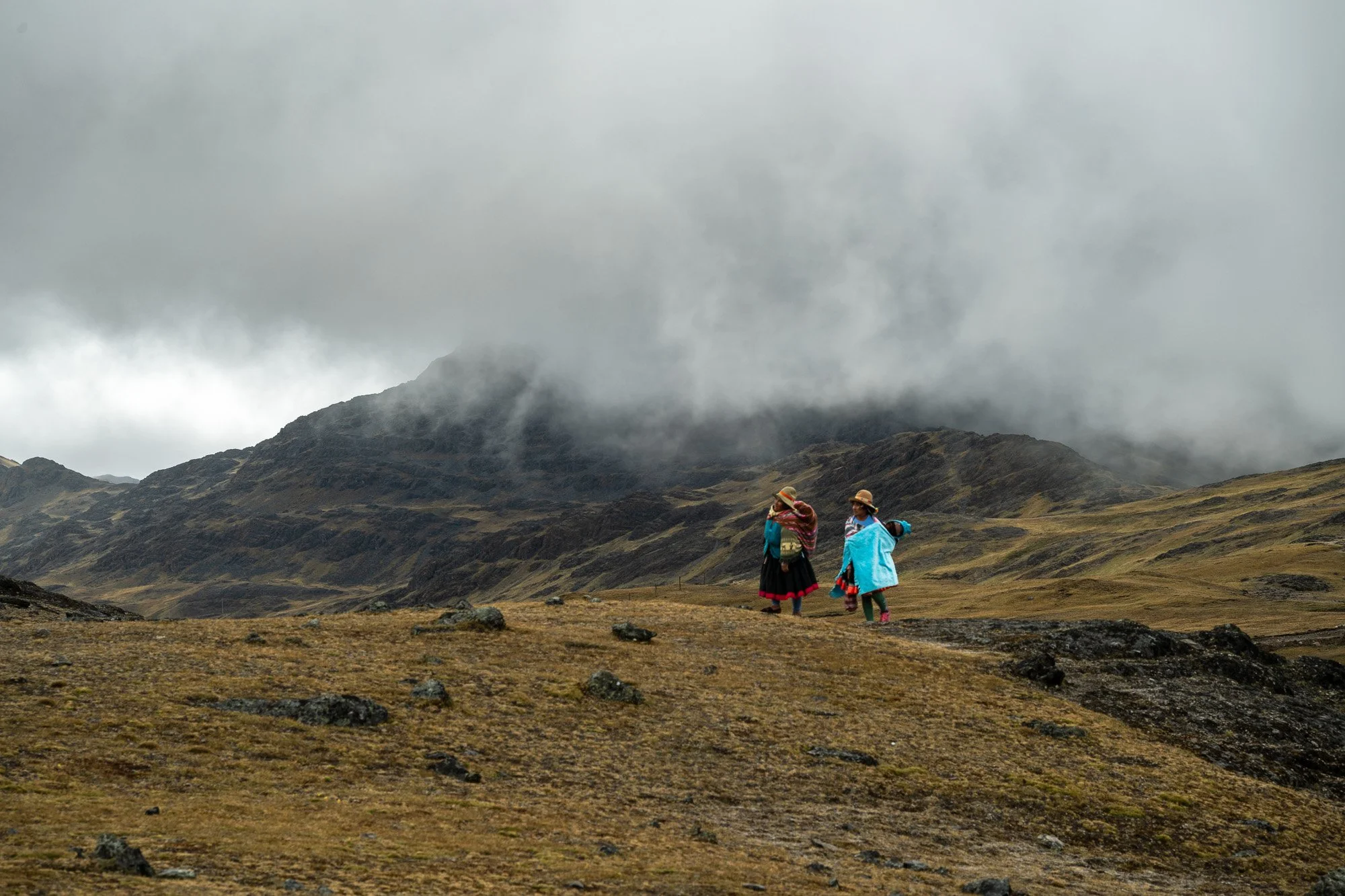
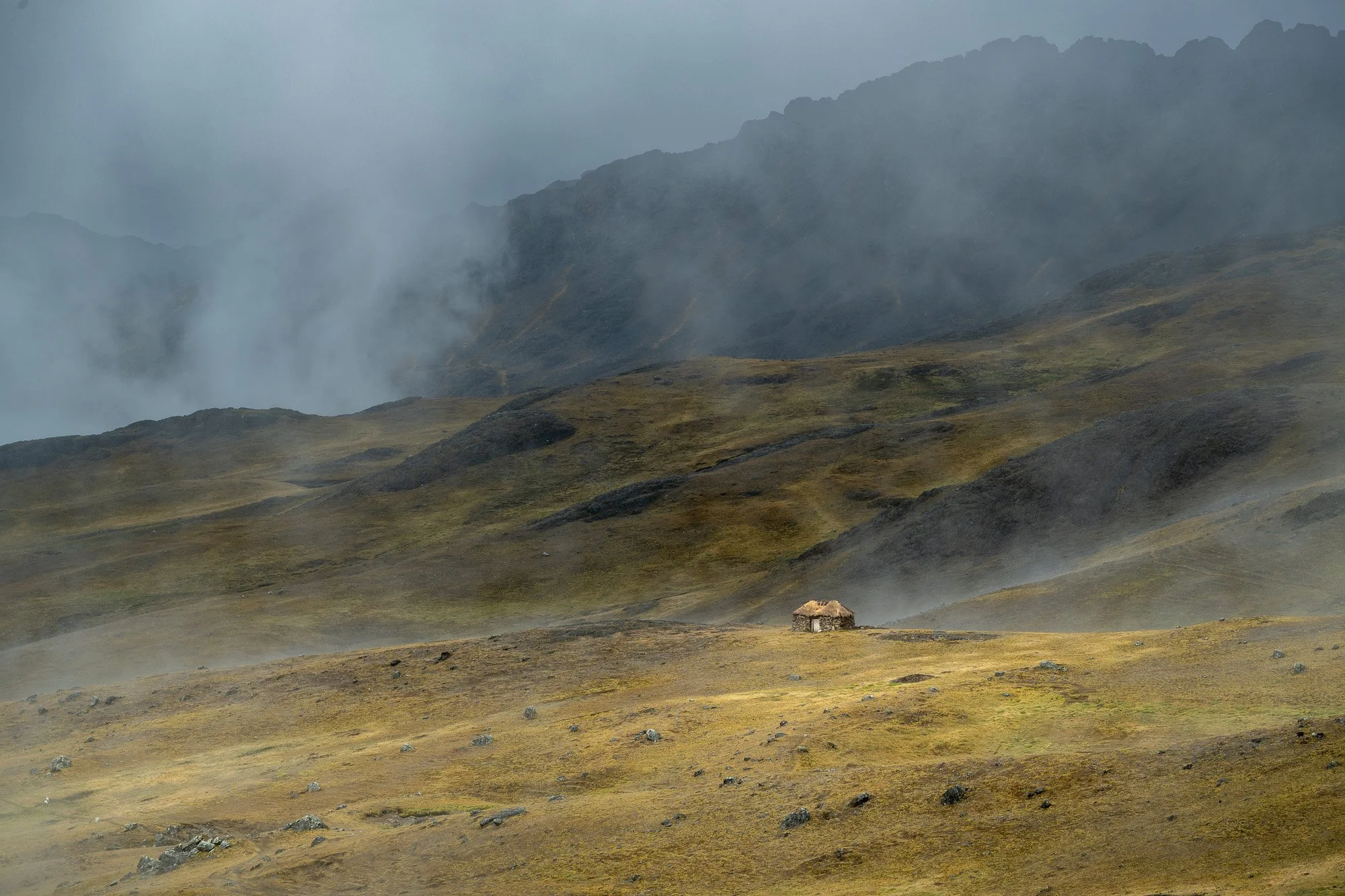
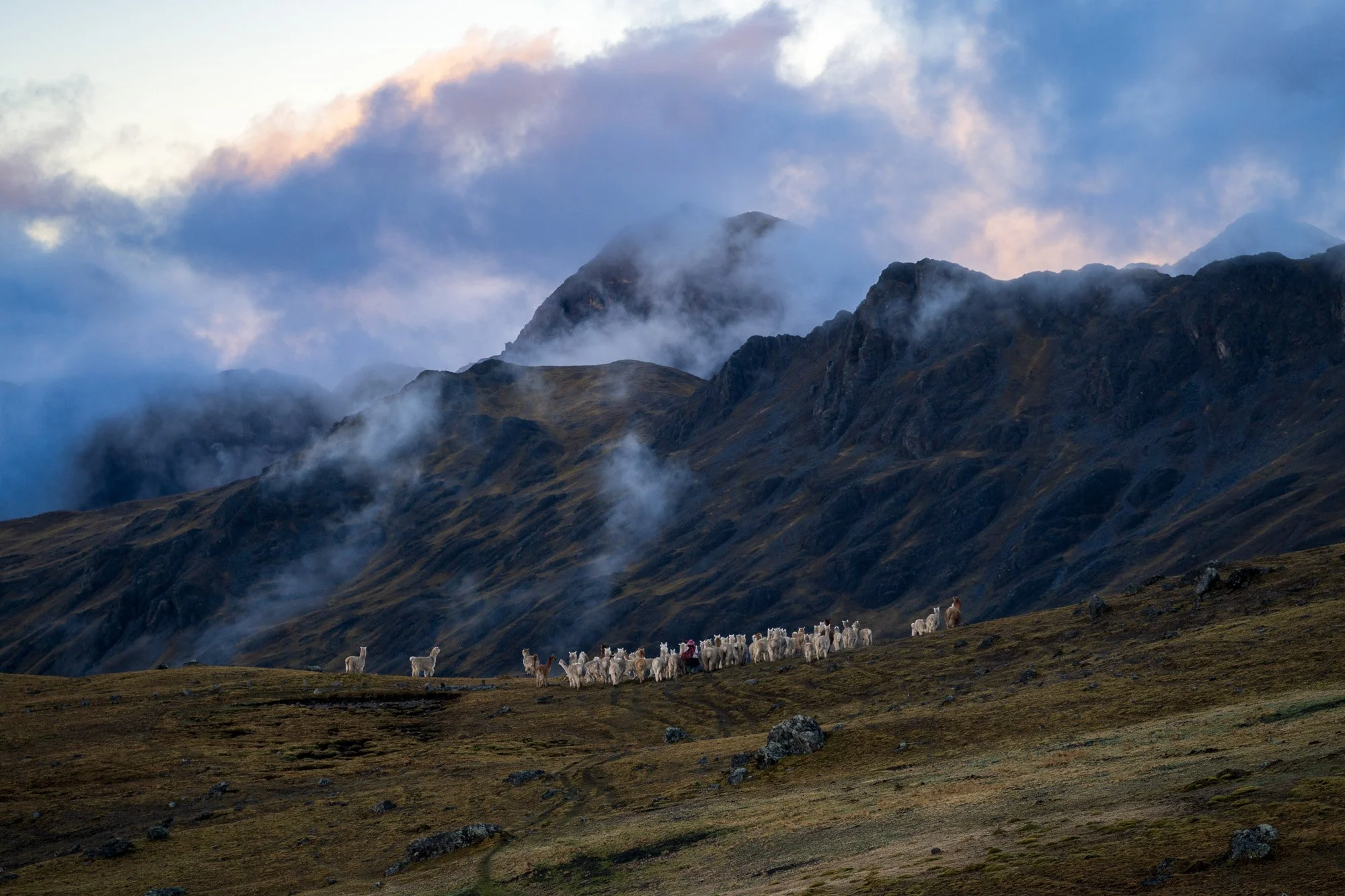
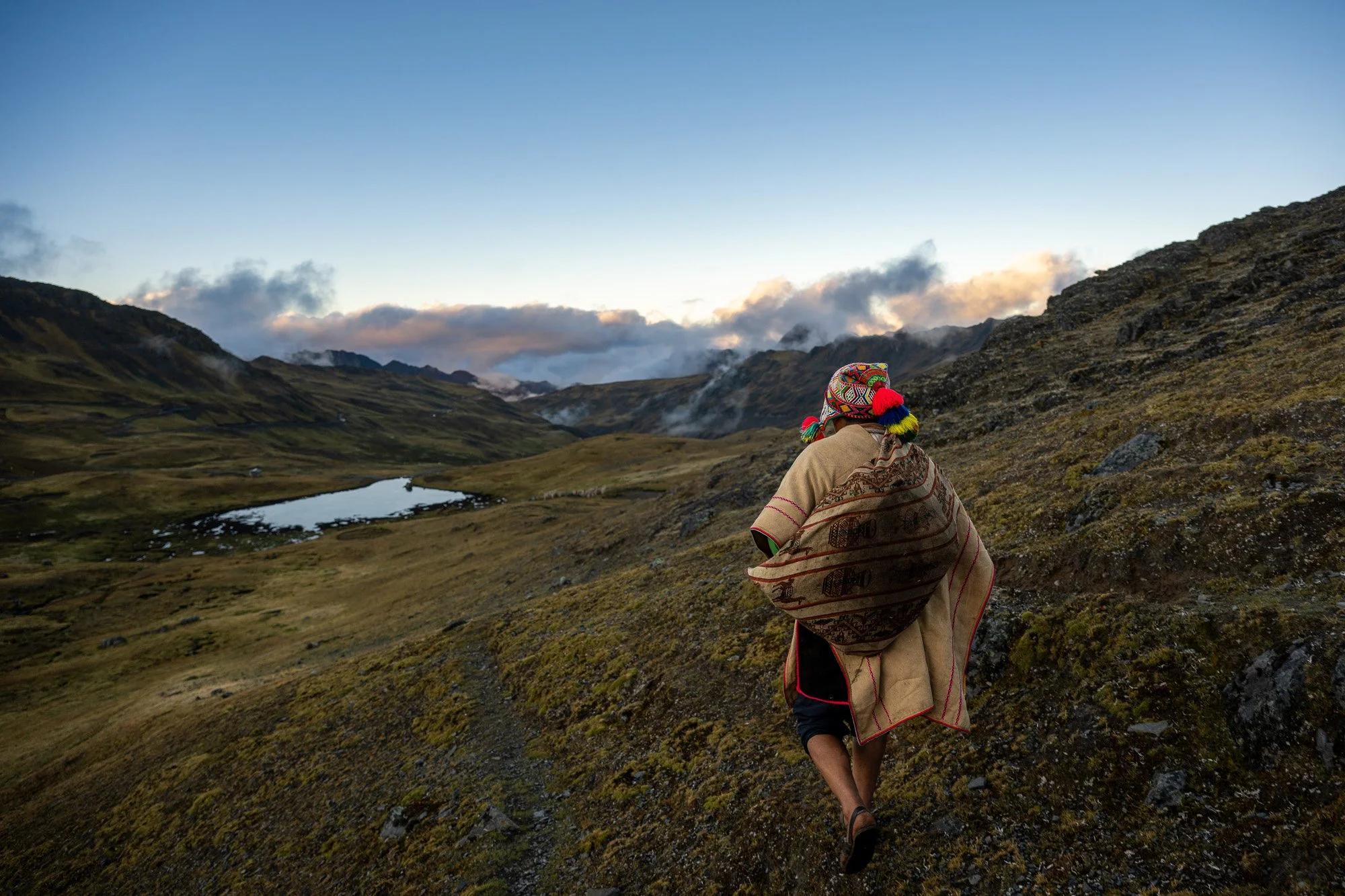
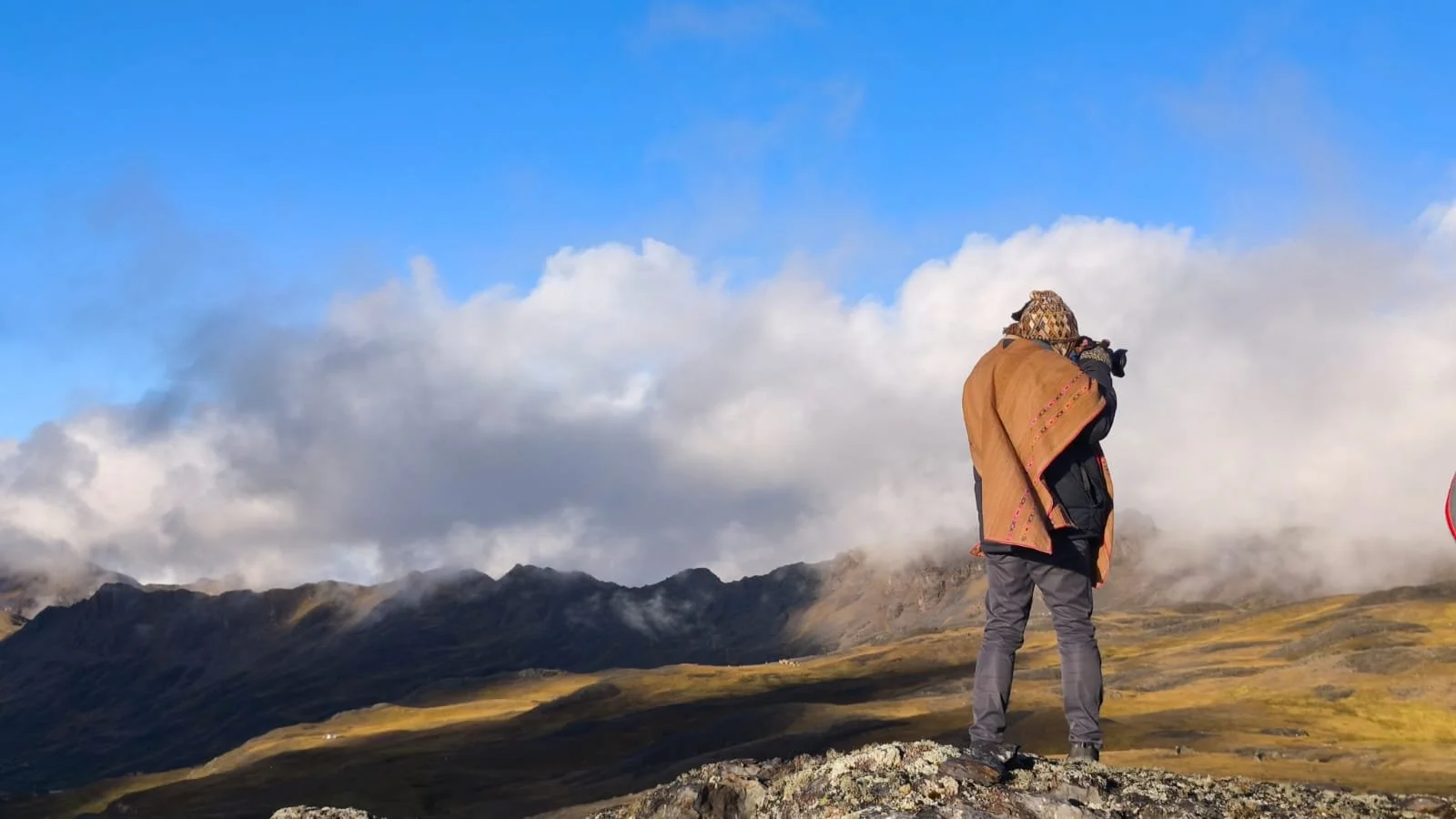
Q'eros is a silent and starkly beautiful place. It sits high in the Andes just before the land drops away into the Amazon basin. Hot, humid air from the Amazon mixes with the cold, dry air of the Andes, and the valleys fill with cloud and mist creeping up toward the heights. It creates a surreal, magical feeling that felt exactly right for the ceremonies.
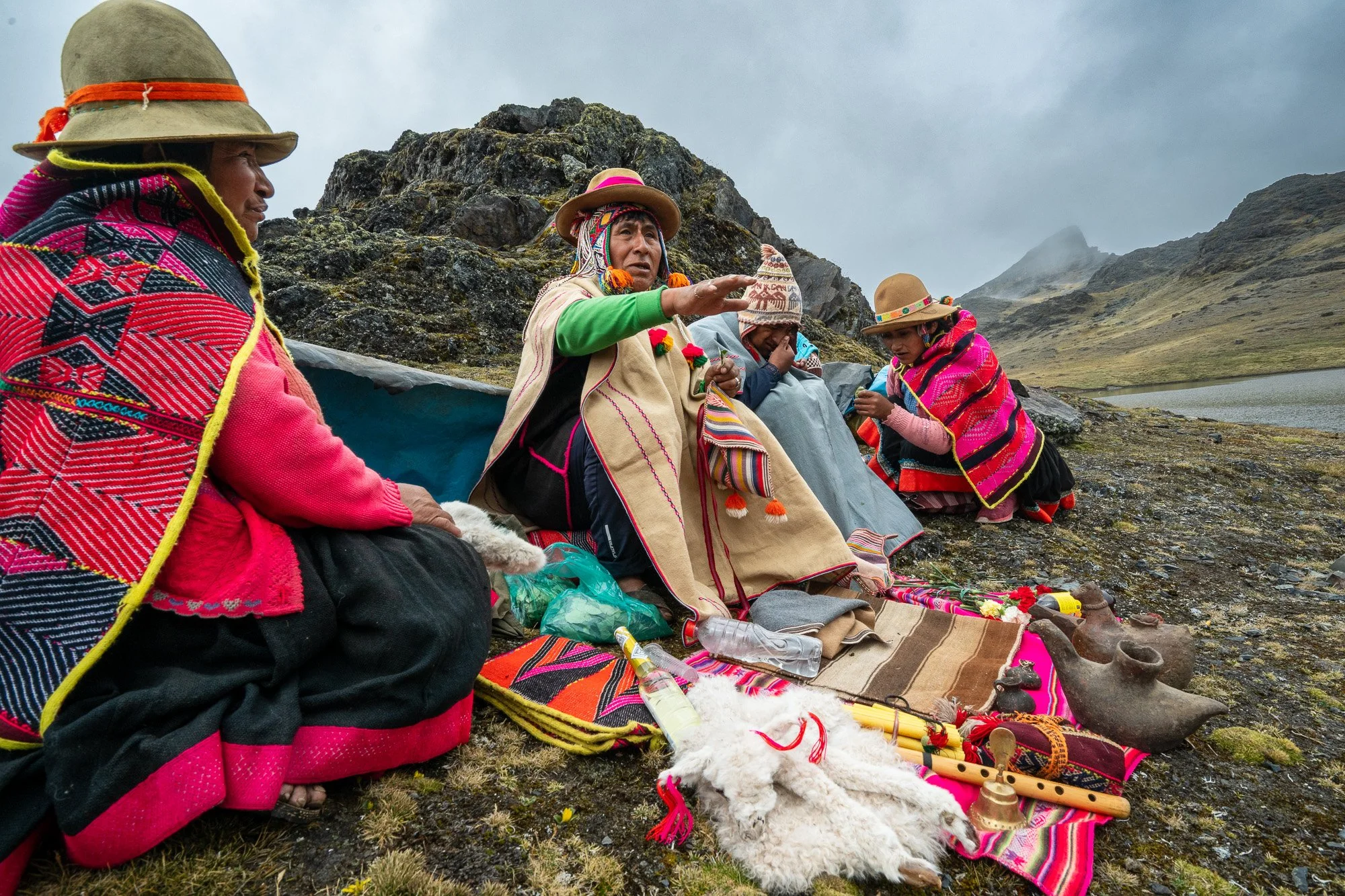
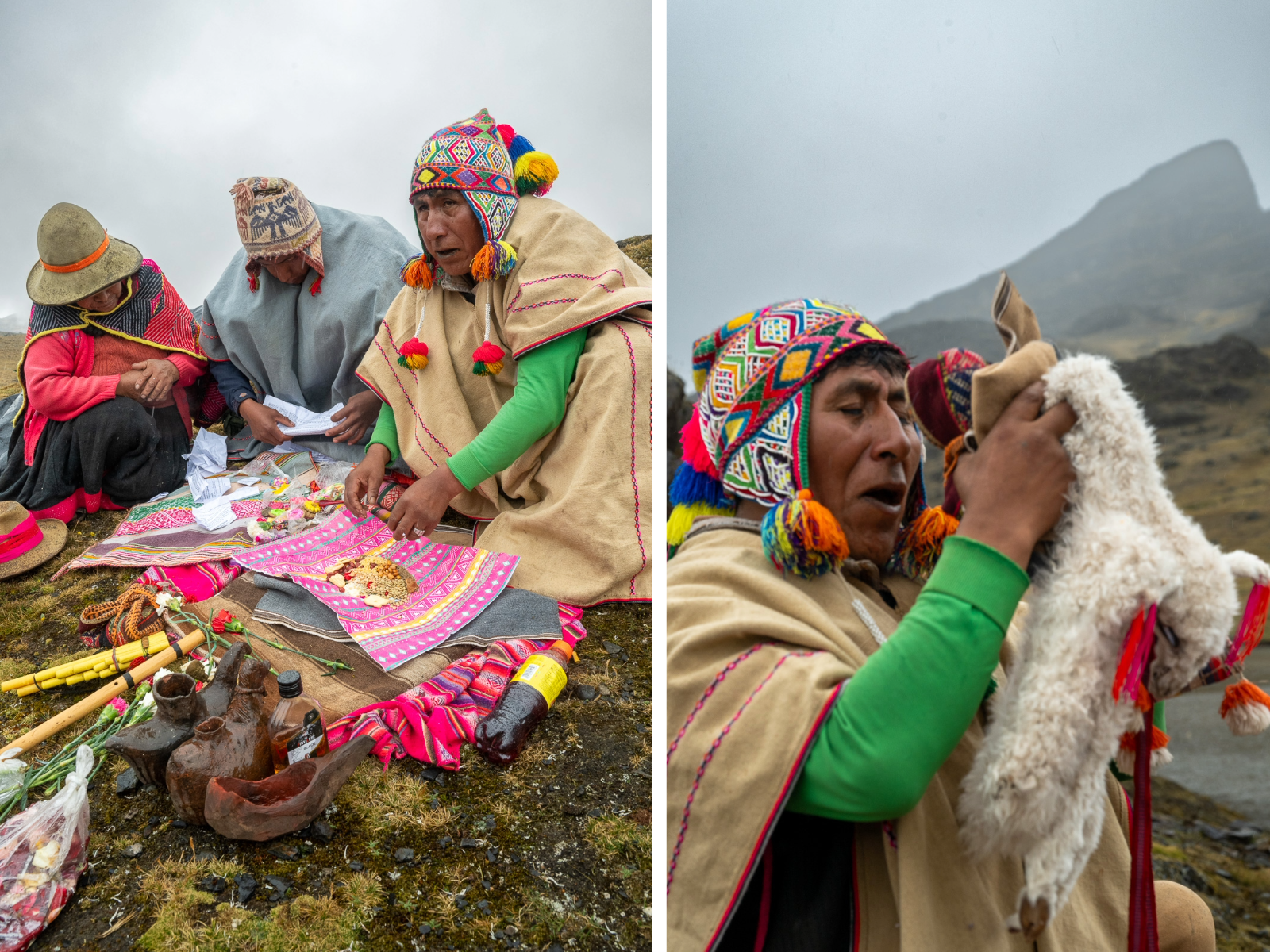
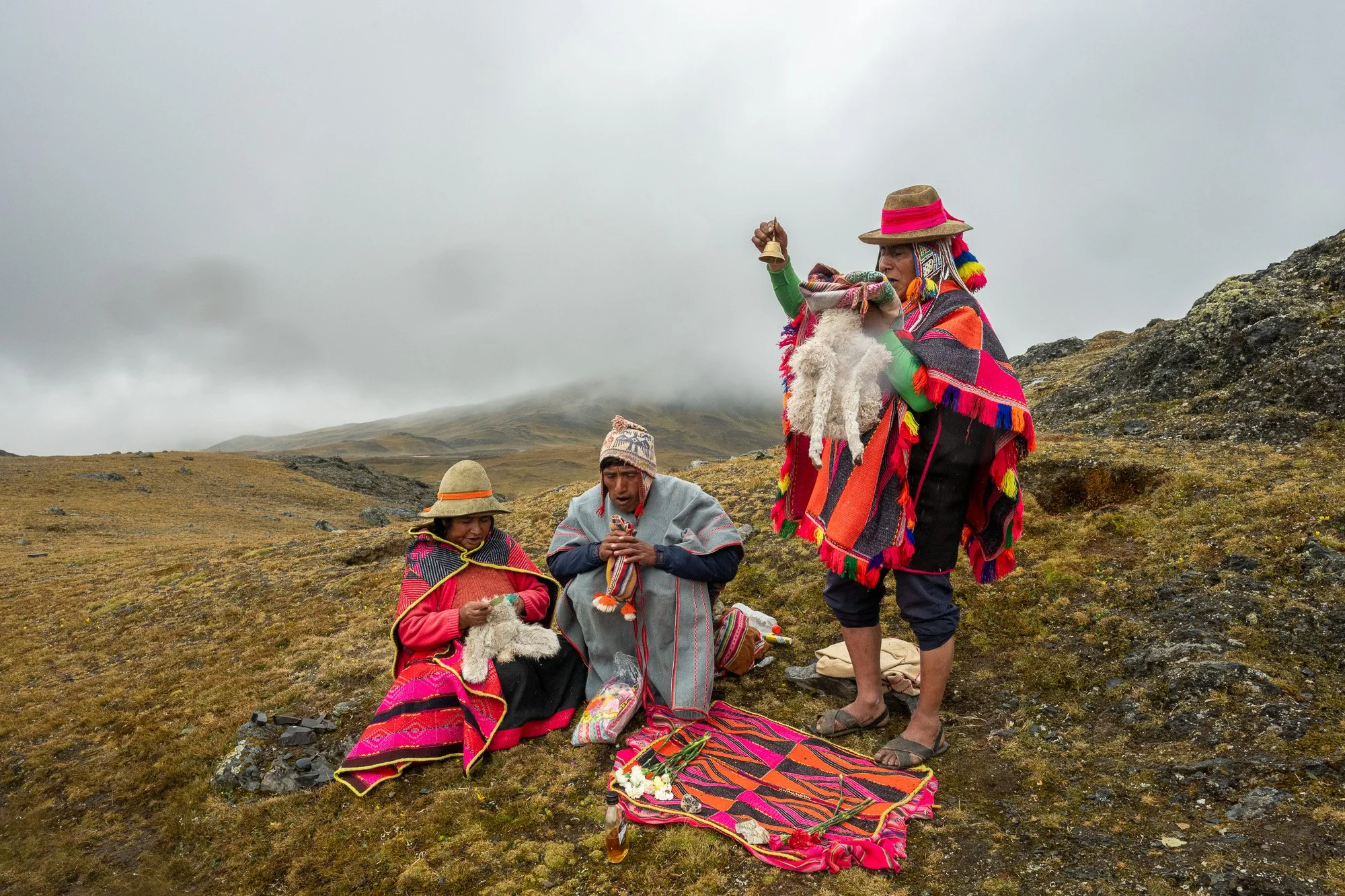
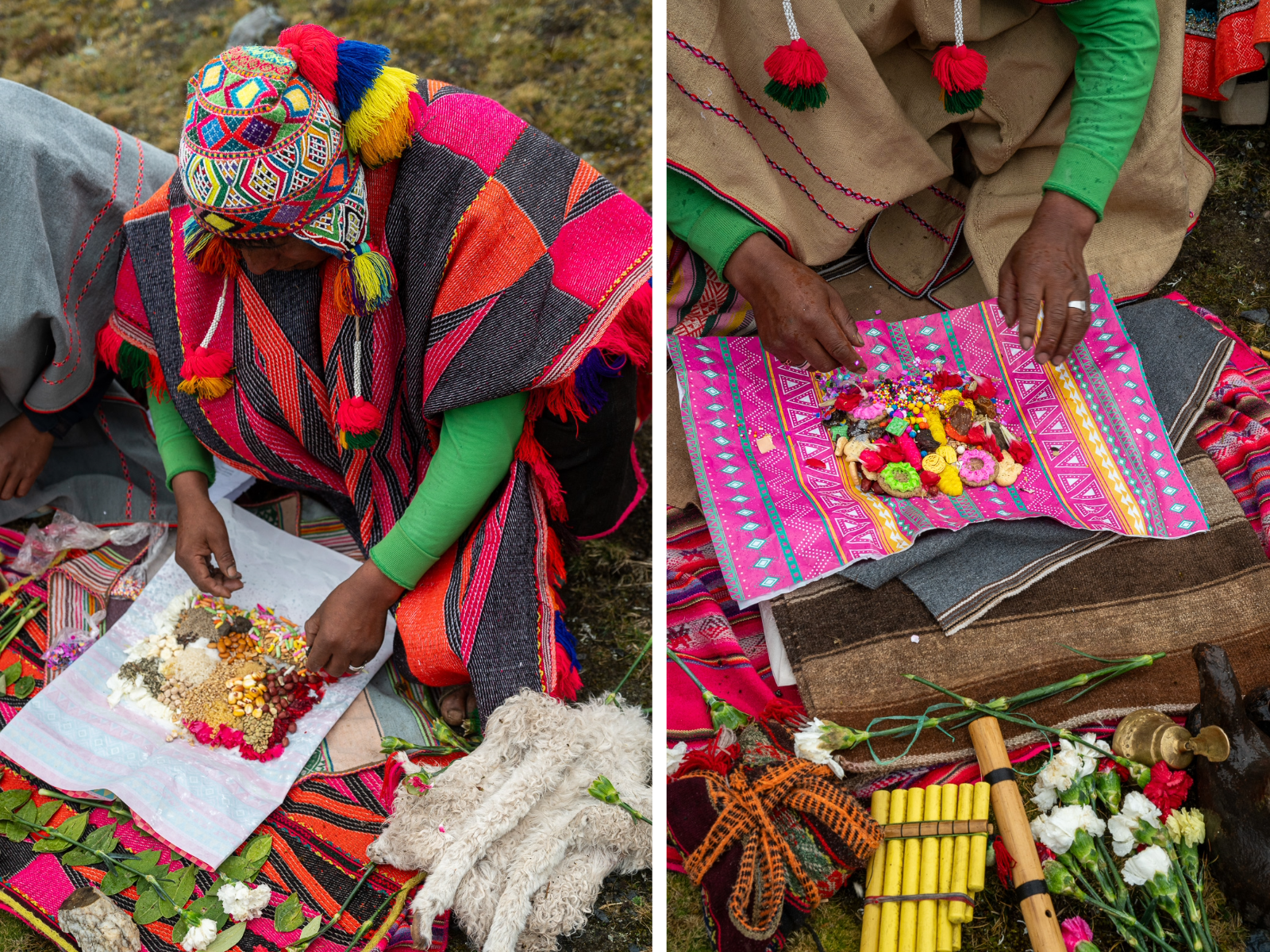
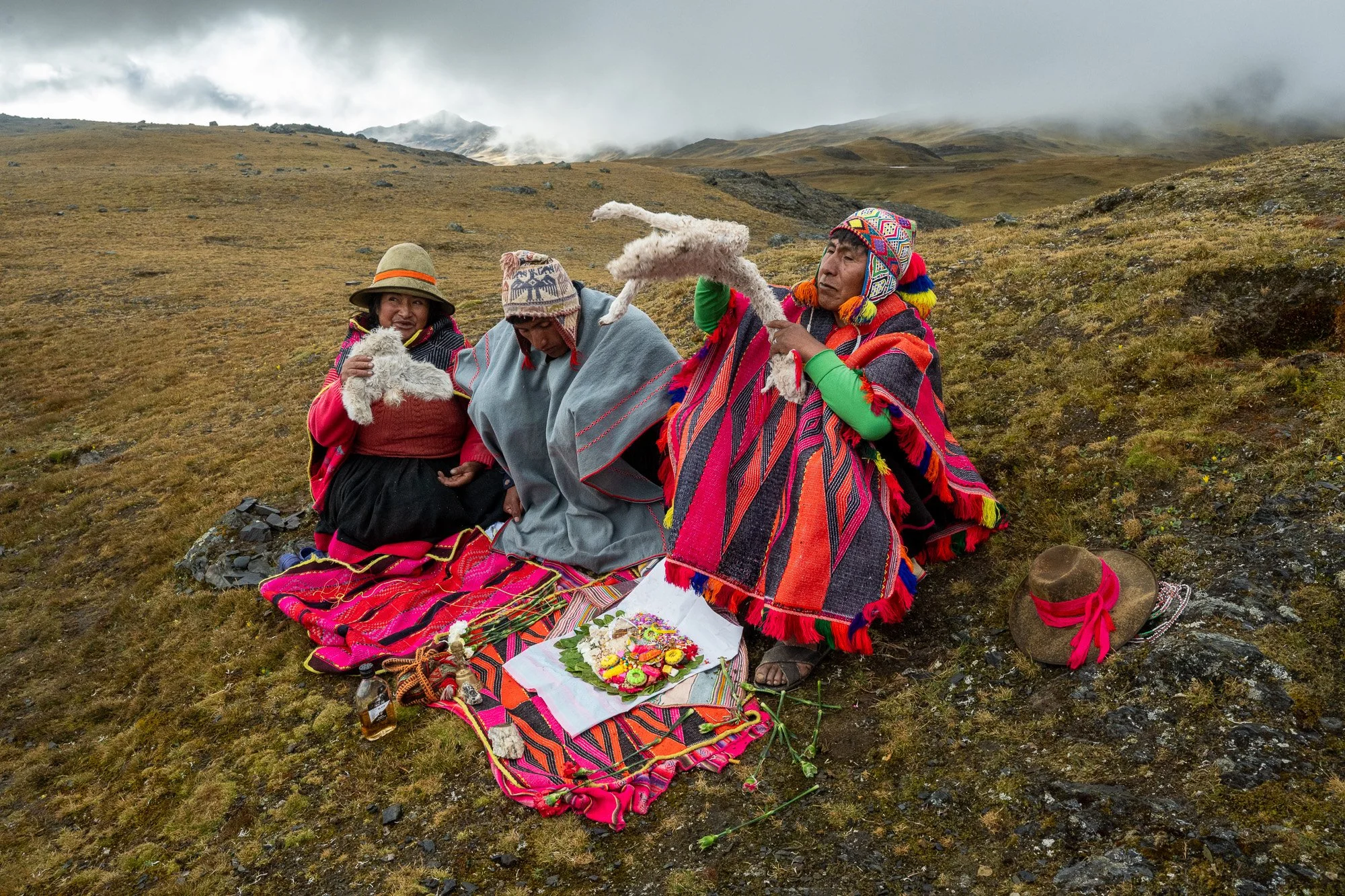
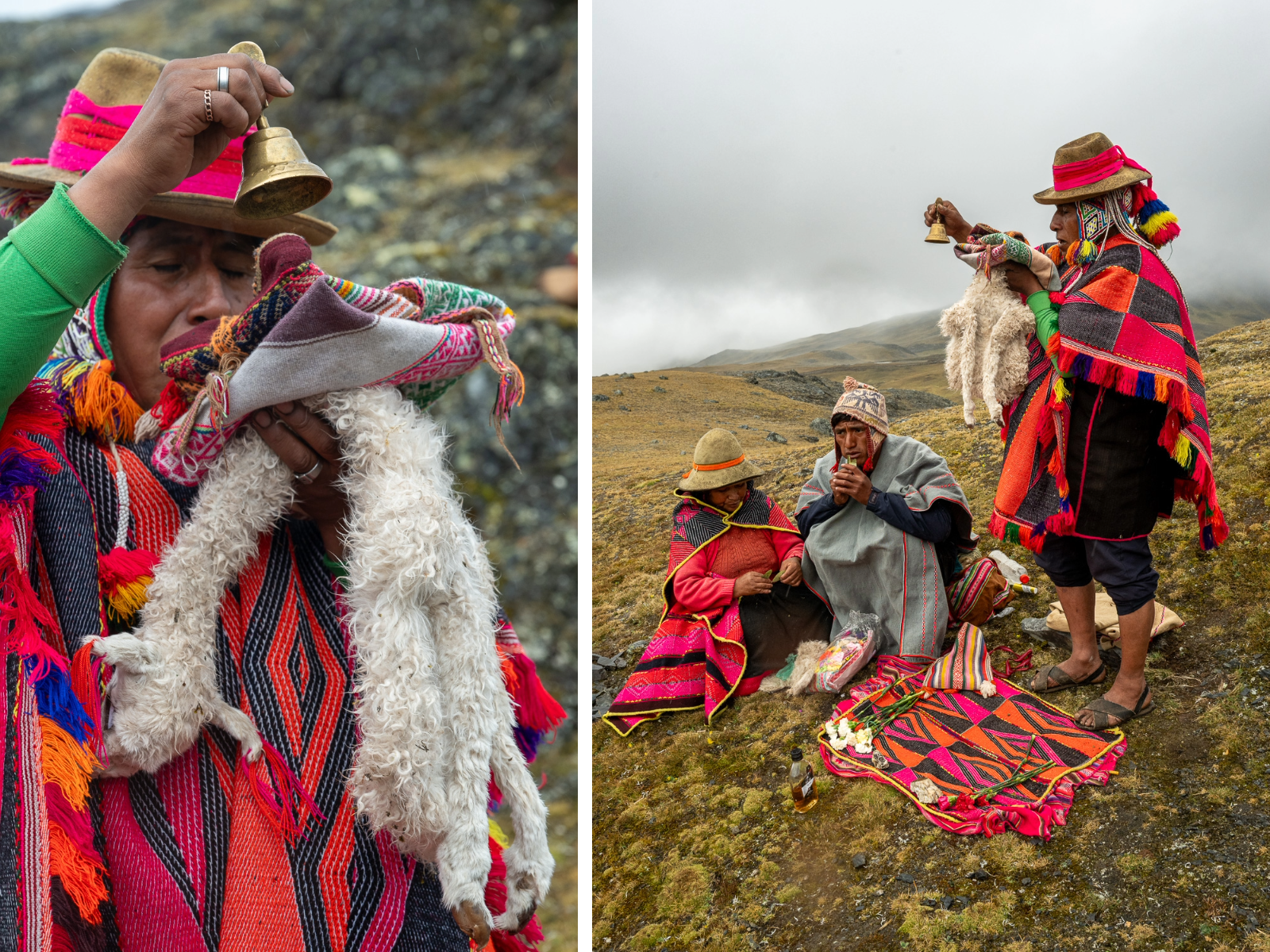
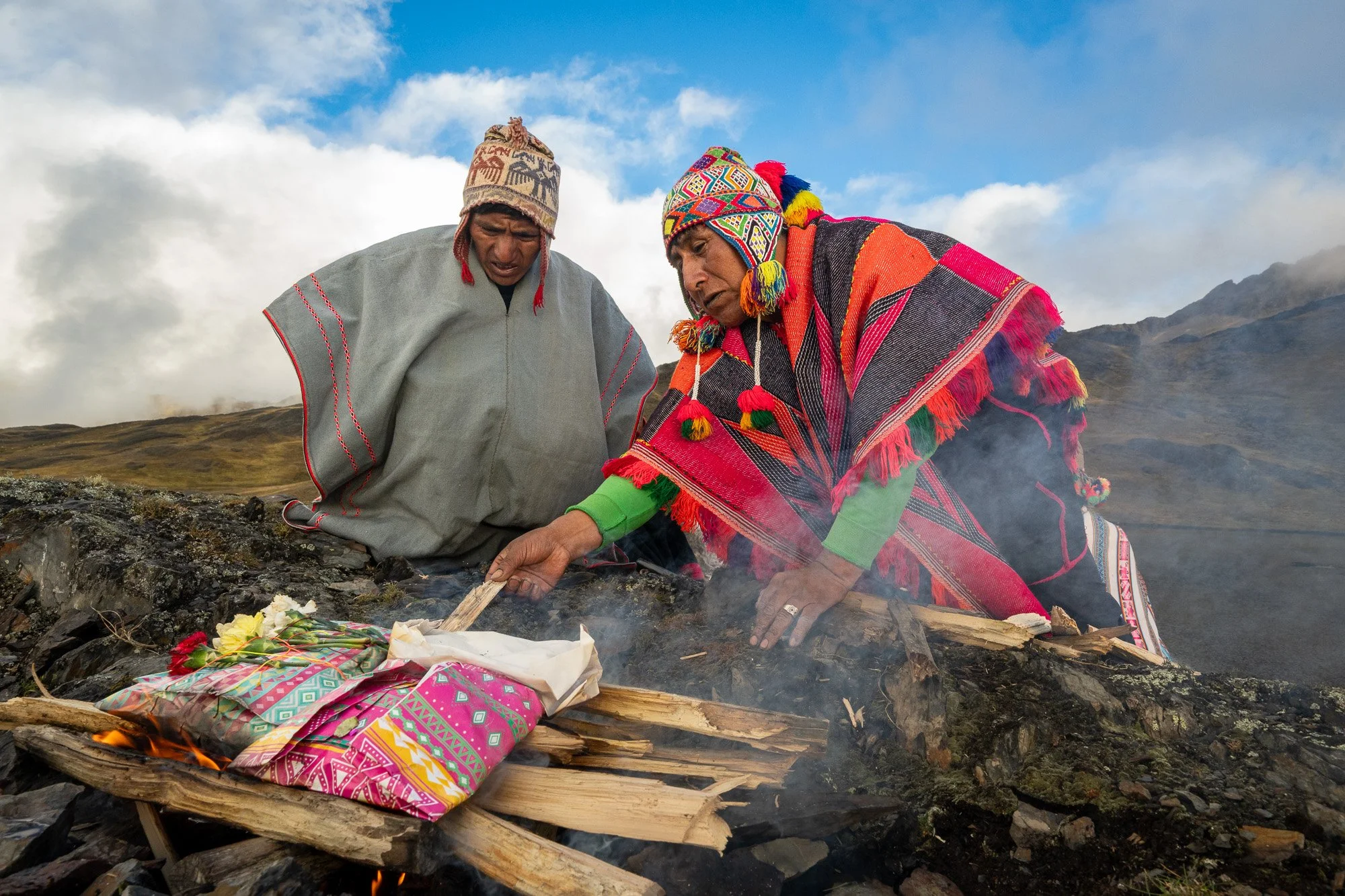
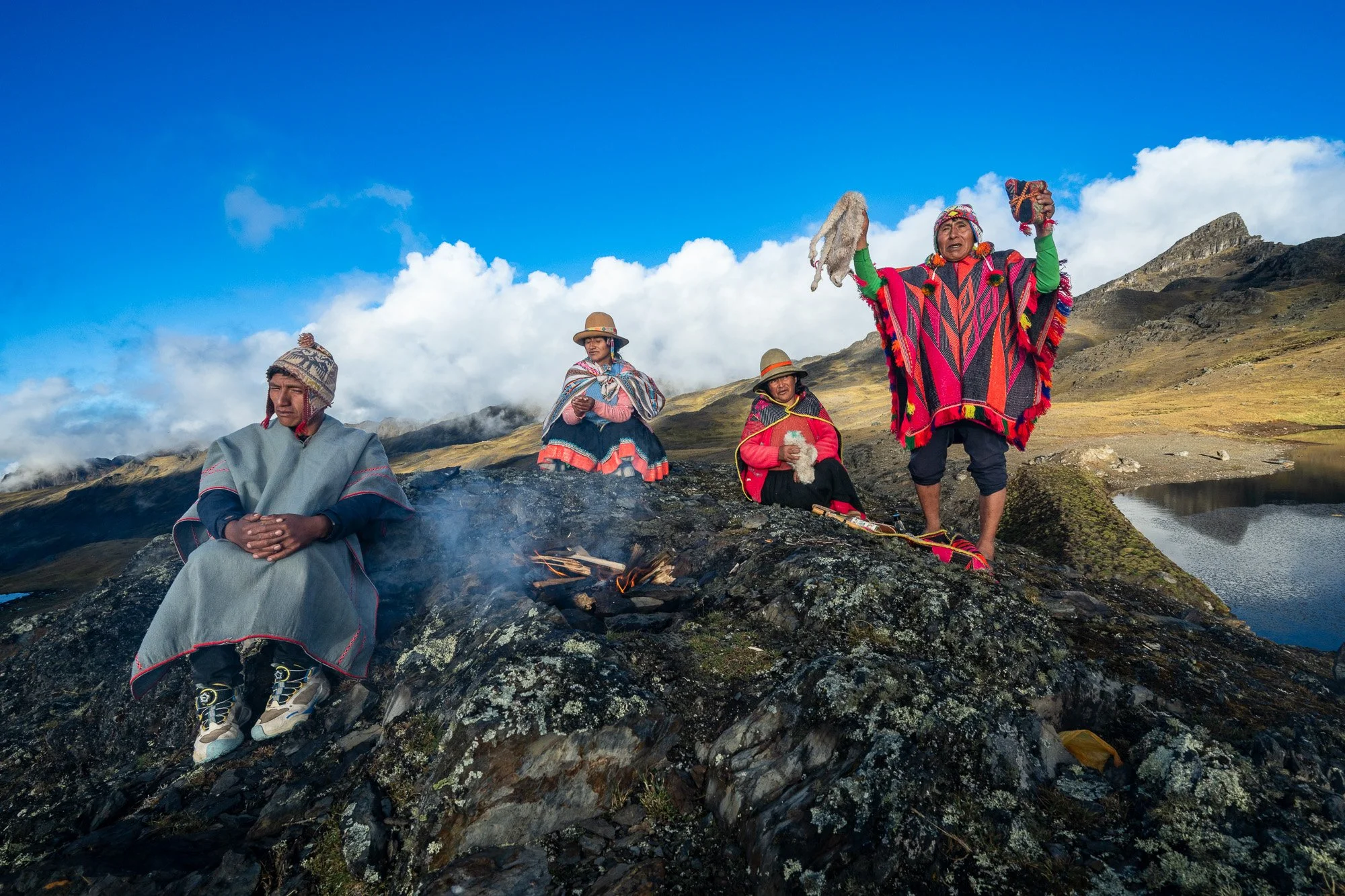
The animal and initiation ceremonies took place high on the altiplano beside an important laguna, away from people and dogs so that no outside energy would influence them. We prepared offerings of k'intu (coca leaves) and gifts for Pachamama, carefully wrapped them, and burned them on top of a rock at a high point. It had rained, snowed, and hailed all day until we began the ceremonies, and then the weather broke. By the time the offerings were presented and burned, the sun broke through. Pachamama had received us. I was told I was now with the Apus, and the Apus were now with me.
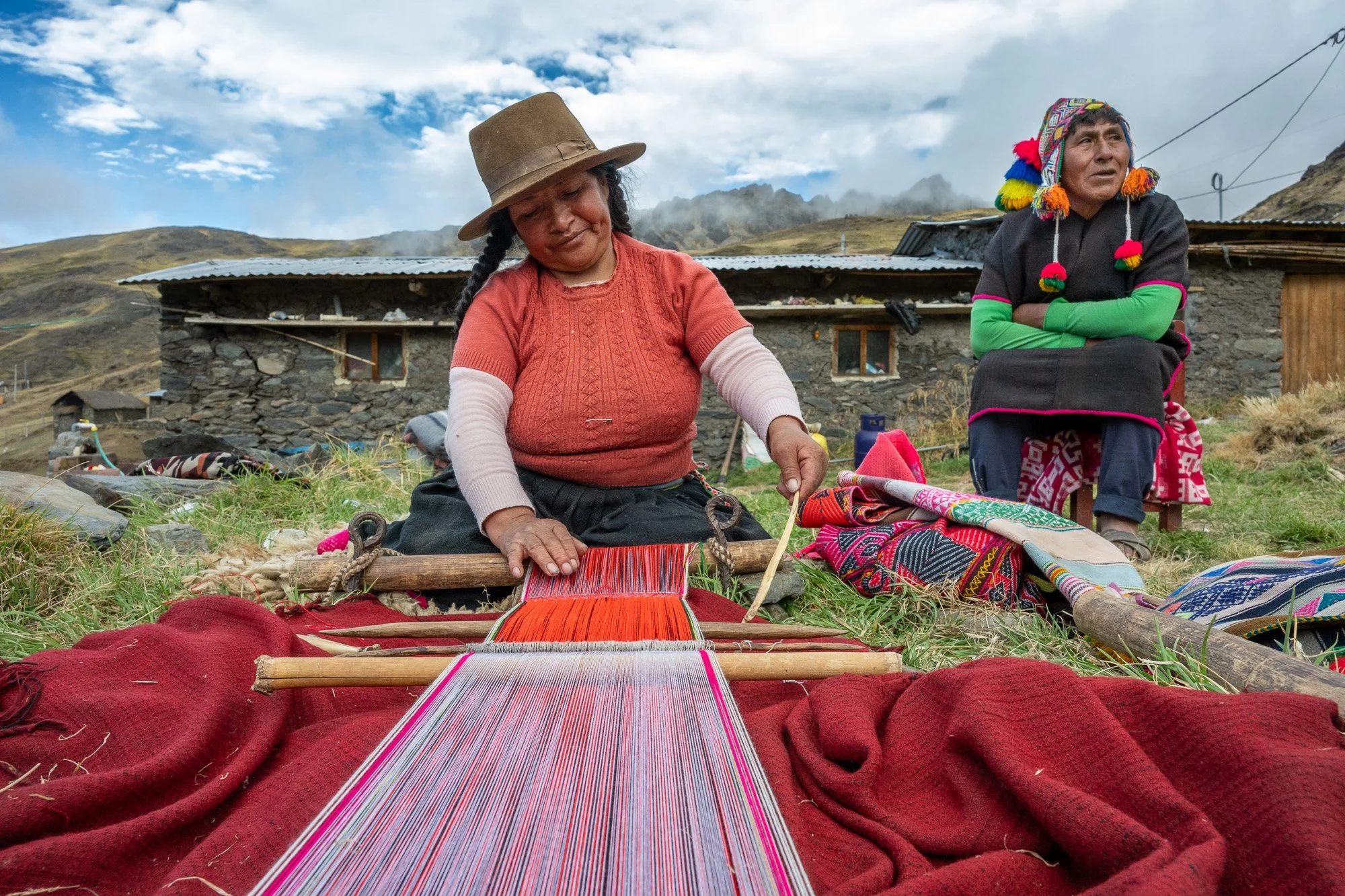
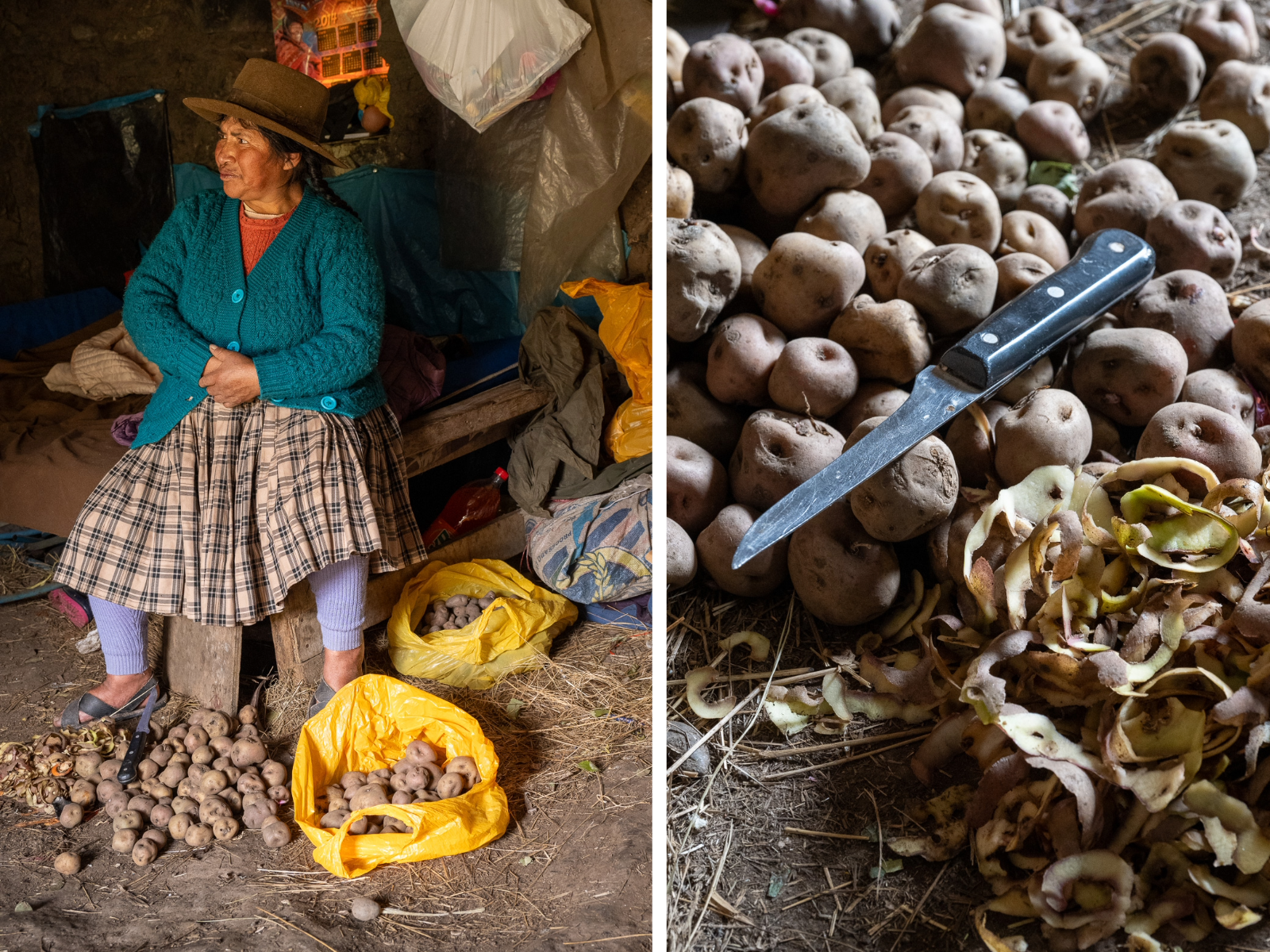
Textiles are another part of the culture that Q'eros has held onto. Antonio's wife, Felicitas, is a knowledge keeper and practitioner who weaves traditional clothing and ceremonial pieces by hand, spinning her own yarn from their alpacas' wool. Their daughter, Rocila, has been weaving since she was six and is now 23. Rocila and her husband, Jose Luis, have a young son, Lian, who is one year and four months old.
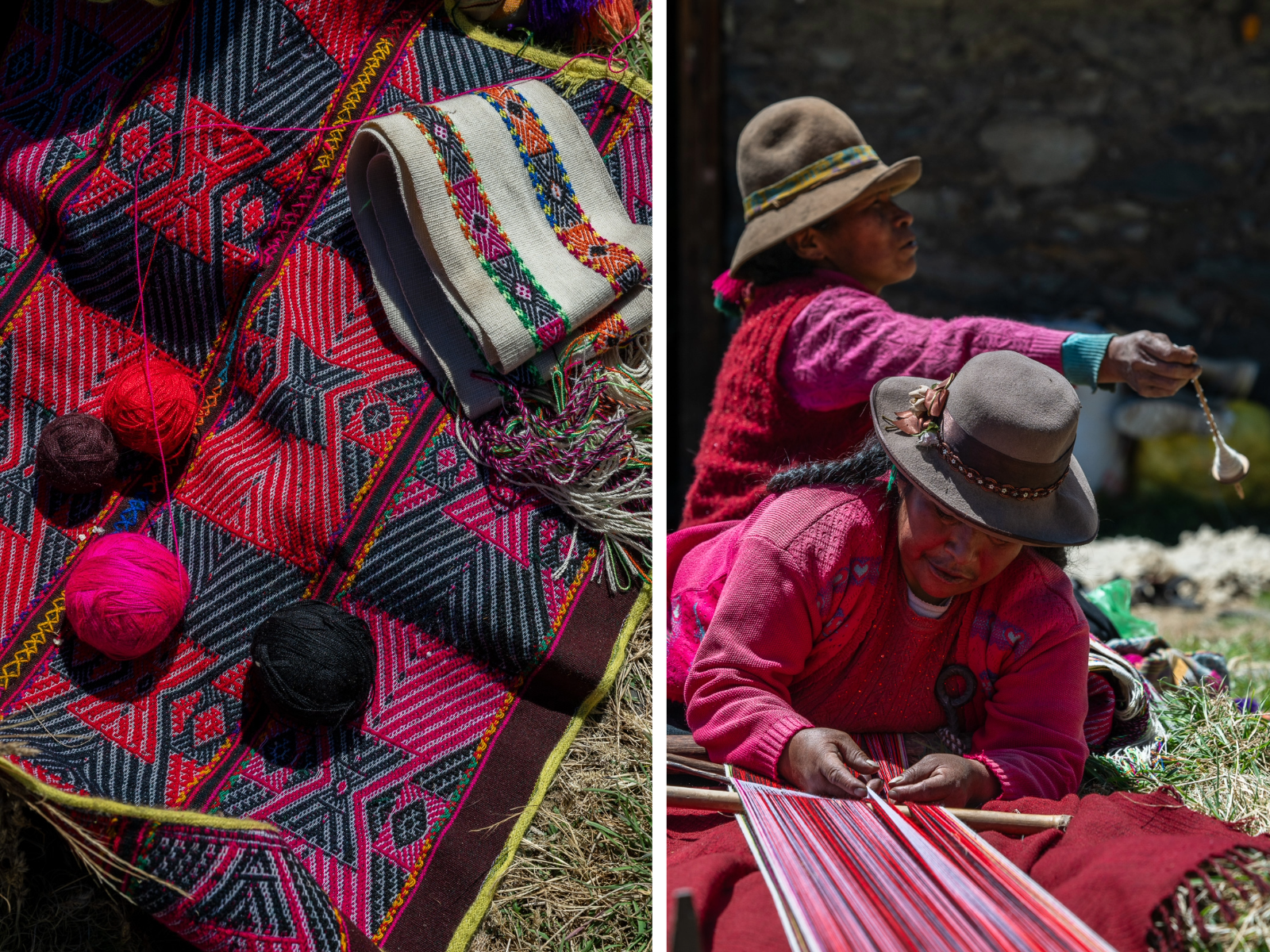
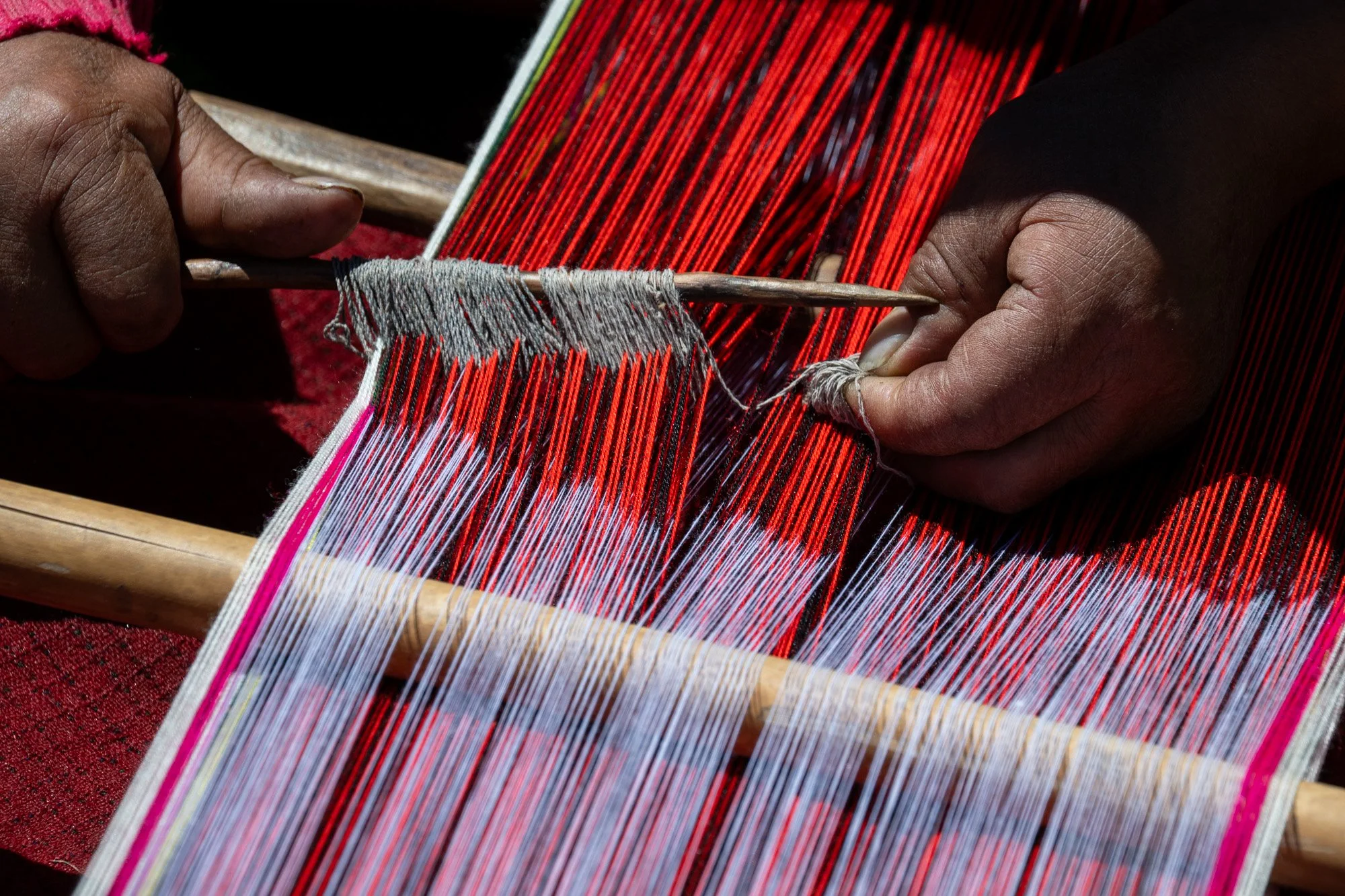
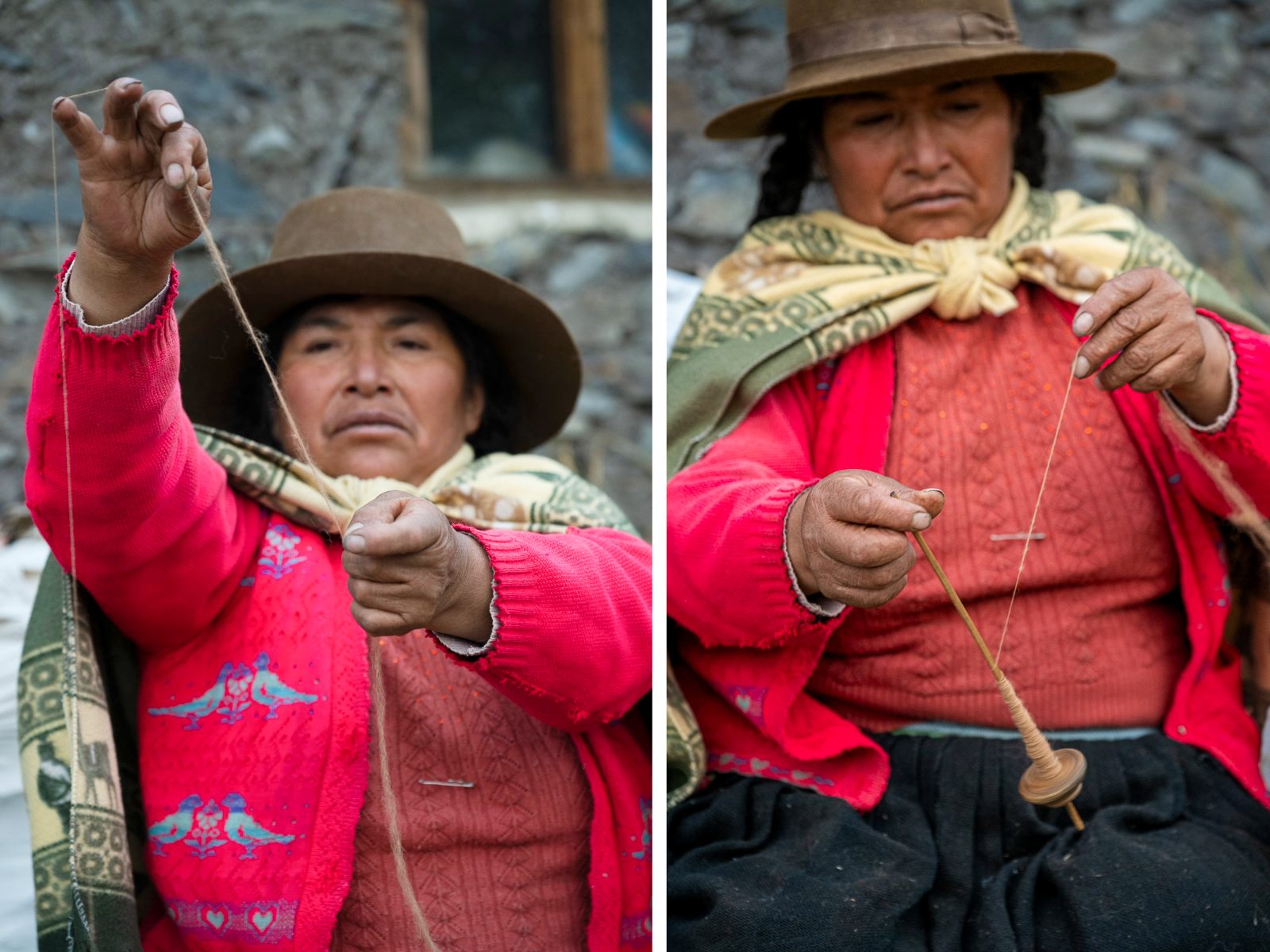
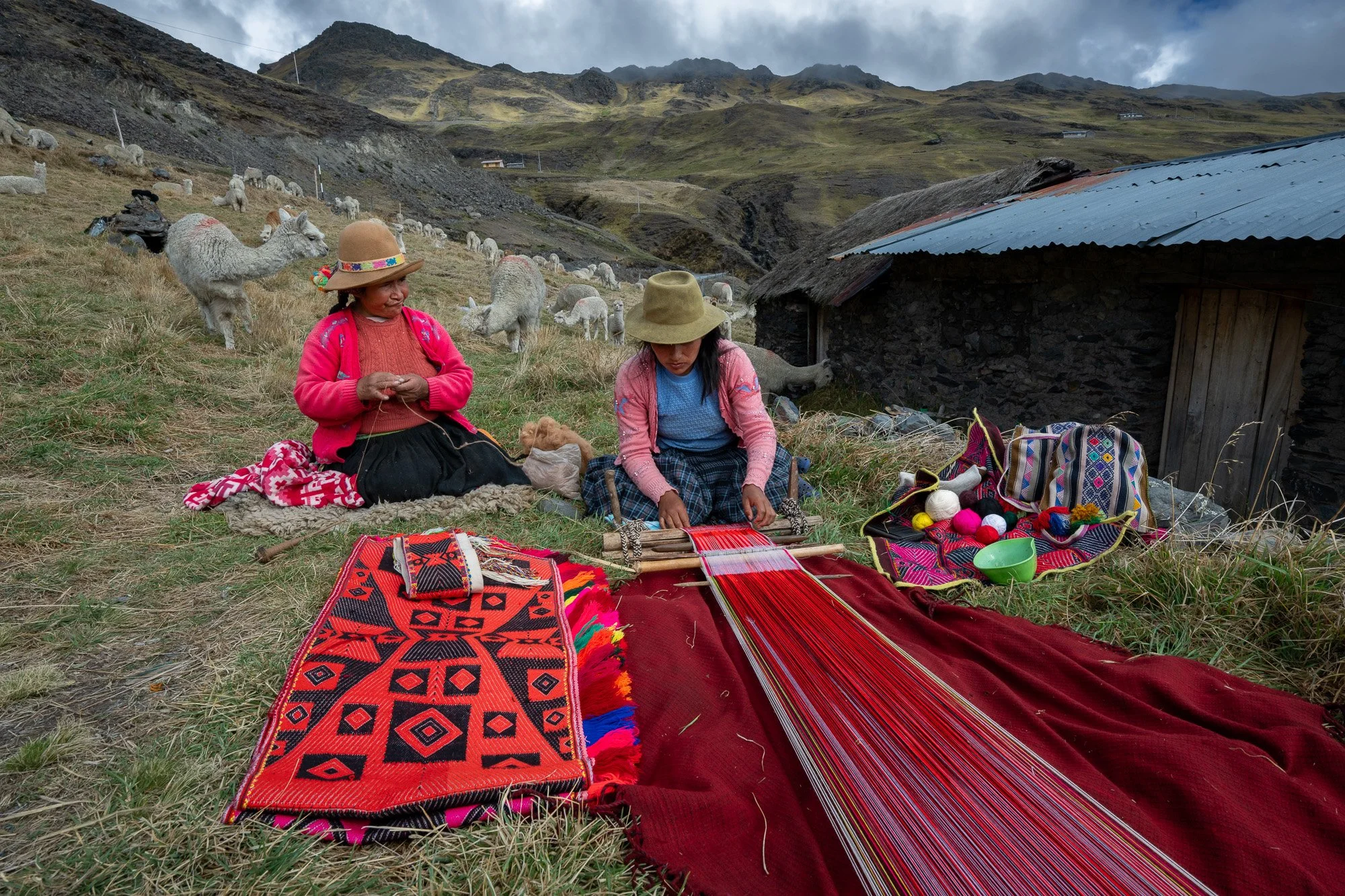
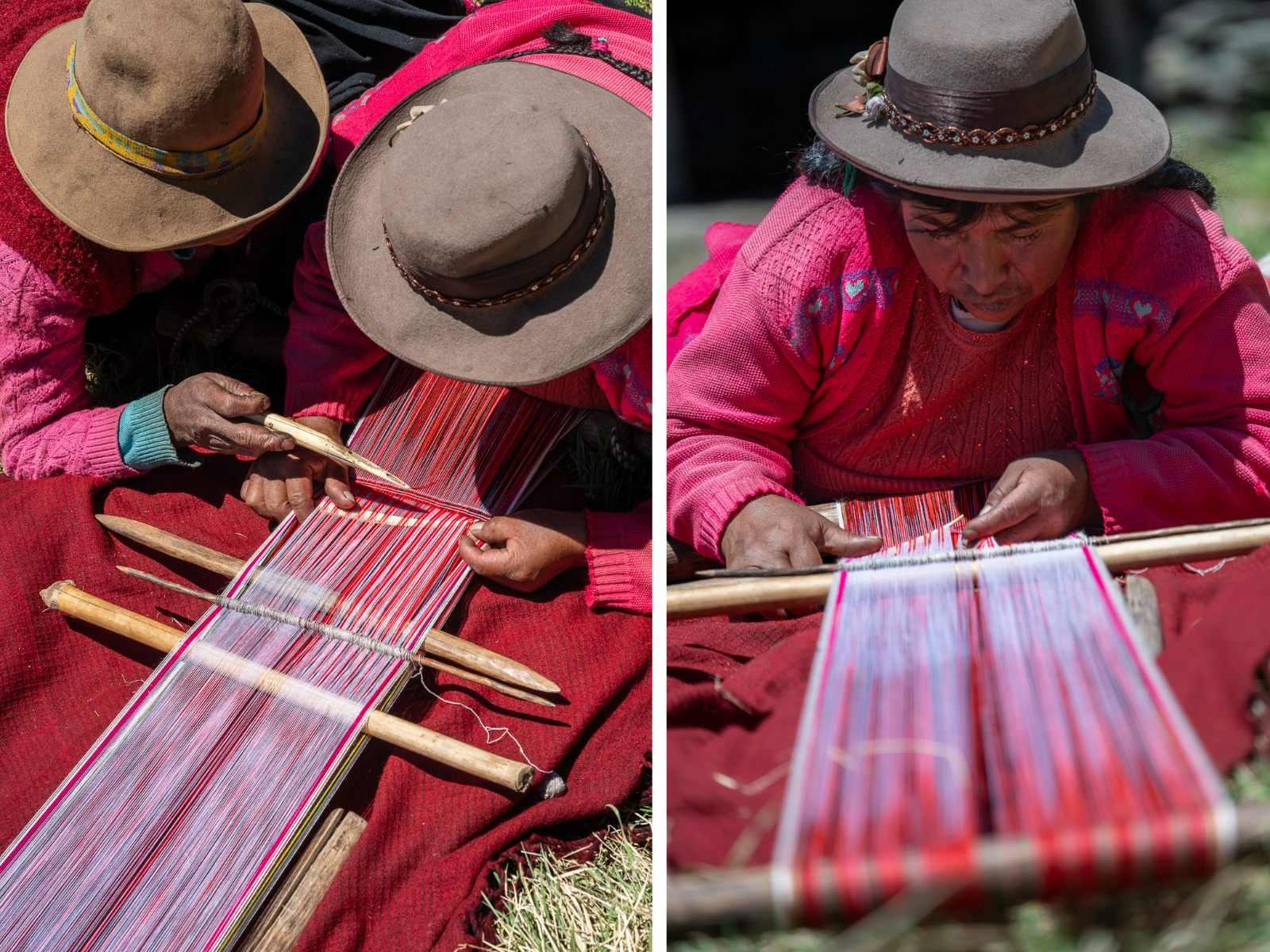
Although the family has a deep connection to Chua Chua and Q'eros, they spend much of their time in Saylla, near Cusco, because that is where the work is. Jose Luis is learning the ceremonies and ways from Antonio, but he says the opportunities are elsewhere, in mining, selling animals, or tourism, so it isn't a priority. It's a story that plays out across the Andes, as young people leave for the cities and the traditional ways slowly dilute.
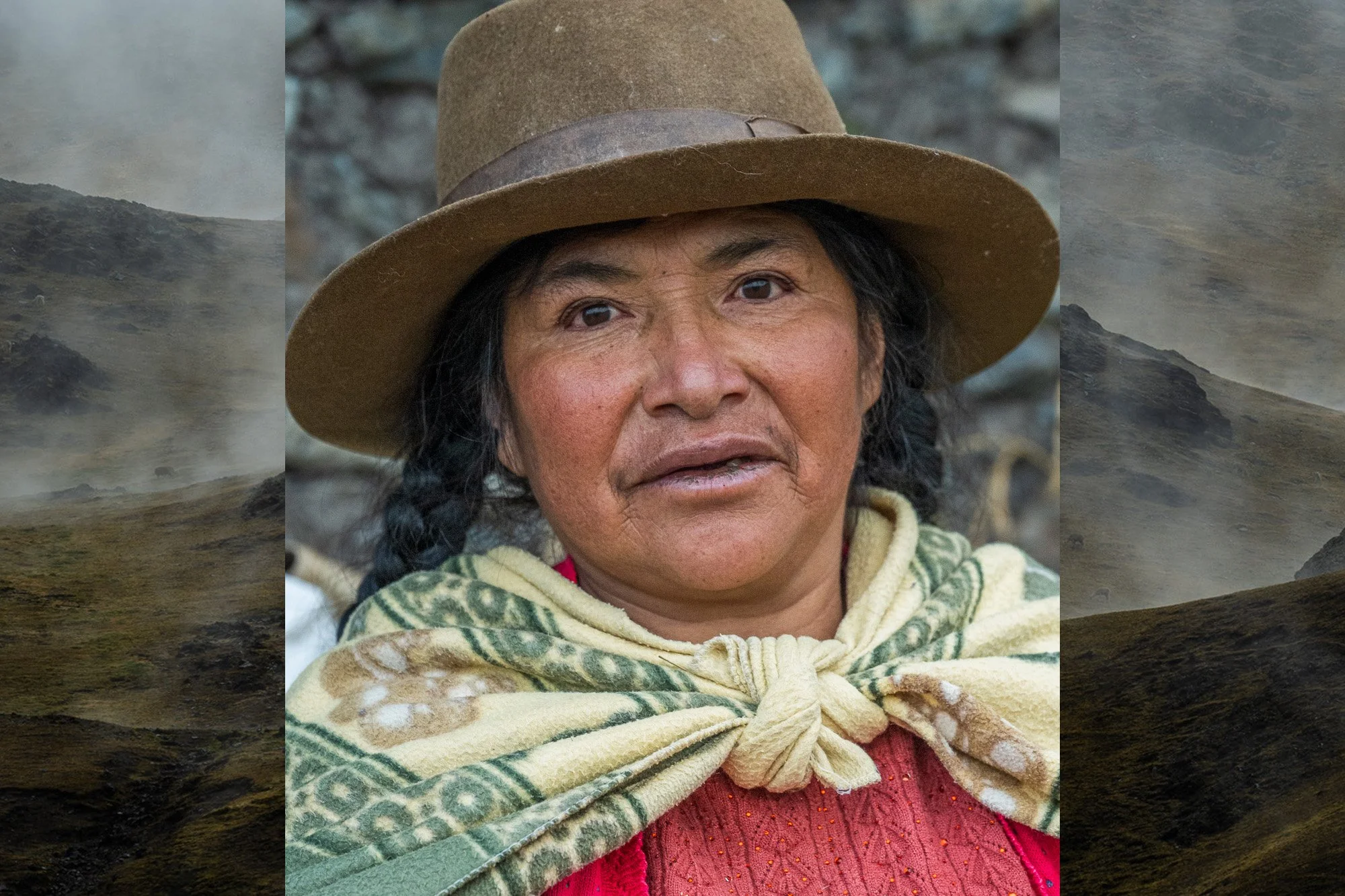
Felicitas
Then there's the pressure from outside. The people of Q'eros have refused the advances of mining companies so far, but the pressure is constant. When Antonio was community president in 2019 and 2020, representatives from a mining company tried to bribe him, offering to buy him a car and build him a house in another city if he would sign over the rights to the community's land. He refused, but another president might not. The nation of Q'eros has no official recognition as a district or province, so its ability to stop the advance is limited. Illegal mining occurs in the surrounding areas, and the neighbouring province of Paucartambo has now secured rights to a large mine just outside Q'eros' boundaries. The rugged terrain once protected the region, but the roads have steadily advanced, and the threats to the culture have followed.
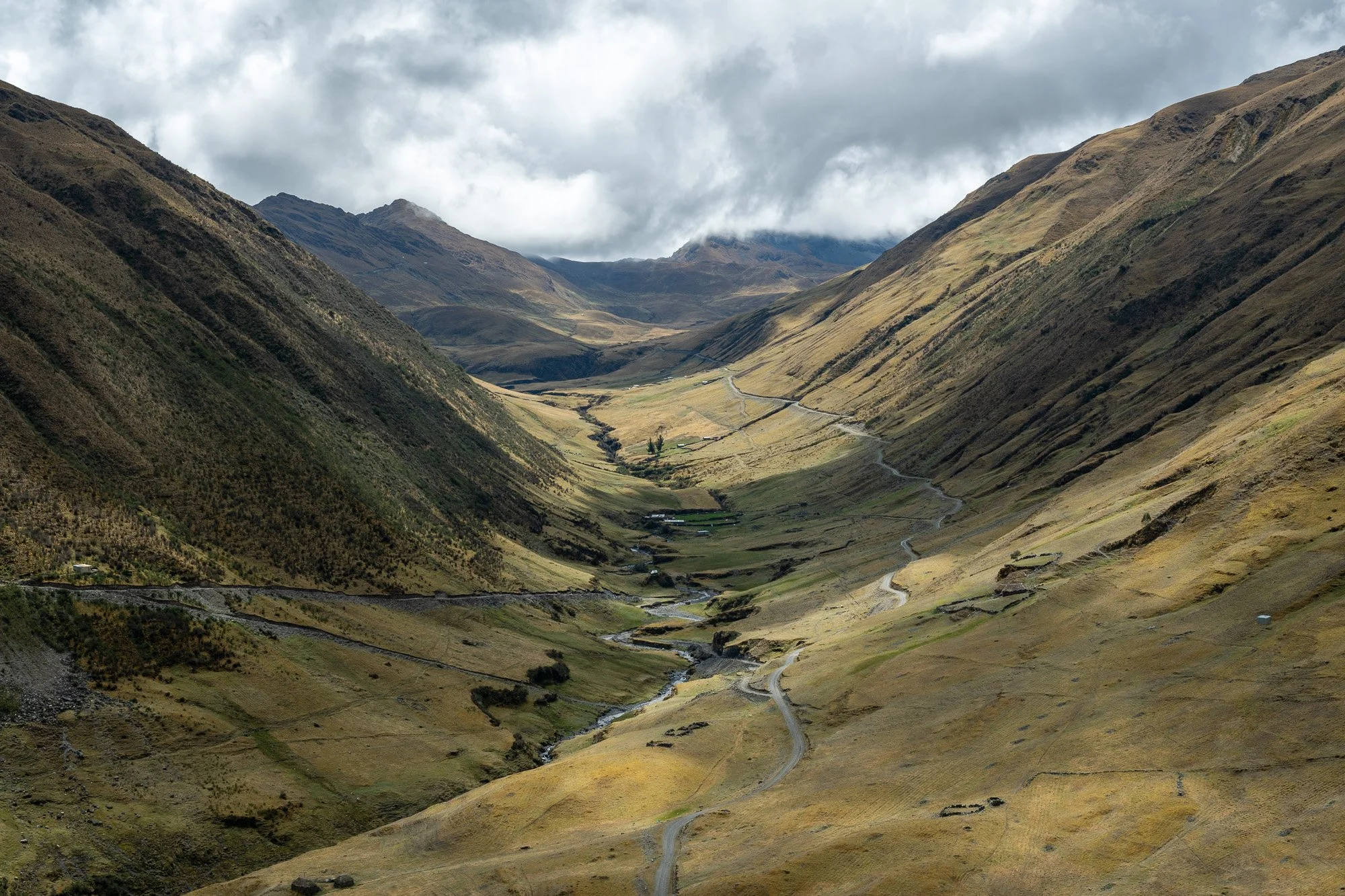
This valley outside the boundary of Q’eros will soon be developed as a mine.
Non-Catholic Christian missionaries, common across Peru, have arrived quickly too, hoping to persuade people to leave their traditional beliefs and way of life behind. I can't help but see them as part of the same wave of globalization and the capitalism that comes with it, reaching a place that has long held its own ways. Antonio worries that the communities of Q'eros and their culture will fall to the pressure.
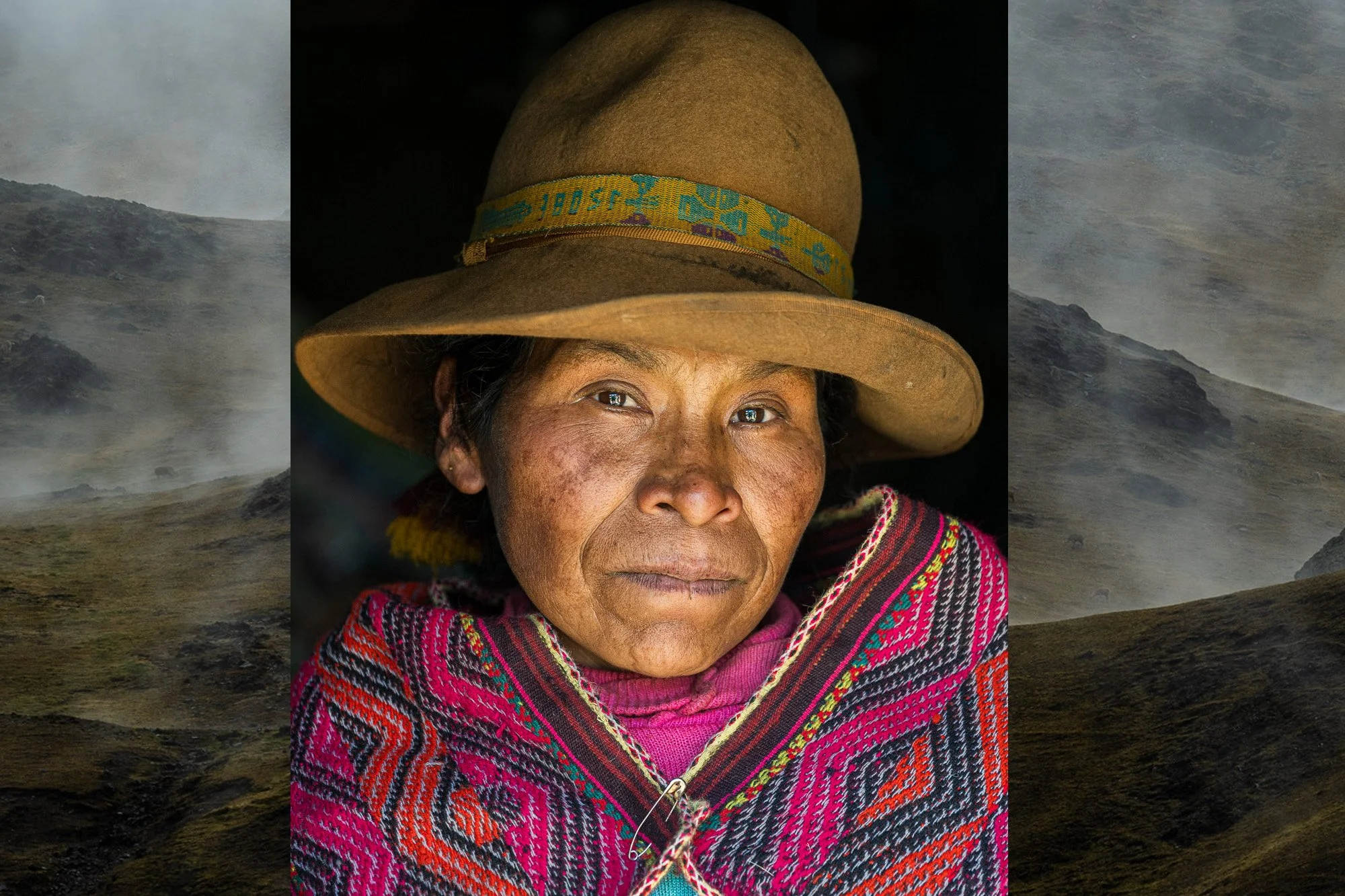
Felipa - Antonio’s cousin
On our final morning, we woke to a light dusting of snow across the community, and I went for one last walk in the cold morning light to make a few final photos and take it all in. Looking at the newly installed electrical lines, the new concrete homes that seemed out of place, and the crews in pickup trucks passing by, I wondered about the changes coming for the people and the culture, so quickly since the road arrived.
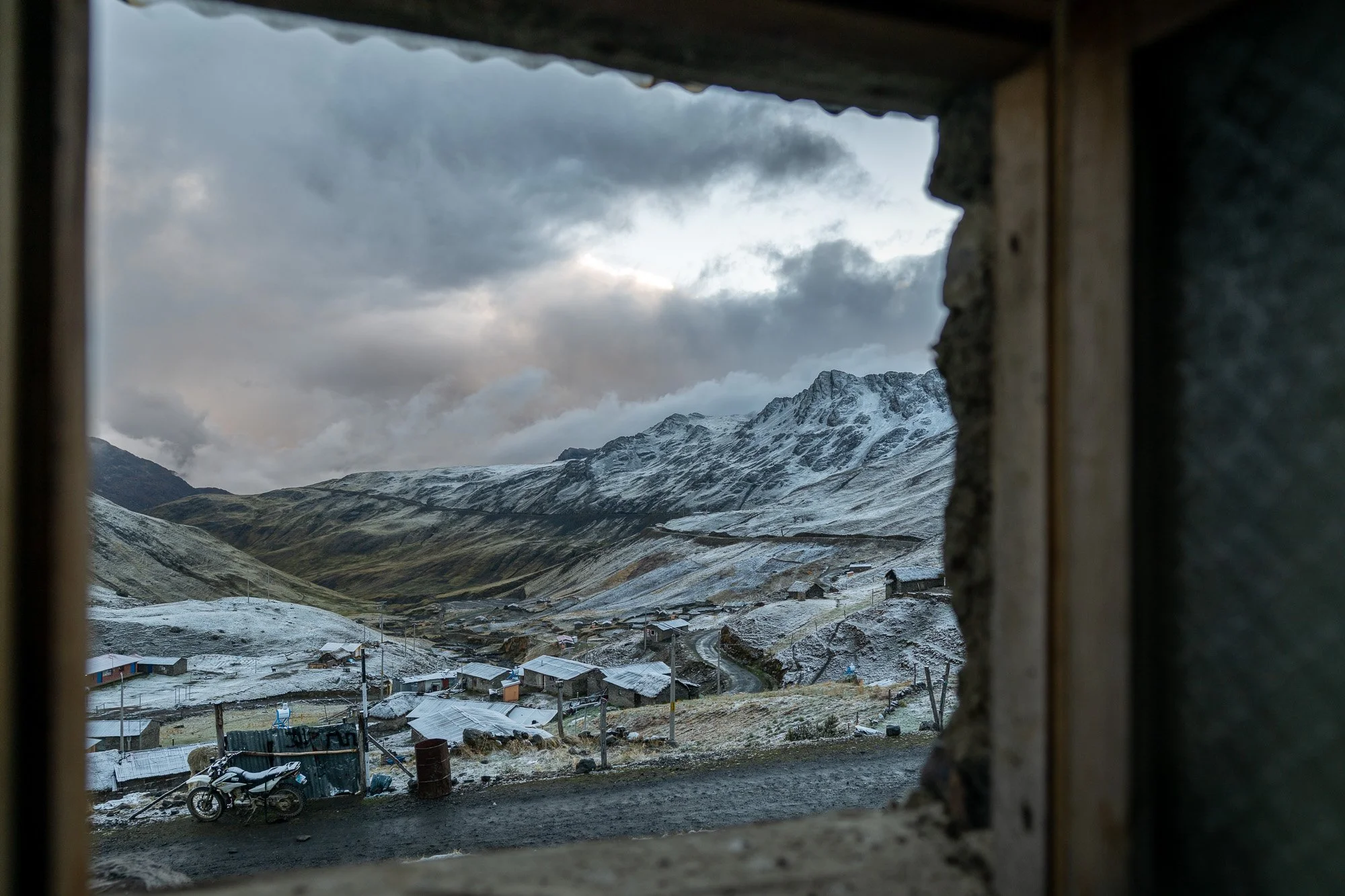
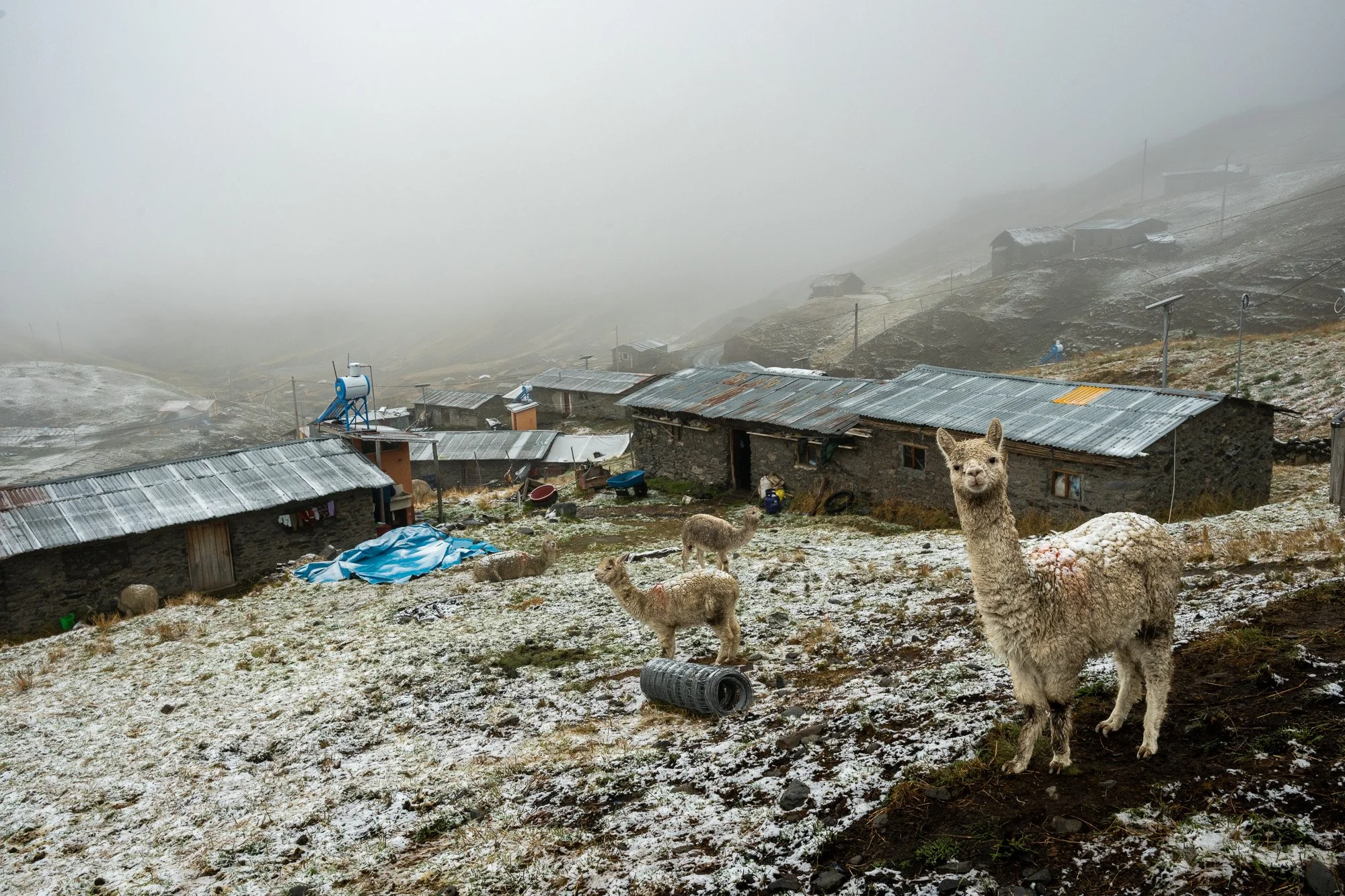
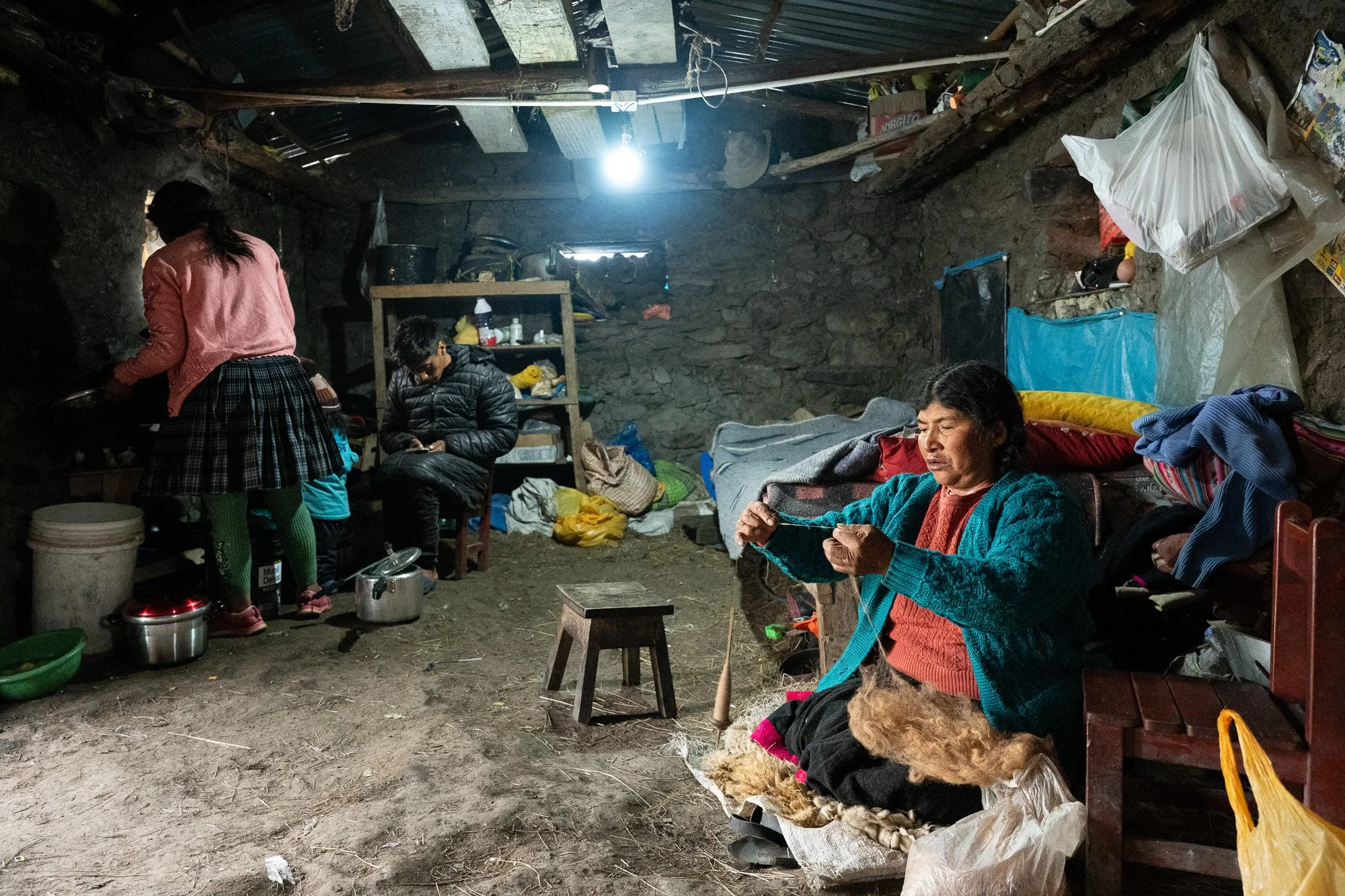
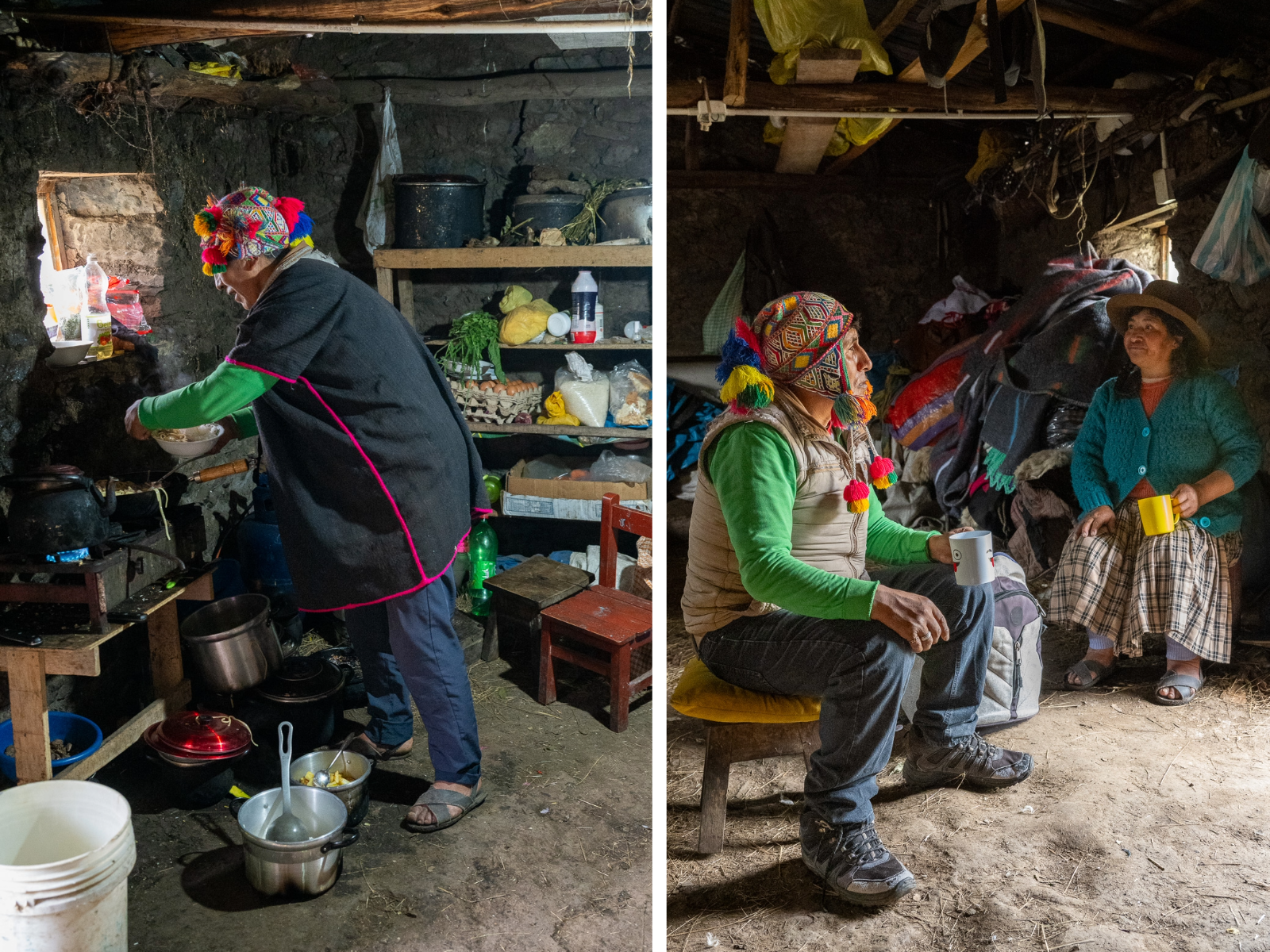
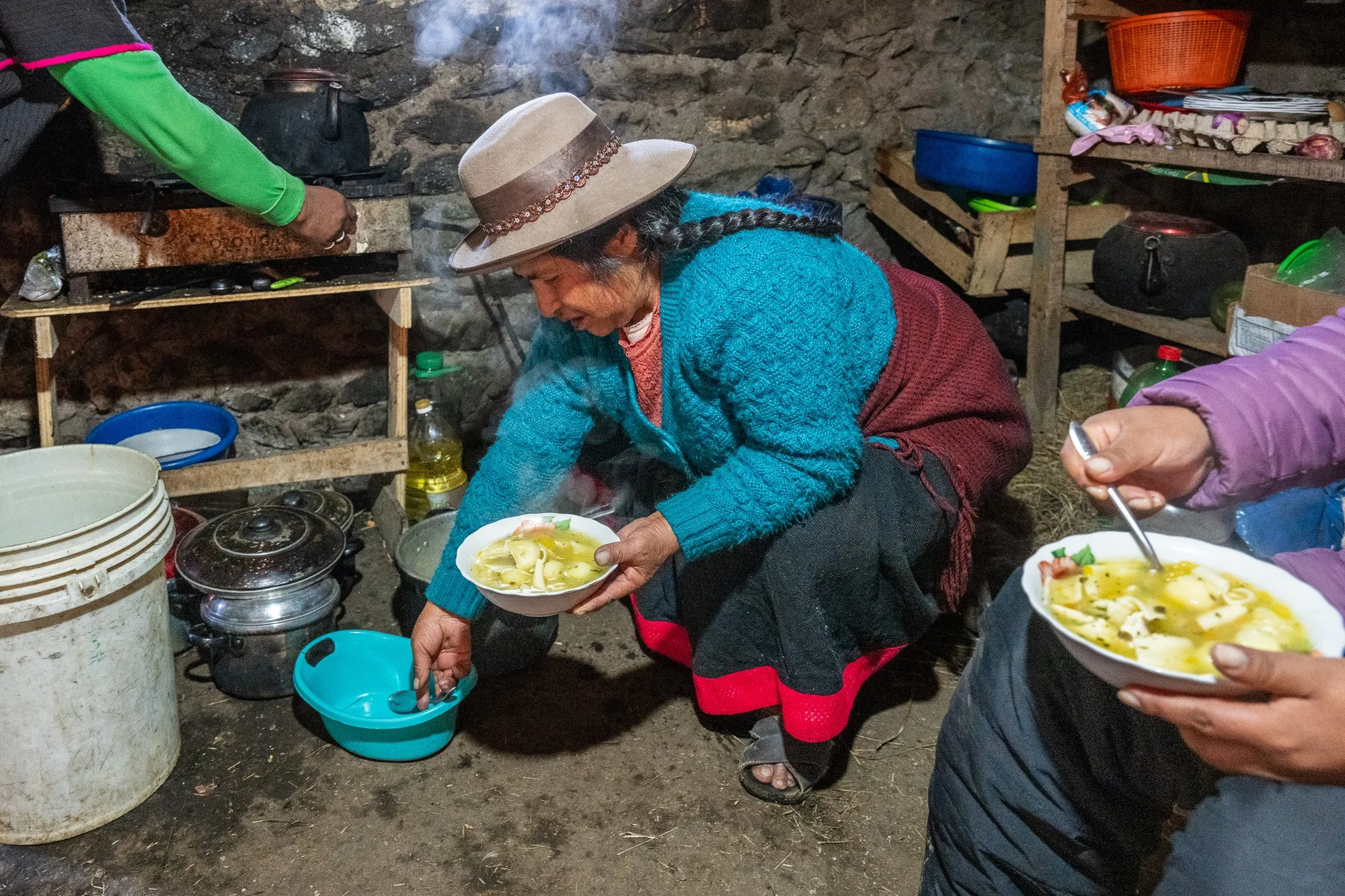
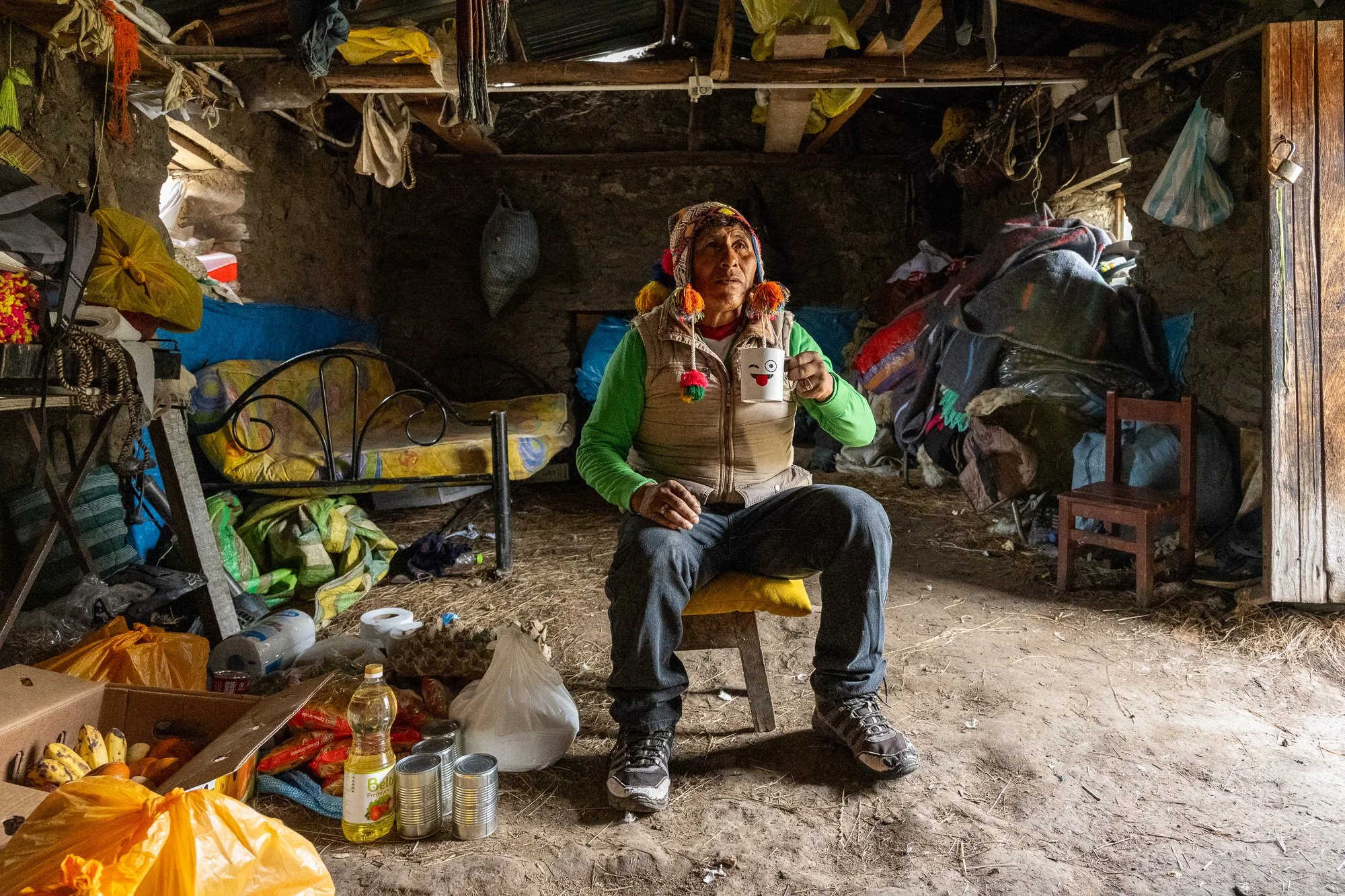
As the sun rose, the snow turned to rain and hail, so I joined the others inside. We drank coca tea and ate soup to stay warm and dry as the family shared ancient stories in Quechua, mostly about the condor. Yeymy did her best to translate, but I was mostly happy just to hear the stories in their native tongue. Lian played nearby as they shared the stories, and I wondered what the future holds for his young parents.
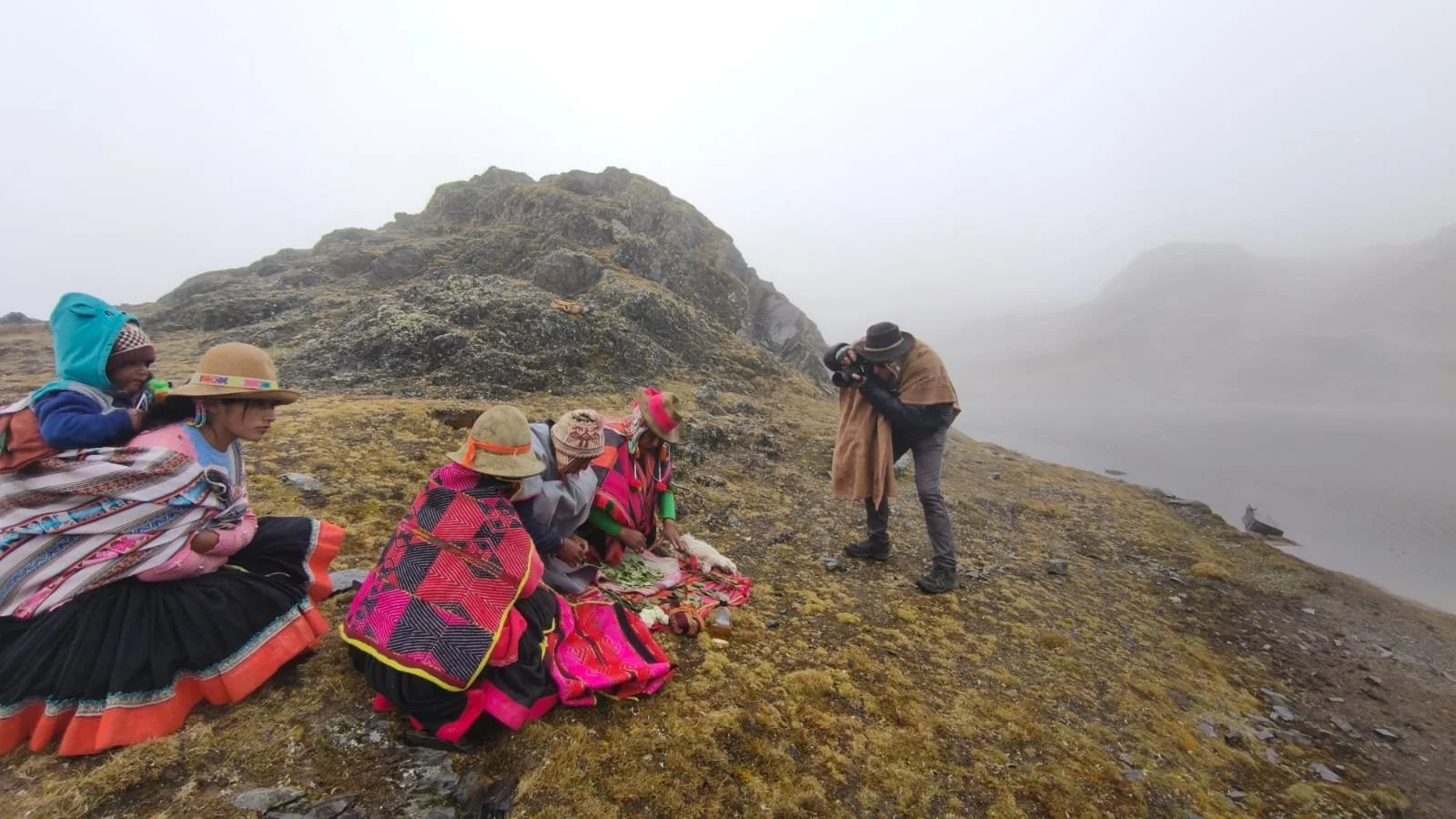
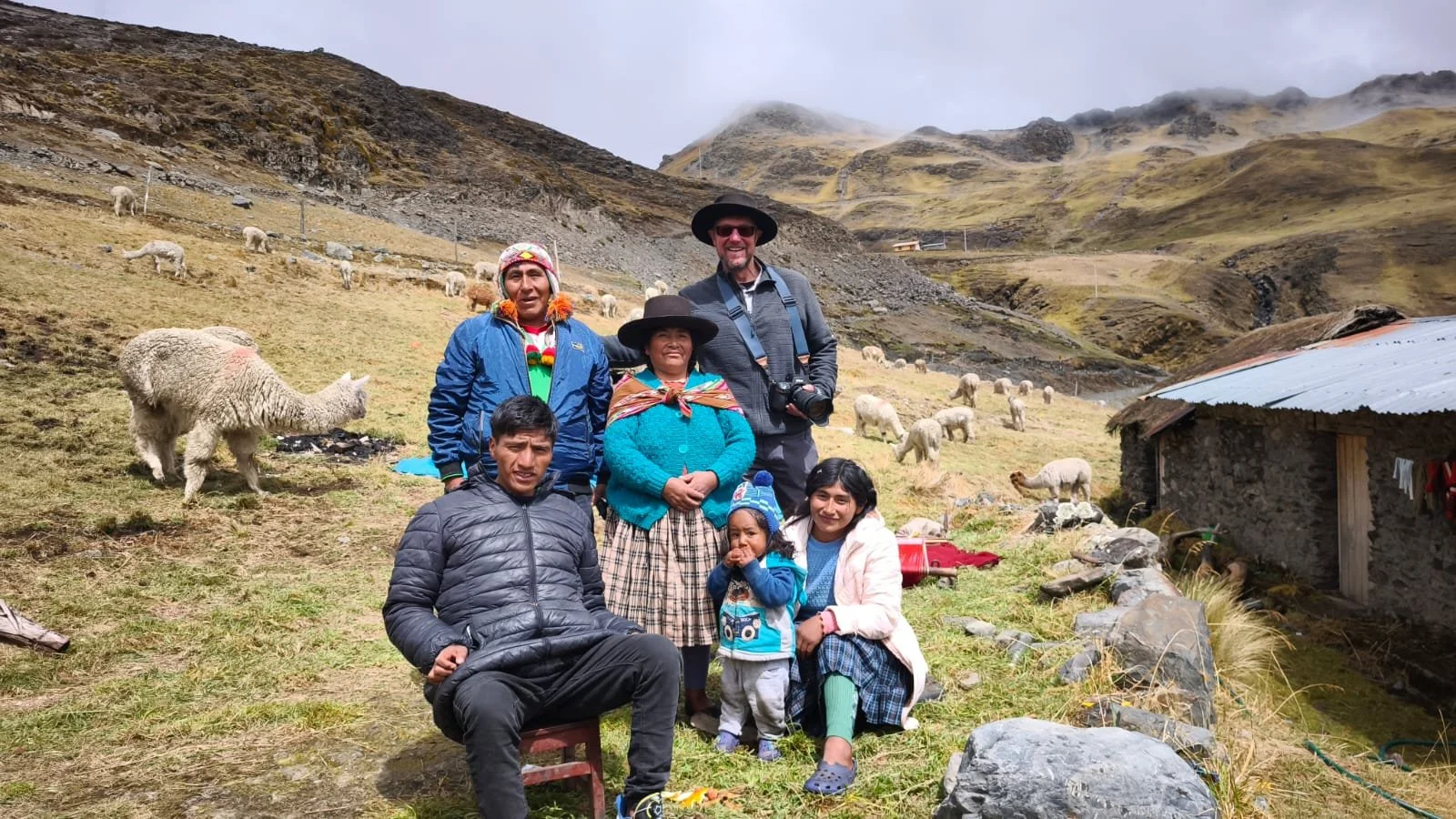
Photos by Yeymy Mamani
This is at the heart of my project: to share a view into Quechua culture and the efforts to preserve it amid rapid transformation. These are the stories I believe matter.
I would love to hear your thoughts and impressions on the topic and the photos. Leave a comment below!
With gratitude,
MB
PS - As I was finishing the writing and compiling the photos for this post, another powerful earthquake hit here in Cusco. It actually felt like an explosion. The power went out for a bit, but there doesn't seem to be any damage, so I'm coming out from under my desk now to finish posting this!